Understanding Your Child's Abdominal Pain: Causes, Treatments, and Reassurance
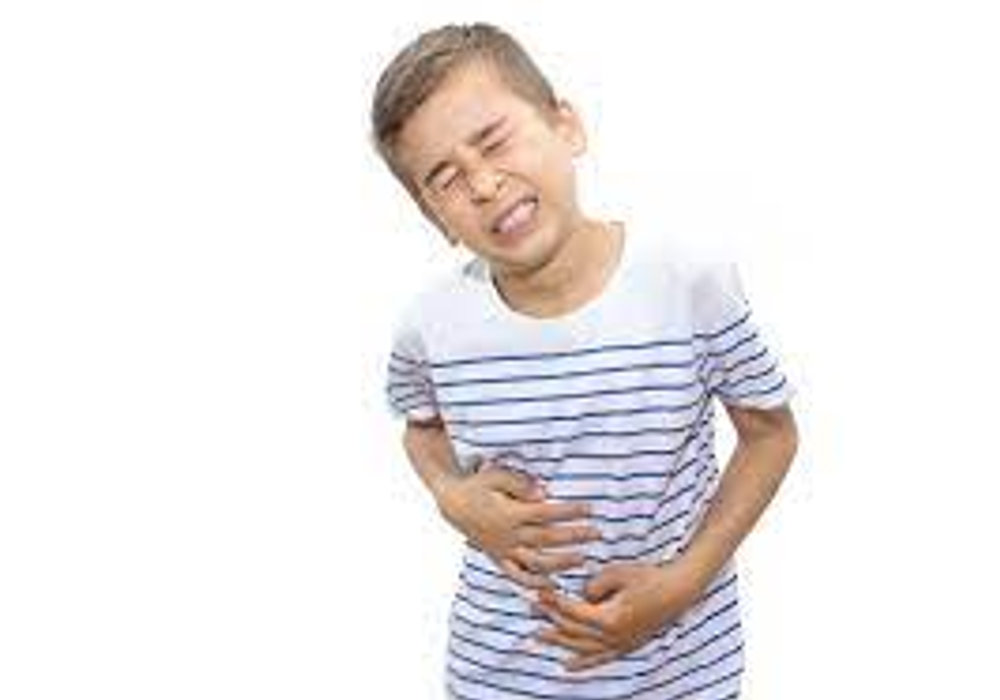
Abdominal pain is a common concern for parents, but it doesn't always indicate a serious problem. This guide explores various causes of abdominal pain in children, along with treatment options and tips for reassurance.
Types of Functional Abdominal Pain
- Functional Abdominal Pain: This is the most frequent type of abdominal pain in children. It occurs unpredictably and isn't linked to specific activities like eating or bowel movements. The pain might be around the navel and sometimes accompanied by non-digestive symptoms.
- Functional Dyspepsia: Children with functional dyspepsia experience upper abdominal pain for at least 8 weeks within a year. There's no sign of underlying disease, and the pain often occurs after eating. Antacids may provide relief. Bowel movements don't affect the pain, nor is it related to stool consistency changes. The main symptoms can include pain, nausea, bloating, or feeling full.
- Irritable Bowel Syndrome (IBS): Children with IBS experience pain for at least 8 weeks in a year, typically relieved by a bowel movement or accompanied by changes in stool frequency or form. They might experience straining, urgency, or incomplete bowel movements. Bloating, mucus in stool, and either diarrhea or constipation (or both) can also occur. No physical cause is found for the pain. Increasing fiber intake and reducing excess sugar might help manage IBS.
Warning Signs and When to See a Doctor
Most serious causes of abdominal pain have additional symptoms. Consult your doctor if your child experiences:
- Weight loss or stunted growth
- Vomiting
- Bloody diarrhea (not just blood on toilet paper or outside the stool)
- Decreased activity between pain episodes
- Blood in urine or pain while urinating
- Fever, rash, chills, joint pain/swelling, or severe prolonged diarrhea
- Family history of inflammatory bowel disease or celiac disease
Causes of Abdominal Pain in Children
Several factors can contribute to abdominal pain in children, including:
- Functional Abdominal Pain (as discussed earlier)
- Gastroesophageal Reflux (GERD or Heartburn): This is a common cause of abdominal pain in children. While ulcers are rare, children can experience painful esophageal or stomach inflammation, sometimes due to acid or infections. Symptoms might include:
- Pain in the center of the abdomen, just below the ribs or breastbone
- Nausea
- Vomiting
- Feeling full quickly
- Bloating
- Pain affected by eating
- Heartburn
- Nighttime pain
- Relief with antacids
- Bad breath
- Sugar Intake: Excessive sugar intake from juice, milk, sports drinks, flavored drinks, candy, and gum can cause cramping pain. Children don't always fully absorb these sugars, leading to fermentation by gut bacteria and gas production, which causes cramps. The pain might not be felt immediately after consuming sugary foods.
- Inflammation: Inflammation in the digestive tract can also cause pain. This is often accompanied by weight loss, tiredness, and low blood counts.
- Kidney/Liver/Pancreas Problems or Other Issues: Problems with the liver, gallbladder, pancreas, or kidneys can also cause pain. Lab tests can help with diagnosis. Additionally, kidney problems (blockages or other malformations) and infections can be culprits. Girls might experience abdominal pain during ovulation or menstruation. Ovarian cysts can also cause pain.
- Anxiety: Stress, depression, or general anxiety can manifest as abdominal pain in children.
Evaluation for Chronic Abdominal Pain
A thorough medical history and physical exam will be conducted first. Based on the findings, your child's doctor will determine if further testing is necessary. Most children won't require extensive testing.
Here are some potential evaluations:
- Growth Chart: Growth problems can indicate underlying medical issues. Tracking your child's height and weight is crucial for evaluation.
- Activity Level: It's important for the doctor to understand if your child can maintain normal activity levels between pain episodes.
Tests that Might Be Performed:
Lab Tests:
- CBC (Complete Blood Count): This helps identify bleeding or inflammation that might hinder iron absorption.
- ESR (Erythrocyte Sedimentation Rate) or CRP (C-reactive Protein): These tests check for inflammation anywhere in the body, but they are not specific to the digestive tract.
- Kidney and Urine Tests: Blood tests (BUN, Cr) and urine tests (urinalysis and urine calcium levels) assess kidney function, blood in the urine, and potential kidney stones.
- Amylase, Lipase: These tests check for pancreatic inflammation.
- Stool alpha-1-antitrypsin, albumin: These tests look for protein loss due to an inflamed GI tract.
- Stool Guaiac - To look for bleeding.
- Stool O & P - Looks for parasites such as Giardia
- C13 Breath Test - Looks for Helicobacter Pylori Infection (a cause of ulcer and inflammation in the stomach)
Imaging Tests:
While upper GI series isn't ideal for children with chronic pain, ultrasounds offer a safe way to visualize the abdomen and organs like kidneys, liver, and pancreas. CT scans might be used in specific situations to investigate masses or inflammation.
Addressing the Pain
Even when tests are normal, there are ways to help your child feel better:
- Reassurance: Knowing there's no serious illness can be very calming for children. Relaxation techniques, similar to those used for headaches, can help them cope with pain episodes.
- Dietary Changes: Simple sugars in sugary drinks and candy can ferment in the gut, causing gas and cramps. A short trial of eliminating fructose and sorbitol, followed by a dairy-free trial, might reveal sensitivities. Limiting caffeine and carbonated drinks can also be helpful. Increasing fiber intake gradually, following the age-plus-five rule (grams of fiber per day), might be beneficial.
- Medications: Depending on the type of pain, medications can offer relief:
- Antispasmodics (Cyclopam, Drotin, Buscopan) help relax gut muscles.
- Acid reducers (Rantac, Somzox, Pantocid, Nexium) can be used if reflux is suspected.
- Pain-fiber modulators (Elavil, Periactin, Neurontin) can make pain signals less bothersome.
When to See a Doctor Again
It's important to consult your doctor if symptoms worsen, weight loss occurs, or there are signs of serious illness like:
- Abnormal growth patterns
- Vomiting
- Bloody diarrhea
- Decreased activity between pain episodes
- Blood in urine or pain with urination
- Fever, rash, chills, joint pain/swelling, or severe prolonged diarrhea
- Family history of inflammatory bowel disease (IBD)
Living with Chronic Abdominal Pain
Chronic abdominal pain often comes and goes. Viral illnesses or emotional stressors can worsen symptoms. Reassurance and open communication about the tests' results can help children manage anxiety and ignore discomfort.
School Attendance
Unless a child has a fever or is vomiting, school attendance is encouraged. Missing school can increase anxiety about returning and potentially worsen pain. Most schools can accommodate a child's need to rest during severe pain episodes.
Talking to Your Child
Here's a simple explanation you can adapt for younger children:
"Imagine your tummy is like a long balloon. Normally, food moves through it smoothly. But sometimes, the muscles might squeeze too hard, stretching the middle part and causing cramps. This can happen when you're stressed or excited. We're trying to help your tummy relax by reducing sugary drinks and candy, and teaching you relaxation techniques. Medicine can also help make the cramps feel less intense."
By understanding the evaluation process, treatment options, and ways to manage anxiety, you can better support your child through chronic abdominal pain.