A healthy digestive system is crucial for a child's overall well-being. But sometimes, things can get blocked up, causing a condition known as intestinal obstruction. This can be a scary situation for parents, but understanding the signs and when surgery might be necessary can help you navigate this challenging time.

What is a Bowel Blockage (Intestinal Obstruction) in Children?
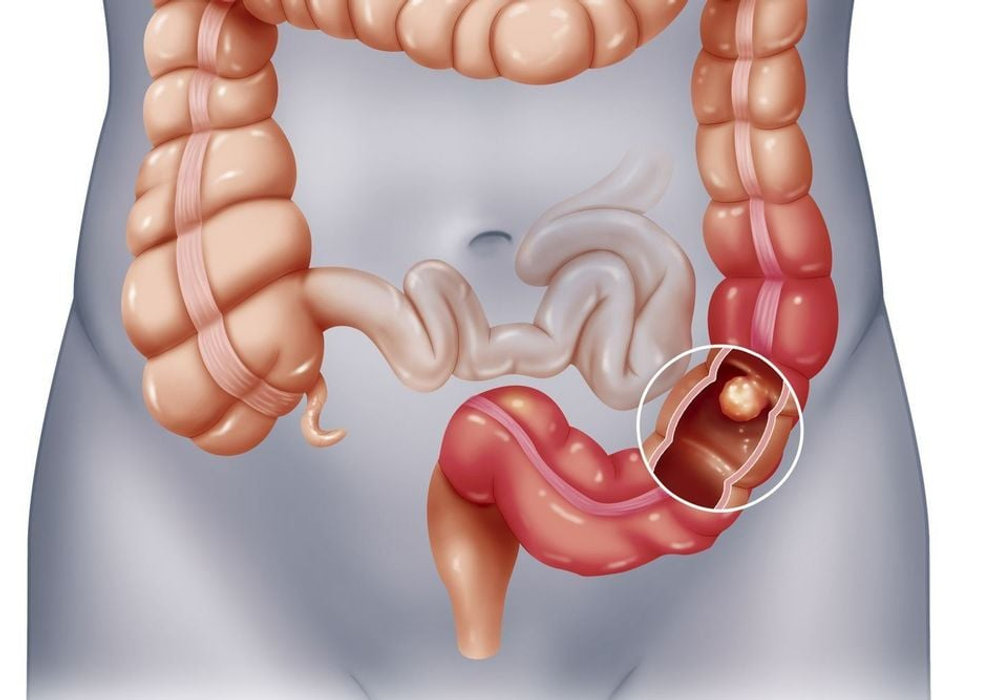
A bowel blockage occurs when there's a complete or partial obstruction in the intestines, preventing the normal flow of food and waste products. This can happen anywhere along the digestive tract, from the small intestine to the large intestine (colon).
Causes of Bowel Blockages in Children:
There are various reasons why a child might experience a bowel blockage. Here's a breakdown of the most common causes:
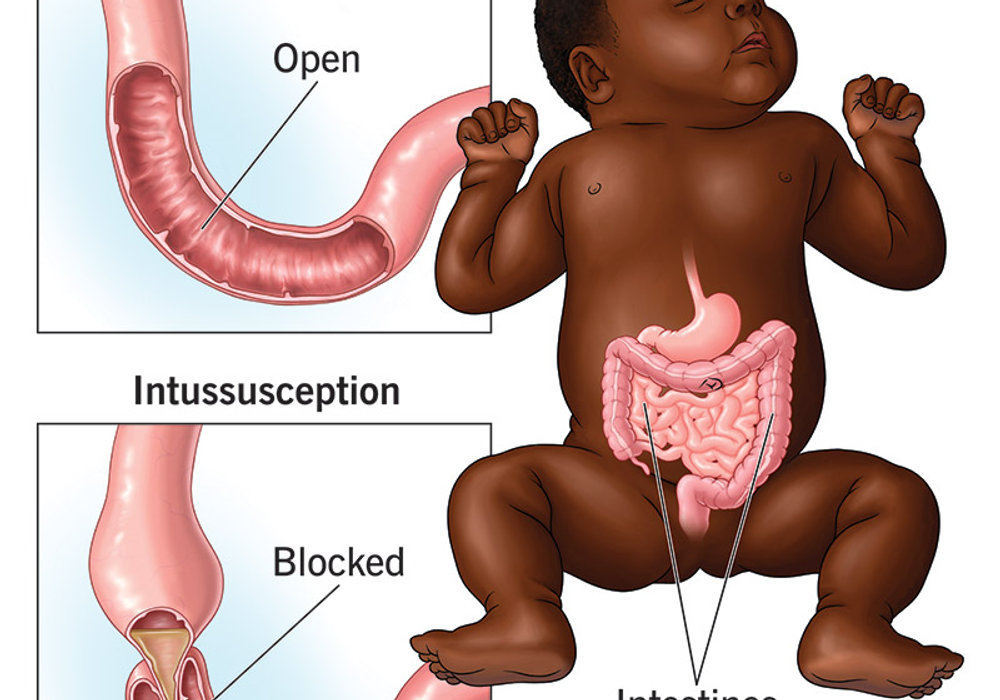
- Intussusception: This is the most frequent cause of intestinal obstruction in infants aged 3 months to 6 years. It occurs when a part of the intestine slides into the adjacent section, like a telescope.
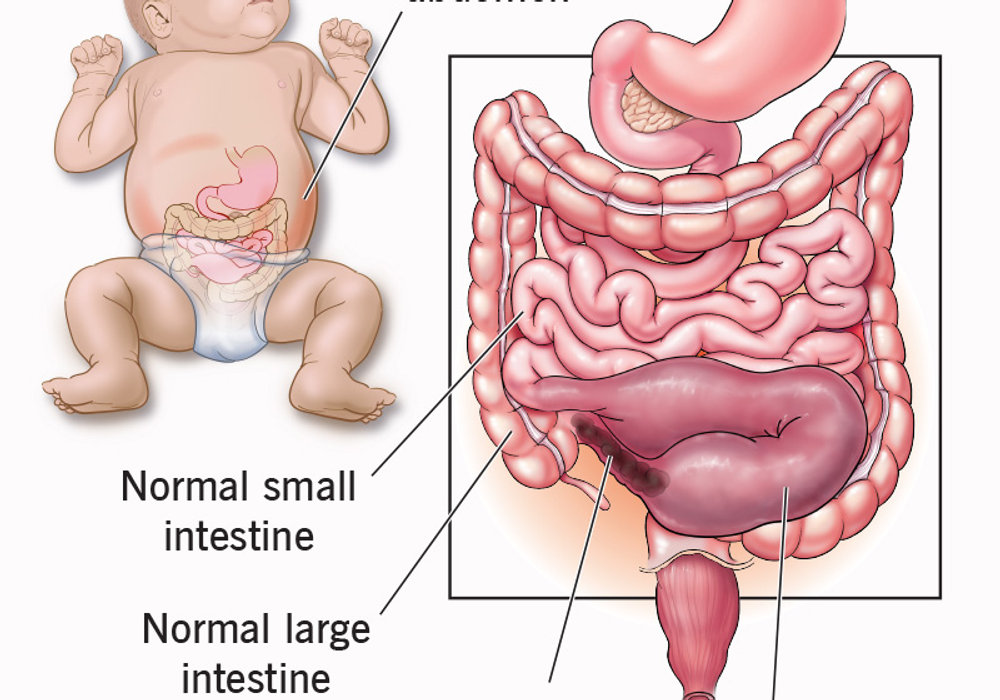
- Meconium Ileus: This affects newborns and is caused by a thick, sticky blockage of fecal matter (meconium) in the intestines.
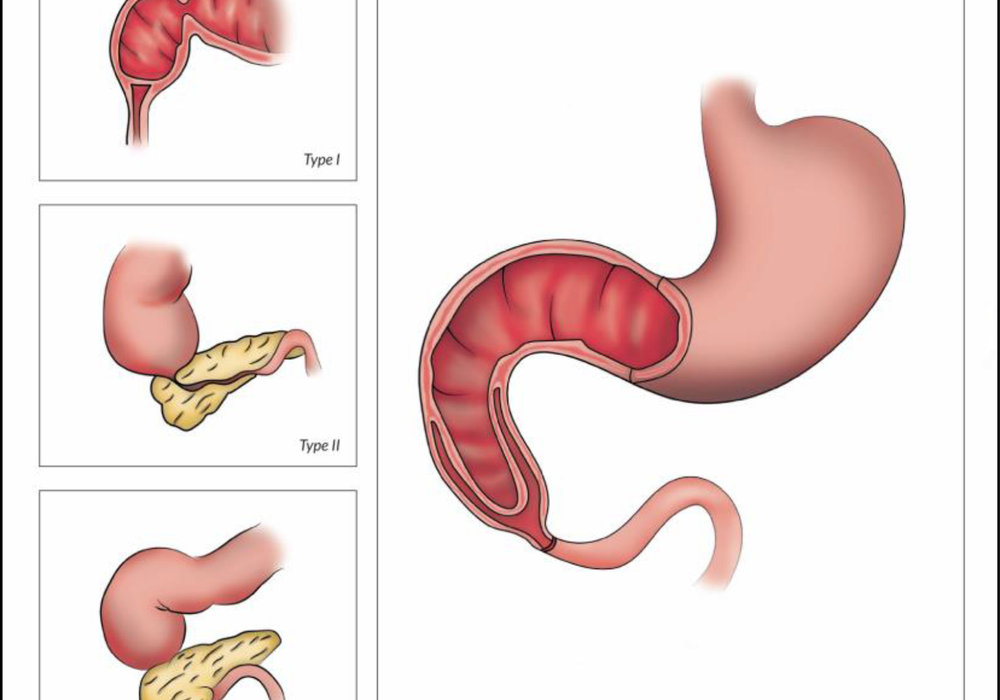
- Atresia/Stenosis: In these cases, the intestine itself has not formed correctly. Atresia refers to a complete blockage, while stenosis is a narrowing of the intestinal passage.
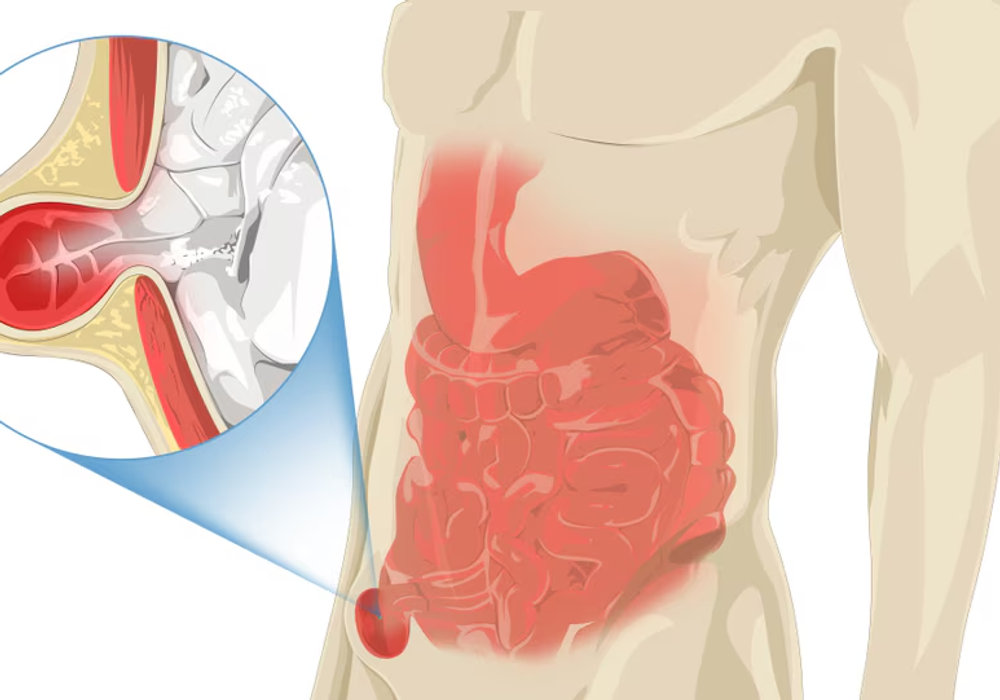
- Hernias: When an organ pushes through a weak spot in the abdominal muscles, it can cause an obstruction.
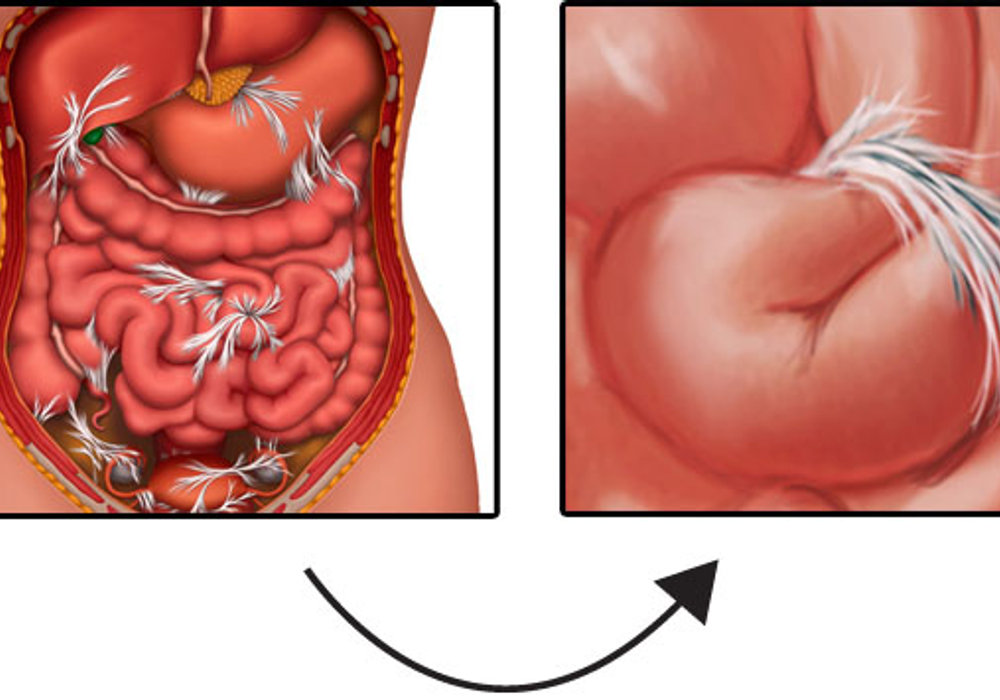
- Internal Adhesions: Scar tissue from previous abdominal surgeries can sometimes create bands that obstruct the intestines.
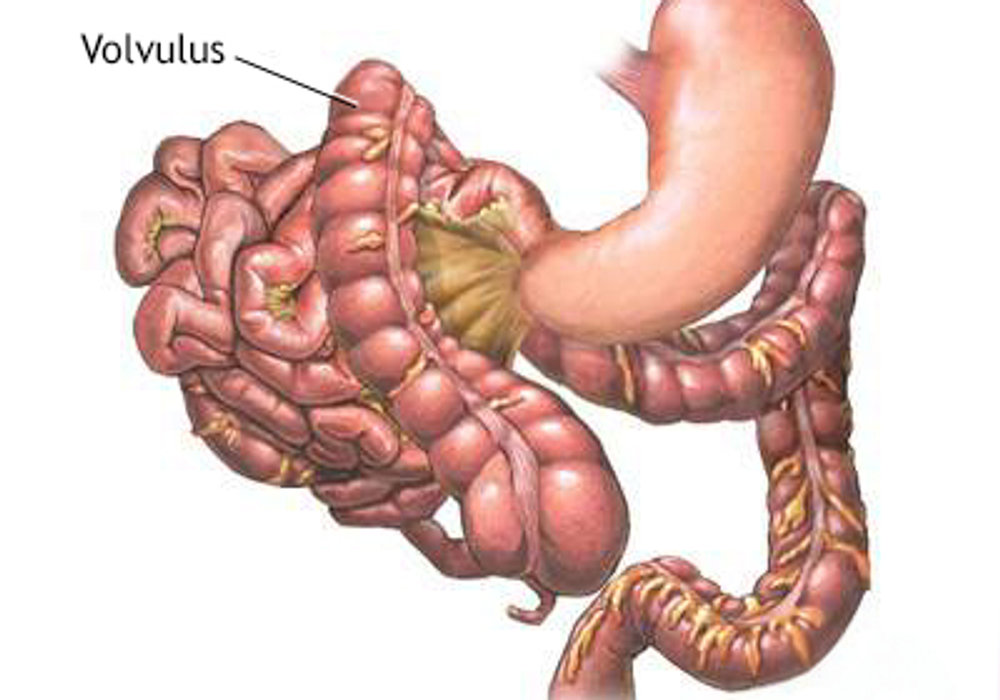
- Volvulus: This is a twisting of the intestine, which cuts off blood flow and causes a blockage.
- Foreign Body Ingestion: Young children are curious and might swallow objects that can become lodged in the intestines.
Symptoms of Bowel Blockage in Children:
The symptoms of a bowel blockage can vary depending on the child's age and the location of the blockage. However, some common warning signs to look out for include:
- Persistent vomiting (may be green or bilious)
- Abdominal pain and cramping
- Distended abdomen
- Constipation or diarrhea
- Blood in the stool
- Inability to pass gas
- Lethargy and fussiness in infants
Diagnosing Bowel Blockages:
If you suspect your child has a bowel blockage, it's crucial to seek immediate medical attention. A pediatrician will conduct a physical examination and might order diagnostic tests such as:
- X-rays or abdominal ultrasound
- Barium X-ray (to visualize the intestines)
- Contrast enema (using a special dye to examine the colon)
Treatment Options for Bowel Blockages:
The treatment for a bowel blockage depends on the severity and the underlying cause. In some cases, a bowel rest and intravenous fluids might be enough to resolve the blockage. However, in most cases, surgery is necessary to remove the obstruction and restore normal function to the intestines.
Types of Pediatric Intestinal Surgery for Bowel Blockages:
- Laparoscopic Surgery: Minimally invasive surgery using small incisions and specialized instruments.
- Open Surgery: Traditional surgery requiring a larger incision to access the blocked area.
- Resection: Removal of the affected portion of the intestine, followed by reconnection of the healthy sections.
- Anastomosis: Creation of a new connection between two sections of the intestine.
Recovery after Pediatric Intestinal Surgery:
The recovery time after bowel blockage surgery varies depending on the complexity of the procedure. Typically, children will need to stay in the hospital for a few days and might require a feeding tube initially.
Long-Term Follow-Up:
Following surgery, your child will need regular follow-up appointments with their pediatrician or pediatric surgeon to monitor their recovery and address any potential complications.
When to Call the Doctor:
If your child experiences any of the symptoms mentioned above, particularly persistent vomiting, abdominal pain, or a distended abdomen, seek immediate medical attention. Early diagnosis and treatment are essential for preventing serious complications from bowel blockages.
Remember: This blog post is for informational purposes only and should not be a substitute for professional medical advice. Always consult with your child's pediatrician or pediatric surgeon for diagnosis and treatment plans related to bowel blockages.