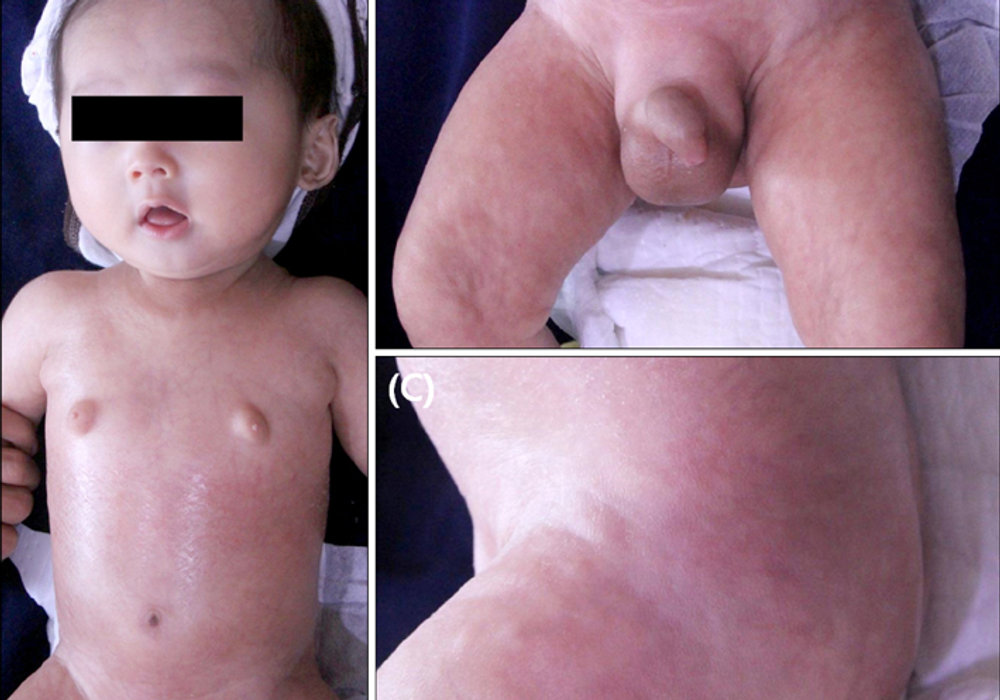
Horseshoe Kidney (Renal Fusion) in Children: A Comprehensive Guide
This article provides a detailed overview of horseshoe kidney, a congenital condition affecting children's urinary systems.
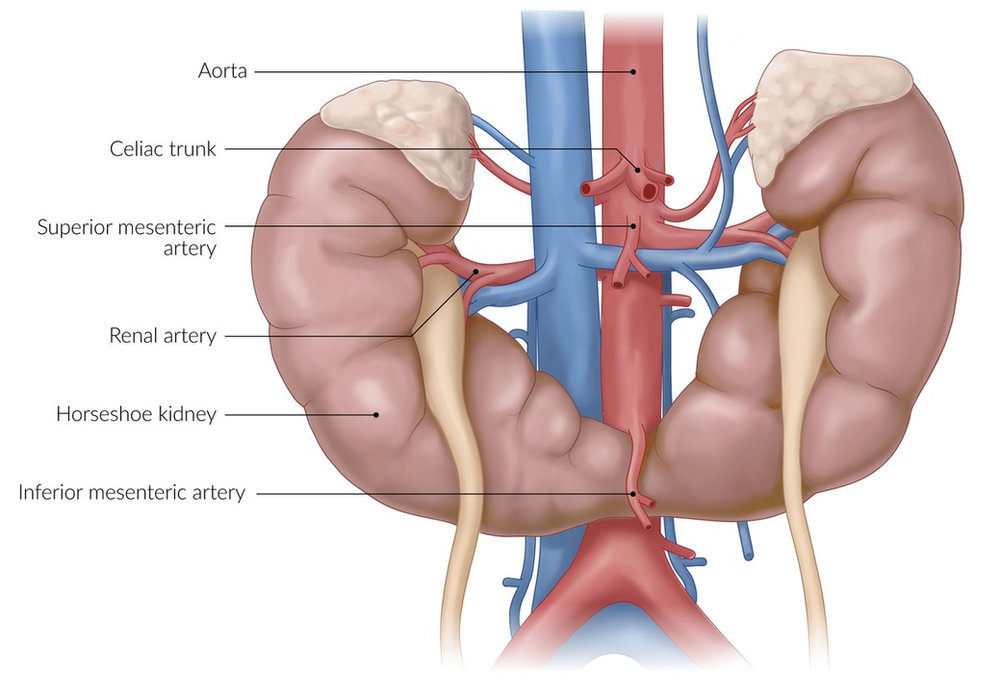
What is Horseshoe Kidney?
Horseshoe kidney, also known as renal fusion, is a malformation where the two kidneys abnormally join at the lower poles, resembling a horseshoe shape. This occurs during fetal development as the kidneys ascend to their permanent position in the abdomen. While horseshoe kidney can occur in isolation, it may sometimes co-exist with other genetic disorders like Turner syndrome and Edward syndrome.
Causes and Risk Factors
The exact cause of horseshoe kidney remains unclear. However, researchers suspect chromosomal abnormalities might play a role. Boys are statistically more likely to be affected than girls.
Symptoms and Complications
Many children with horseshoe kidney experience no symptoms, and the condition is often discovered incidentally during imaging tests for other reasons. However, some children may present with:
- Nausea or abdominal pain
- Urinary tract infections (UTIs) with symptoms like fever, foul-smelling urine, frequent urination, or pain during urination
- Kidney stones, causing pain and potential blockage of the urinary tract
Horseshoe kidney can increase the risk of certain complications, including:
- Hydronephrosis: Swelling of the kidneys due to urine backup caused by blockage.
- Wilms tumor: A type of childhood kidney cancer.
- Kidney cancer: Uncontrolled growth of abnormal cells within the kidney.
- Congenital heart defects: Conditions present at birth affecting the heart structure or function.
- Scoliosis: Abnormal curvature of the spine.
- Undescended testes: In males, when one or both testicles fail to descend into the scrotum from the abdomen.
Diagnosis
Diagnosis of horseshoe kidney typically involves a combination of:
- Medical history and physical examination: Discussing symptoms and family history followed by a physical exam by the healthcare provider.
- Imaging tests:
- Renal ultrasound: Uses sound waves to create images of the kidneys, revealing size, shape, and potential abnormalities.
- Micturating cystourethrogram (MCUG): X-ray examination of the urinary tract using a contrast dye injected into the bladder to visualize any blockages or reflux (urine backflow).
- Intravenous pyelogram (IVP): X-ray imaging of the urinary tract after injecting a contrast dye into a vein, allowing visualization of urine flow through the kidneys and ureters.
- Blood and urine tests: To assess overall kidney function and identify signs of infection.
Treatment and Management
Since horseshoe kidney itself cannot be cured, treatment focuses on addressing any associated symptoms or complications.
- Asymptomatic cases: Children with no symptoms may not require specific treatment, but regular monitoring with their healthcare provider is recommended.
- UTIs: Treated with antibiotics to eradicate the infection.
- Kidney stones: Management varies depending on the stone size and location, potentially involving medications, dietary modifications, or procedures for stone removal.
- Hydronephrosis: If caused by blockage, surgery might be necessary to correct the obstruction and prevent kidney damage.
- Referral to specialists: Depending on the complexity, a referral to a paediatric urologist (urinary tract specialist) or a nephrologist (kidney specialist) might be necessary.
Living with Horseshoe Kidney
Children with horseshoe kidney are generally more susceptible to kidney injuries due to the lower positioning of the fused kidneys. Avoiding contact sports might be recommended by the healthcare provider. Additionally, wearing a medical alert bracelet can be helpful in case of emergencies.
When to Call the Doctor
Seek prompt medical attention if your child experiences:
- Worsening or persistent symptoms like abdominal pain, fever, or urinary issues.
- New symptoms such as decreased urine output or blood in the urine.
Conclusion
Horseshoe kidney is a congenital anomaly that can affect children. While often asymptomatic, it's crucial to be aware of potential complications and seek medical attention for any concerning symptoms. Regular monitoring and appropriate management can help ensure a healthy life for children with horseshoe kidney.