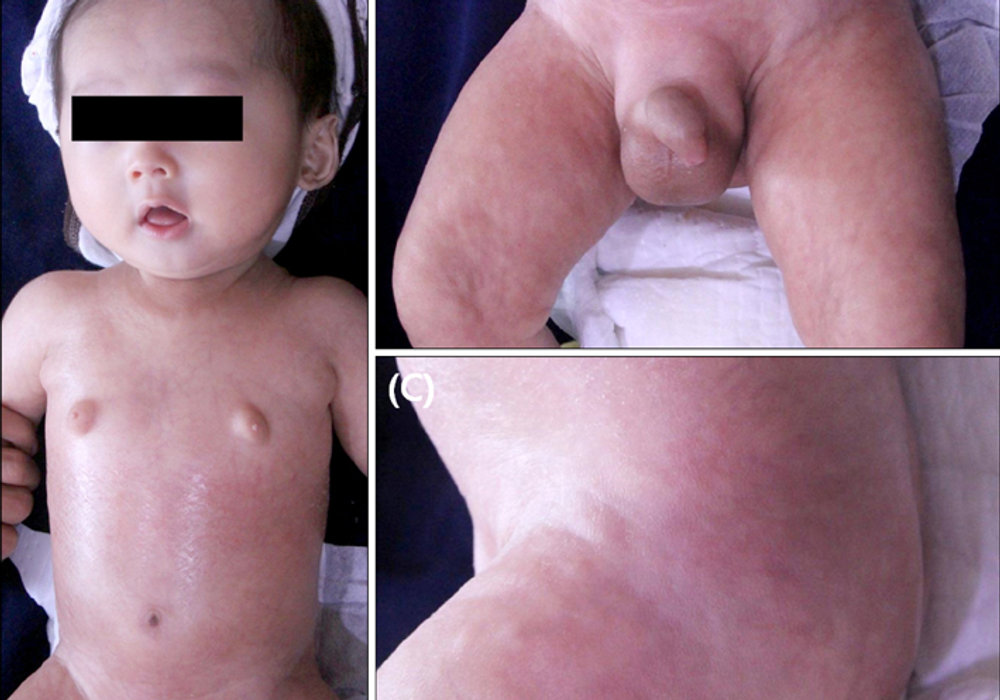
As a parent, seeing your child in need of surgery can be a nerve-wracking experience. Even minor procedures can trigger a wave of questions and anxieties. This blog post aims to demystify some of the most common pediatric surgical procedures, providing you with a clearer understanding of what to expect.
Common Pediatric Surgeries Explained:
1. Appendectomy:
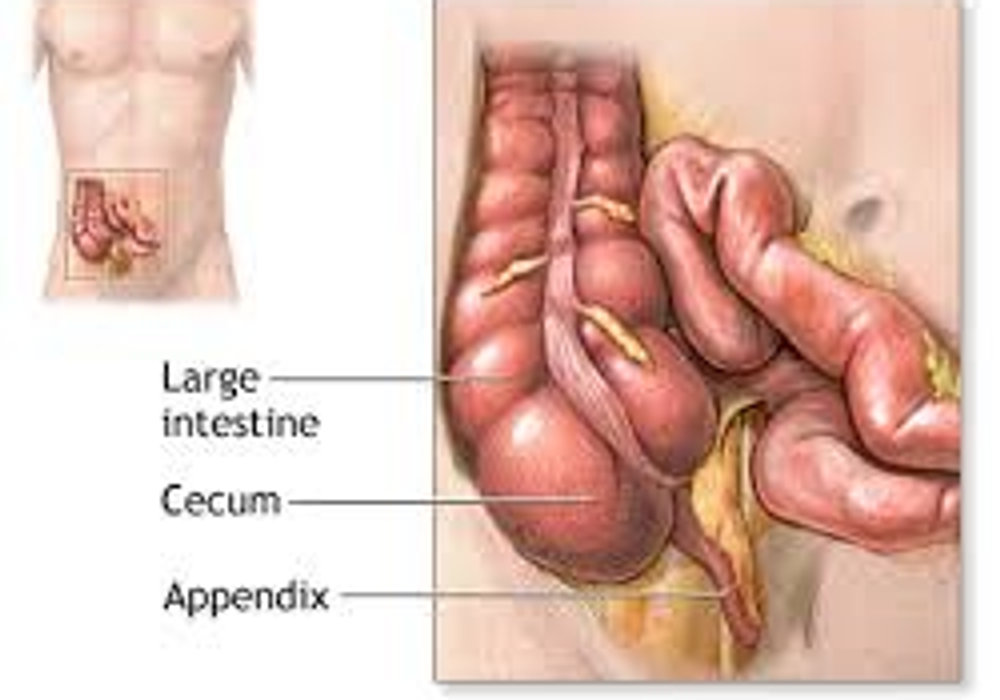
What is it?
This surgery removes the appendix, a small organ attached to the large intestine. Appendicitis, an inflammation of the appendix, often causes severe abdominal pain.
Why is it done?
If left untreated, a ruptured appendix can lead to serious complications. Surgery is typically the best course of action for confirmed appendicitis.
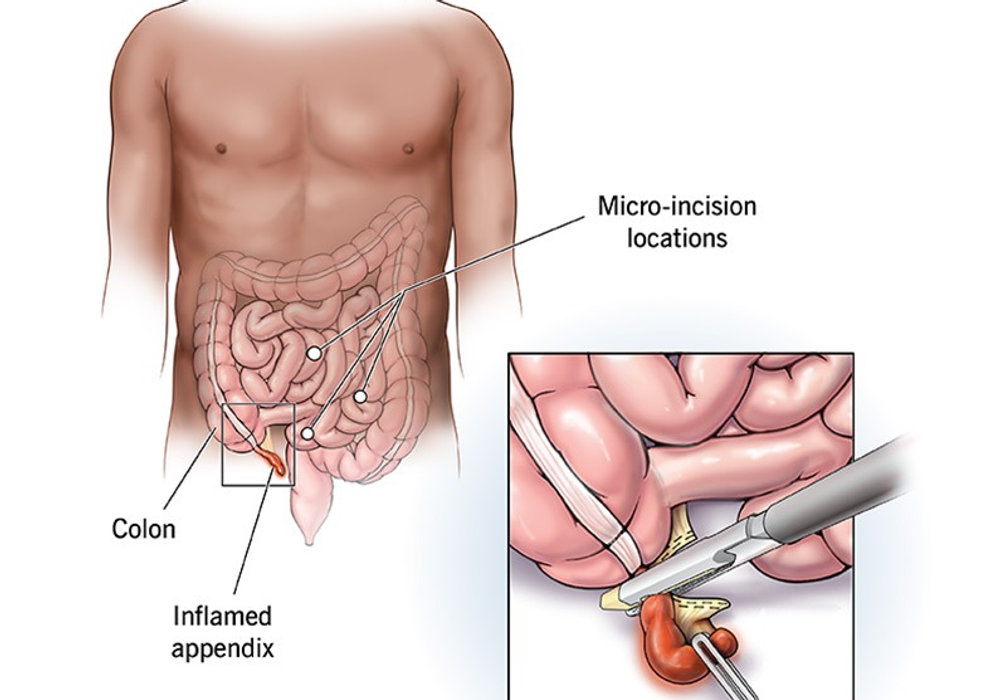
What to expect:
- Pre-surgery: Tests like blood work and imaging studies might be needed for diagnosis. Depending on the severity, your child might need to stay overnight in the hospital before surgery.
- Surgery: This is typically done laparoscopically, using small incisions and a camera. In some cases, a traditional open surgery might be needed.
- Recovery: Recovery time varies, but most children can go home within a few days and return to normal activities within a week or two, depending on the type of surgery performed.
2. Hernia Repair:
What is it?
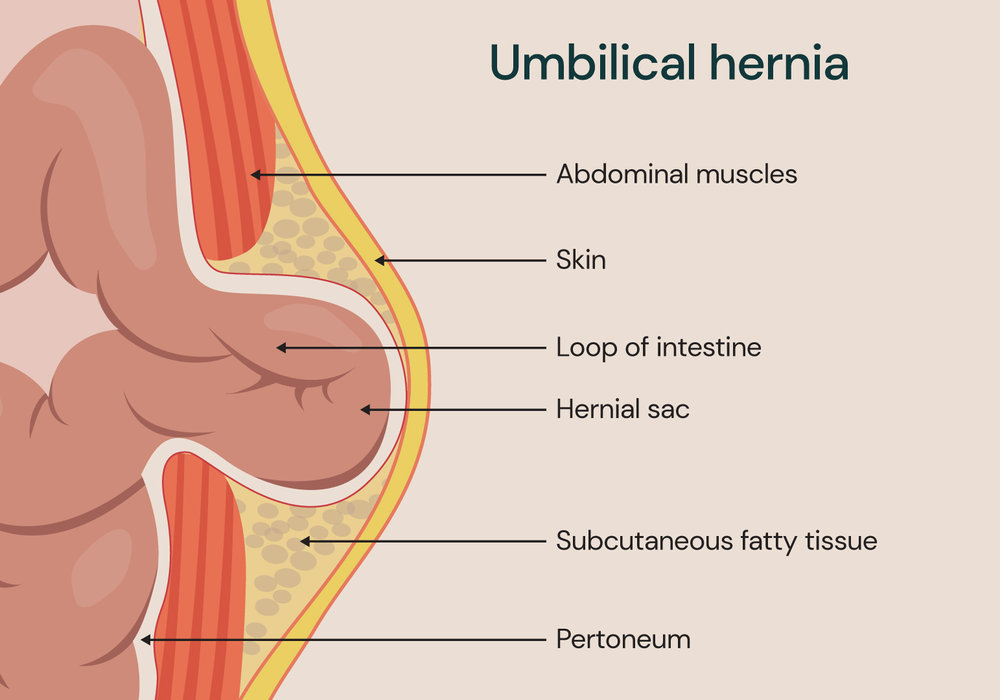
A hernia occurs when an organ or tissue pushes through a weak spot in the muscle wall. In children, hernias are most common in the groin (inguinal hernia)
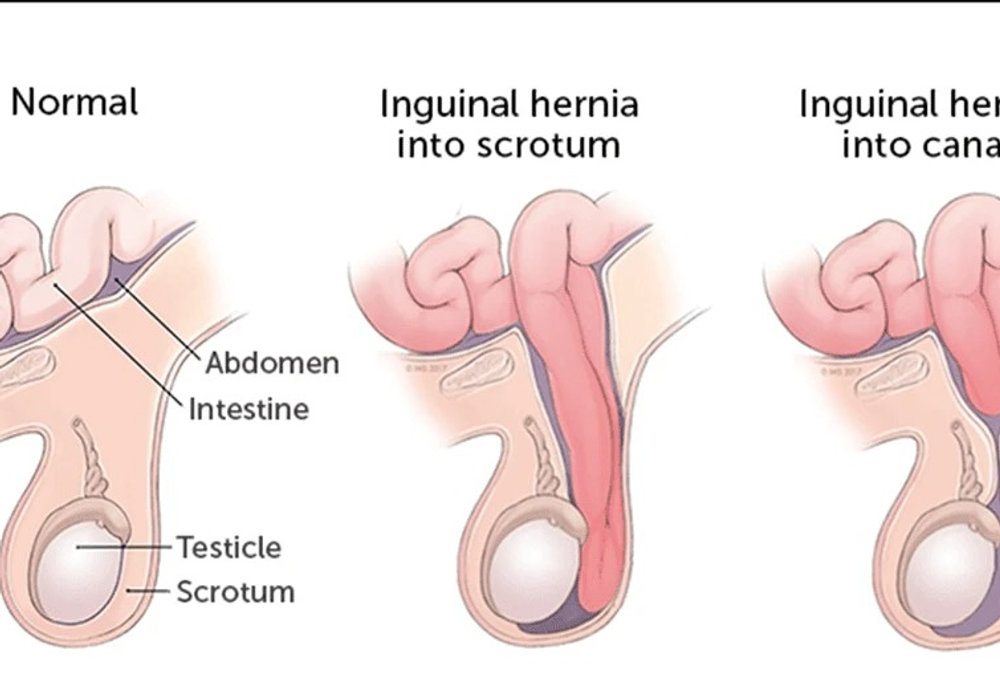
or near the belly button (umbilical hernia).
Why is it done?
Hernias can cause discomfort or pain, and surgery is usually the only way to permanently fix them.
What to expect:
- Pre-surgery: Diagnosis often involves a physical exam and imaging studies.
- Surgery: This is typically a minimally invasive procedure with a short recovery time.
- Recovery: Your child might experience some soreness at the incision site, but they should be able to resume normal activities within a few days.
3. Tonsillectomy:
What is it?
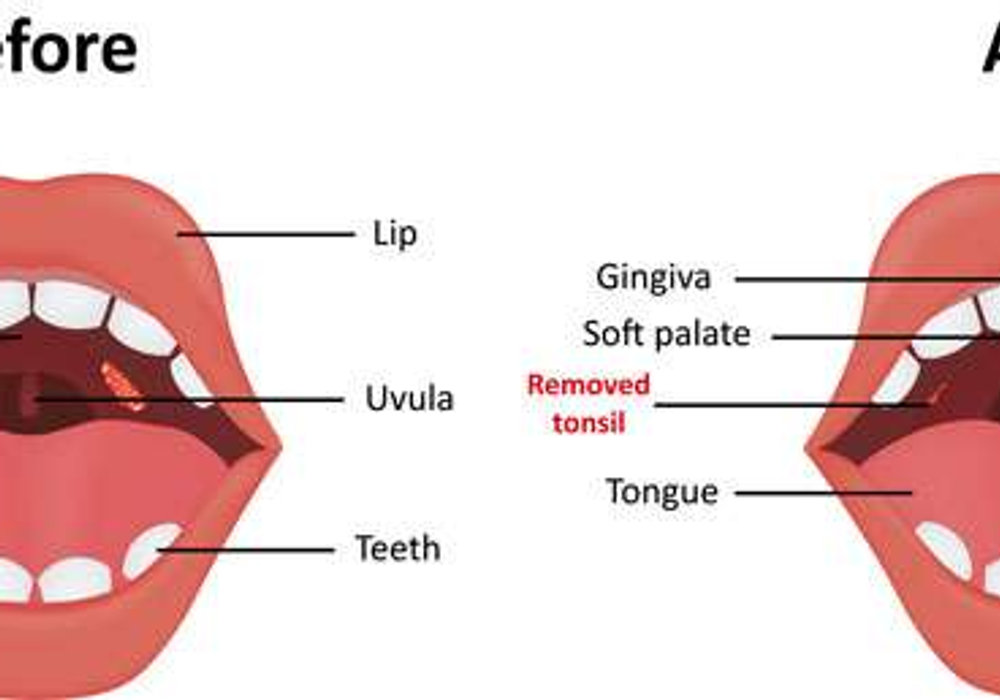
This surgery removes the tonsils, two pads of tissue located at the back of the throat.
Why is it done?
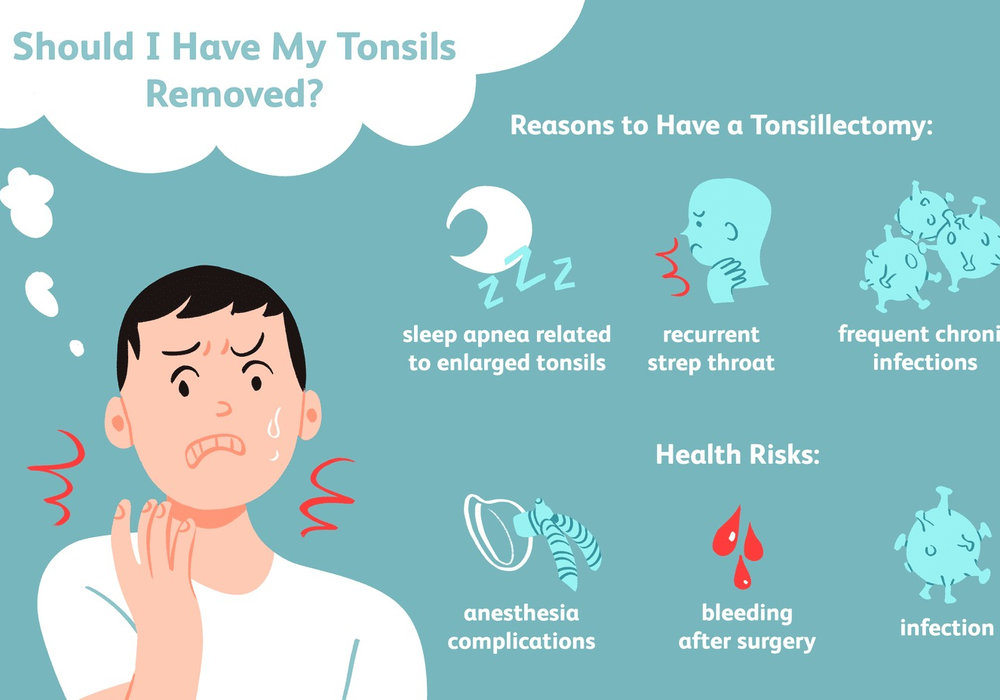
Frequent tonsillitis (inflamed tonsils) or difficulty breathing due to enlarged tonsils are common reasons for tonsillectomy.
What to expect:
- Pre-surgery: Your child's doctor will review medical history and might recommend tests to assess overall health.
- Surgery: This is typically performed under general anesthesia.
- Recovery: Sore throat is a common post-operative symptom. Soft foods and plenty of fluids are crucial for a comfortable recovery. Most children return to normal activities within a week or two.

Remember:
This blog offers a general overview. Every child and situation is unique. Always consult with your child's pediatrician or pediatric surgeon to discuss specific details about the procedure, risks, and recovery expectations for your child.
Additional Tips for Parents:
- Ask Questions: Don't hesitate to ask your child's doctor any questions you have about the surgery.
- Prepare Your Child: Age-appropriate explanations and a tour of the hospital (if possible) can help ease anxieties.
- Pack Essentials: Pack comfortable clothes, favorite stuffed animal, and any comfort items your child might need for the hospital stay.
- Be a Support System: Your presence and reassurance can make a world of difference for your child's emotional well-being throughout the process.
By understanding what to expect, you can feel more empowered and prepared to support your child through a common pediatric surgical procedure. Remember, communication with your child's doctor is key, and with proper care, your child should have a smooth recovery and return to their normal activities soon.