The world of pediatric surgery can feel like a whirlwind of medical jargon, hospital procedures, and worries about your child's health. While the focus is naturally on your child's well-being, it's crucial to acknowledge the emotional toll a child's surgery can take on the entire family.

This blog post delves into the importance of mental health support for families after pediatric surgery. We'll explore the emotional challenges you might face, coping mechanisms to navigate them, and resources available to prioritize family resilience.
The Emotional Rollercoaster:
A child's surgery can trigger a range of emotions for parents, siblings, and caregivers. Here are some common experiences:
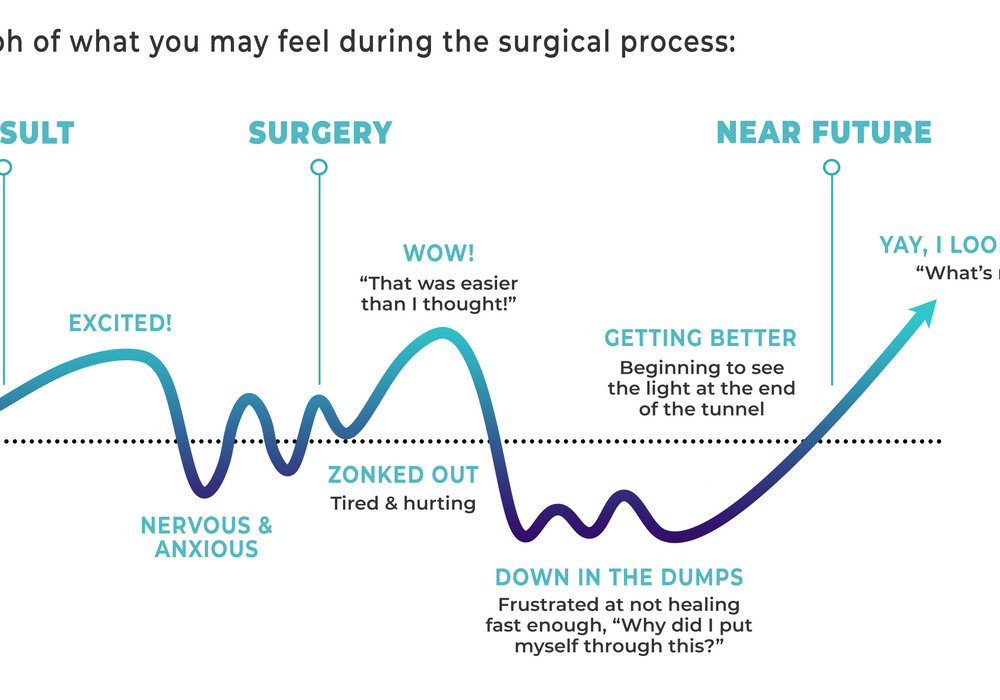
- Anxiety and Fear: The unknown can be frightening. Worrying about the surgery itself, potential complications, and your child's recovery can be overwhelming.
- Guilt and Self-Doubt: You might question if you did something wrong or if you're making the right decisions for your child's care.
- Stress and Exhaustion: Juggling hospital visits, managing logistics, caring for other family members, and your own emotional well-being can be incredibly draining.
- Anger and Frustration: The healthcare system can feel complex, and setbacks during recovery can be frustrating.
Building Resilience: Strategies for Coping
While every family copes differently, here are some strategies to navigate the emotional challenges:
- Open Communication: Talk openly with your partner, family members, and close friends about your feelings. Sharing your burdens can be incredibly helpful.

- Seek Support Groups: Connecting with other families who have been through similar experiences can provide invaluable emotional support and a sense of belonging.
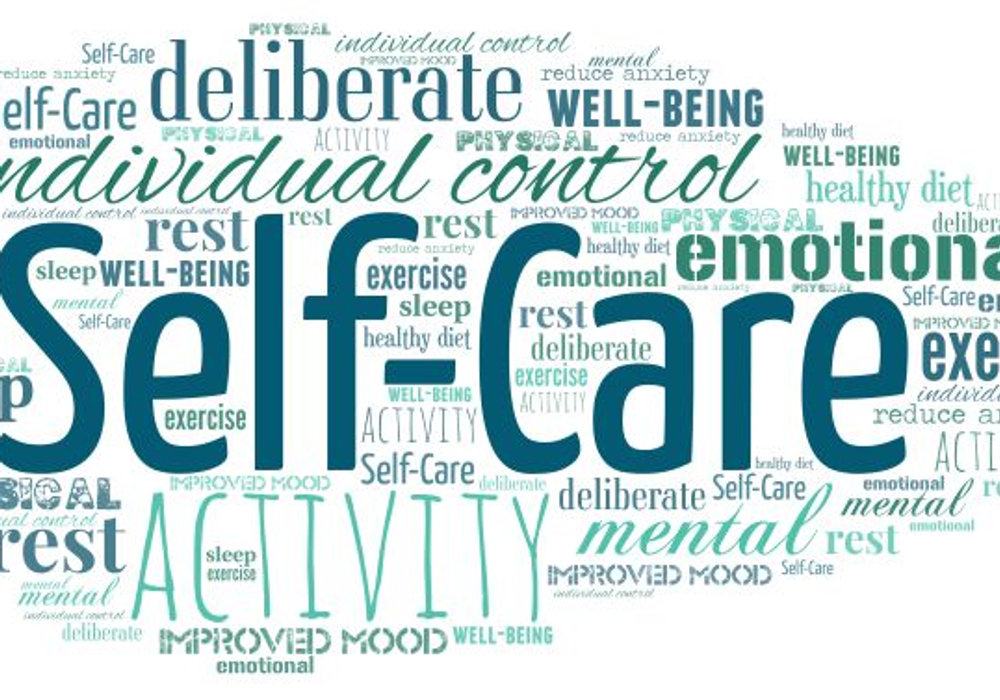
- Prioritize Self-Care: Taking care of yourself physically and emotionally is crucial. Schedule time for relaxation, healthy meals, exercise, and activities you enjoy.
- Mindfulness and Relaxation Techniques: Practices like deep breathing, meditation, or journaling can help manage stress and anxiety.
When to Seek Professional Help:
If you're struggling to cope with the emotional challenges, don't hesitate to seek professional help. A therapist can provide individual or family therapy to help you process your emotions, develop coping mechanisms, and strengthen family communication. Signs that professional help might be beneficial include:
- Constant anxiety or worry that interferes with daily life.
- Feelings of guilt or self-doubt that persist despite reassurance.
- Difficulty sleeping or eating due to stress.
- Difficulty managing anger or frustration.
- Withdrawing from social activities or feeling isolated.

Prioritizing Family Resilience:
Building resilience as a family takes time and effort. Here are some tips:
- Focus on the Positive: Celebrate milestones in your child's recovery, no matter how small.
- Maintain Routines (as possible): Having some normalcy in your daily routine can provide a sense of stability and comfort.
- Work as a Team: Parents, siblings, and caregivers should support each other emotionally and practically. Delegate tasks and offer support to each other.

- Celebrate Each Other: Acknowledge everyone's efforts and sacrifices throughout the journey.
- Seek Joy and Laughter: Laughter doesn't diminish the seriousness of the situation, but it can be a powerful tool for boosting mood and resilience.
Remember, you are not alone. Many families have walked a similar path. By prioritizing your mental health, seeking support when needed, and working together as a family, you can navigate this challenging time and emerge stronger.
Additional Resources:
- The National Alliance on Mental Illness (NAMI): https://www.nami.org/Home
- The Child Mind Institute: https://childmind.org/
- The Jed Foundation: https://jedfoundation.org/ (This resource focuses on youth mental health but offers valuable resources for families coping with stress and anxiety.)
Disclaimer: This blog post is for informational purposes only and should not be a substitute for professional medical or mental health advice. Always consult with a healthcare professional or therapist for personalized guidance regarding your mental health needs.