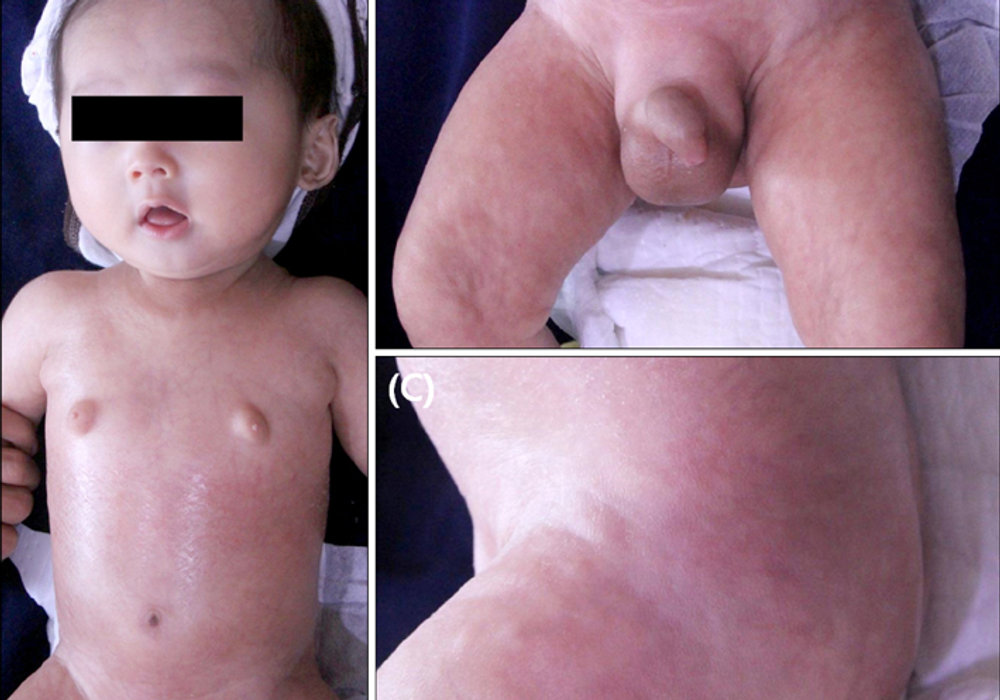
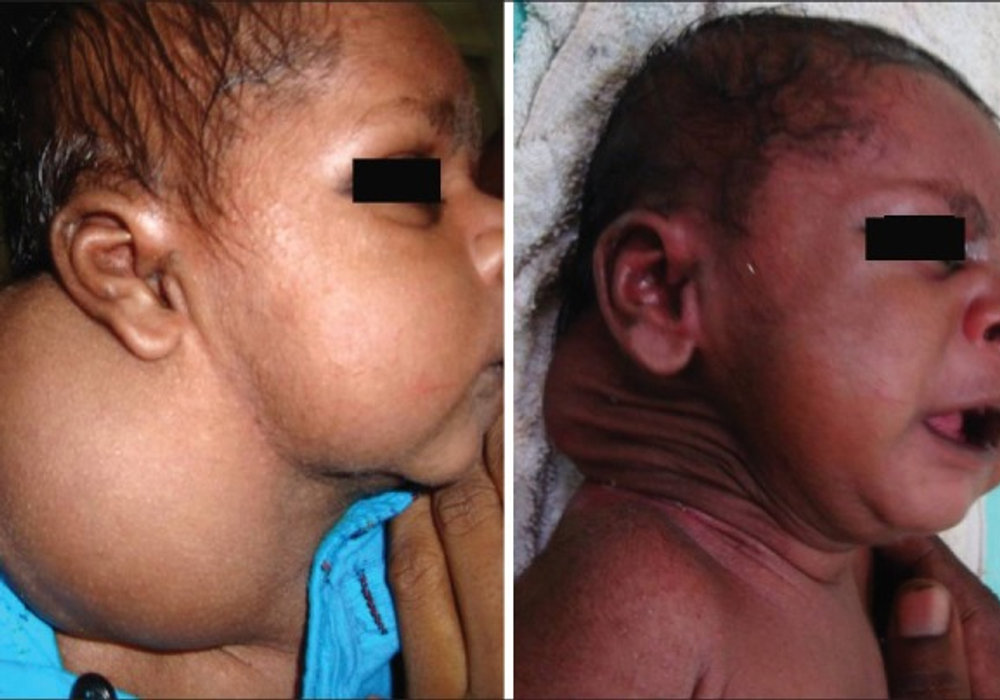
Lymphangiomas, benign proliferations of lymphatic vessels, can present as cystic, cavernous, or macrocystic lesions, often causing cosmetic disfigurement, functional impairment, and potential for complications. While surgical resection remains a mainstay of treatment, sclerotherapy with agents like bleomycin offers a less invasive option.
Mechanism of Action
Bleomycin, an antineoplastic antibiotic, exerts its sclerosing effect by inducing endothelial cell damage and inflammation within the lymphatic vessels. This leads to fibrosis and eventual obliteration of the lymphatic spaces.
Clinical Applications
Indications:
- Bleomycin is primarily used for the treatment of macrocystic and mixed-type lymphangiomas.
Contraindications:
- Pulmonary insufficiency
- Renal insufficiency
- Pregnancy
Dosage and Administration:
- The typical dose of bleomycin for intralesional injection is 0.3-0.6 mg/kg, with a maximum single dose of 15 mg.
- The drug is typically injected directly into the lymphatic spaces under ultrasound guidance.
- Multiple injections may be required to achieve optimal results.
Clinical Outcomes and Safety
Several studies have demonstrated the efficacy of bleomycin in the treatment of lymphangiomas.
- Tanaka et al. (1990) reported a significant response rate (87%) in 47 patients treated with bleomycin.
- Oxford et al. (1995) observed an 87.5% response rate in 16 patients treated with bleomycin.
- Mahajan et al. (2004) reported an 86.7% response rate in 15 patients.
- Saddal et al. (2007) observed a 90% response rate in 33 patients.
- Rozman et al. (2011) reported an 83% response rate in 24 patients.
While generally well-tolerated, potential side effects include:
- Local: Pain, swelling, erythema, fever, and transient skin discoloration are common.
- Systemic: Pulmonary toxicity, although rare, is a serious concern and requires close monitoring.
Clinical Considerations
- Patient Selection: Careful patient selection is crucial, considering factors such as lesion size, location, and the presence of any underlying medical conditions.
- Monitoring: Close monitoring for potential side effects, particularly pulmonary toxicity, is essential.
- Multidisciplinary Approach: A multidisciplinary approach involving pediatric surgeons, radiologists, and pulmonologists is often necessary for optimal management.
Conclusion
Bleomycin sclerotherapy has emerged as an effective treatment option for lymphangiomas in children. While potential side effects must be carefully considered, its efficacy and minimally invasive nature make it a valuable therapeutic modality for the management of these challenging lesions.
References
- Tanaka K, et al. Sclerotherapy of cystic hygroma with bleomycin. J Pediatr Surg. 1990;25(1):57-60.
- Oxford GM, et al. Treatment of cystic hygroma with bleomycin: a review of 16 cases. Br J Plast Surg. 1995;48(4):290-2.
- Mahajan RK, et al. Bleomycin sclerotherapy for lymphangioma: our experience. Indian J Pediatr. 2004;71(11):979-82.
- Saddal SR, et al. Bleomycin sclerotherapy in the management of lymphangioma. Indian J Pediatr. 2007;74(11):1037-40.
- Rozman B, et al. Bleomycin sclerotherapy for lymphangiomas: a retrospective study of 24 cases. J Pediatr Surg. 2011;46(10):1941-5.