Bowel bladder dysfunction (BBD) is a complex condition affecting many children worldwide, impacting both their physical health and quality of life. This comprehensive guide explores the causes, symptoms, and management strategies for BBD, providing valuable information for parents, caregivers, and healthcare professionals.
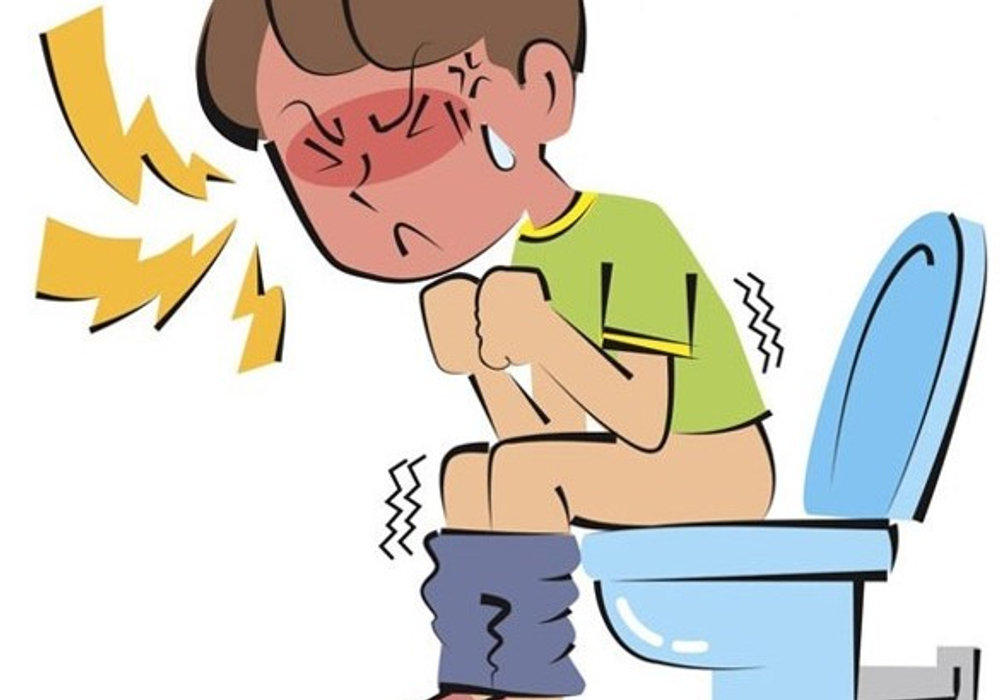
Understanding Bowel Bladder Dysfunction
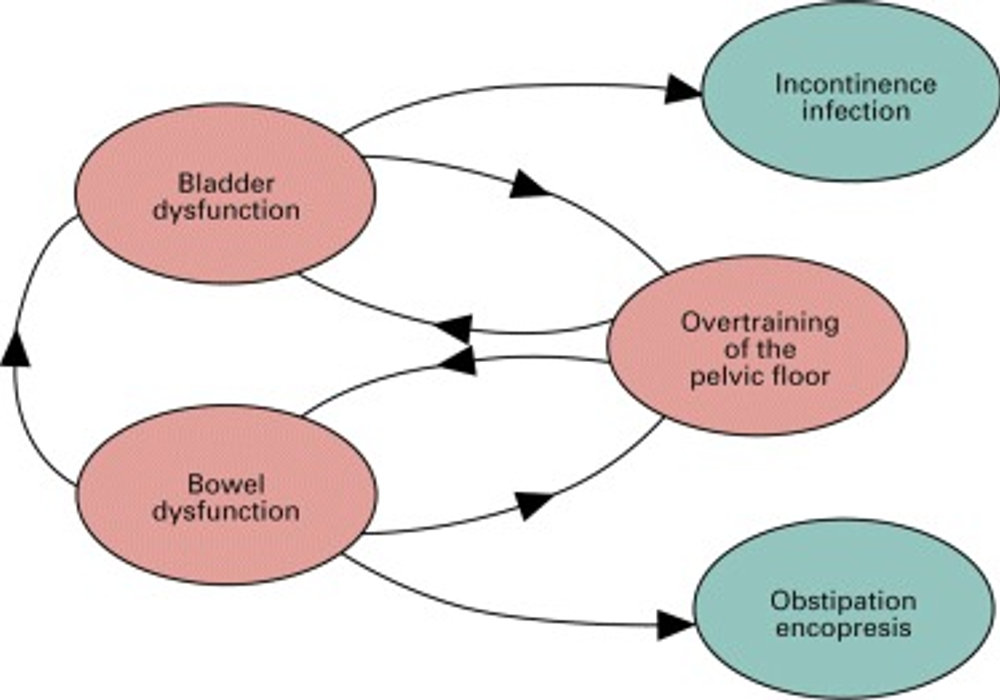
Bowel bladder dysfunction, also known as dysfunctional elimination syndrome, refers to a group of lower urinary tract symptoms accompanied by constipation or fecal incontinence. This condition affects approximately 40% of children presenting to pediatric urology clinics and can persist into adolescence if not properly managed.
Common Symptoms
Children with BBD may experience various symptoms, including:
- Daytime urinary incontinence
- Frequent urination or urgency
- Holding maneuvers (crossing legs, squatting)
- Constipation or fecal soiling
- Recurrent urinary tract infections
- Incomplete bladder emptying
Risk Factors and Causes
Several factors can contribute to the development of BBD:
Developmental Factors
- Delayed or rushed toilet training
- Transition to school environment
- Developmental delays affecting continence
Physical Factors
- Neurological conditions
- Anatomical abnormalities
- Muscle coordination issues
Behavioral and Psychological Factors
- Anxiety around toileting
- Negative experiences with bathroom use
- School-related stress
Assessment and Diagnosis
Proper diagnosis requires a comprehensive evaluation, including:
- Detailed medical history
- Physical examination
- Voiding and bowel diary
- Urinalysis and urine culture
- Ultrasound evaluation when indicated
- Specialized urodynamic testing in complex cases
Management Strategies
Behavioral Interventions
The cornerstone of BBD treatment involves behavioral modification:
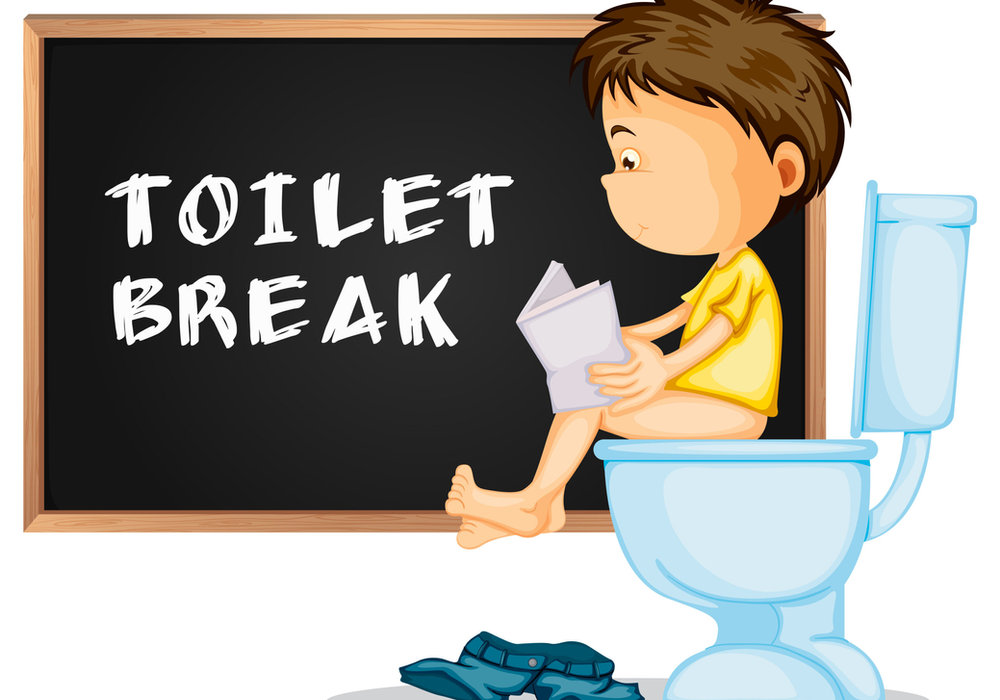
- Scheduled voiding times
- Proper toileting posture
- Regular bowel habits
- Reward systems for compliance
- Adequate fluid intake
Medical Management
Medical interventions may include:
- Stool softeners or laxatives for constipation
- Anticholinergic medications for overactive bladder
- Prophylactic antibiotics in cases of recurrent UTIs
Supportive Care
Supporting children with BBD requires:
- Regular follow-up with healthcare providers
- School-based accommodations
- Family education and support
- Psychological support when needed
Impact on Daily Life
BBD can significantly affect a child's:
- School performance and attendance
- Social relationships
- Self-esteem and emotional well-being
- Family dynamics
Prevention Strategies
Early prevention focuses on:
- Age-appropriate toilet training
- Recognition of early warning signs
- Maintaining good bathroom habits
- Regular physical activity
- Proper dietary habits
When to Seek Professional Help
Parents should consult healthcare providers when:
- Symptoms persist despite basic interventions
- There are signs of urinary tract infections
- The child shows emotional distress
- School performance is affected
- There are concerns about development
Support Resources
For Parents
- Support groups and online communities
- Educational materials
- Pediatric continence clinics
- School nurse partnerships
For Healthcare Providers
- Clinical guidelines
- Professional development resources
- Research updates
- Interdisciplinary collaboration opportunities
Future Directions
Research continues in several areas:
- Novel therapeutic approaches
- Understanding neurological factors
- Improving diagnostic tools
- Developing targeted interventions

Suggested Reading
- Austin PF, et al. (2023). "The Management of Dysfunctional Voiding in Children: A Report from the Standardization Committee of the International Children's Continence Society." Journal of Urology.
- Santos JD, et al. (2023). "Bowel and Bladder Dysfunction in Children: A Practical Guide to Evaluation and Management." Pediatric Clinics of North America.
- Chase J, et al. (2022). "The Standardization of Terminology of Lower Urinary Tract Function in Children and Adolescents: Update Report from the Standardization Committee of the International Children's Continence Society." Neurourology and Urodynamics.
References
- Hodges SJ, et al. (2023). "Bowel and Bladder Dysfunction: Setting the Record Straight." Urology.
- Yang S, et al. (2023). "Clinical Practice Guidelines for the Diagnosis and Management of BBD in Children." European Journal of Pediatrics.
- Dos Santos J, et al. (2022). "The Impact of BBD on Quality of Life in Children: A Systematic Review." Journal of Pediatric Urology.
- Franco I. (2022). "New Directions in the Treatment of Children with Lower Urinary Tract Dysfunction." Current Urology Reports.
- von Gontard A, et al. (2023). "Psychological Aspects of Urinary Incontinence, Enuresis and Faecal Incontinence." Psychology Research and Behavior Management.