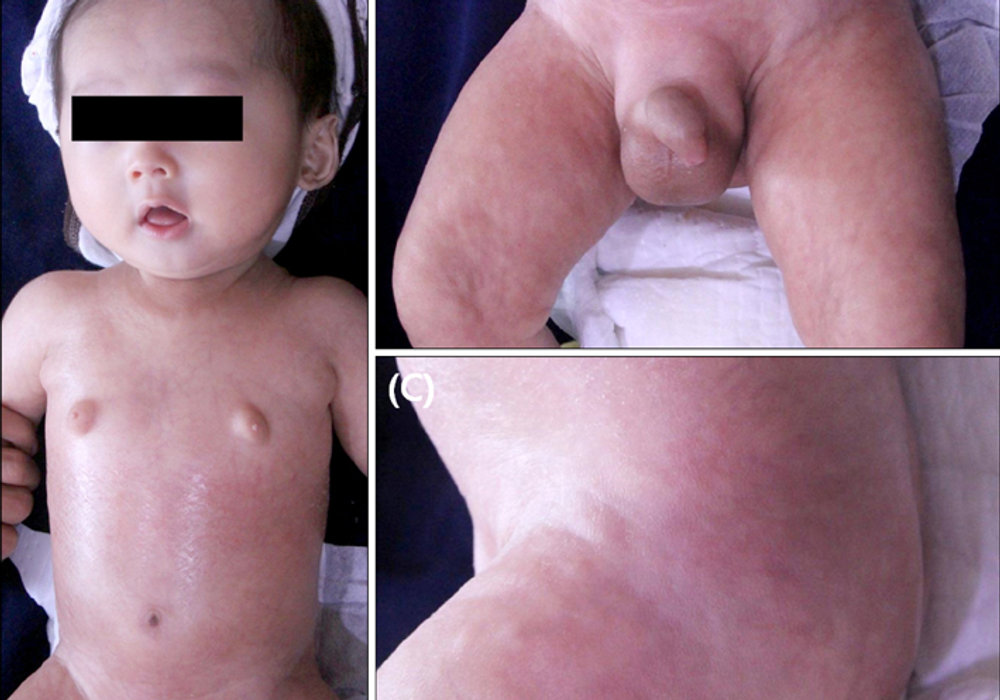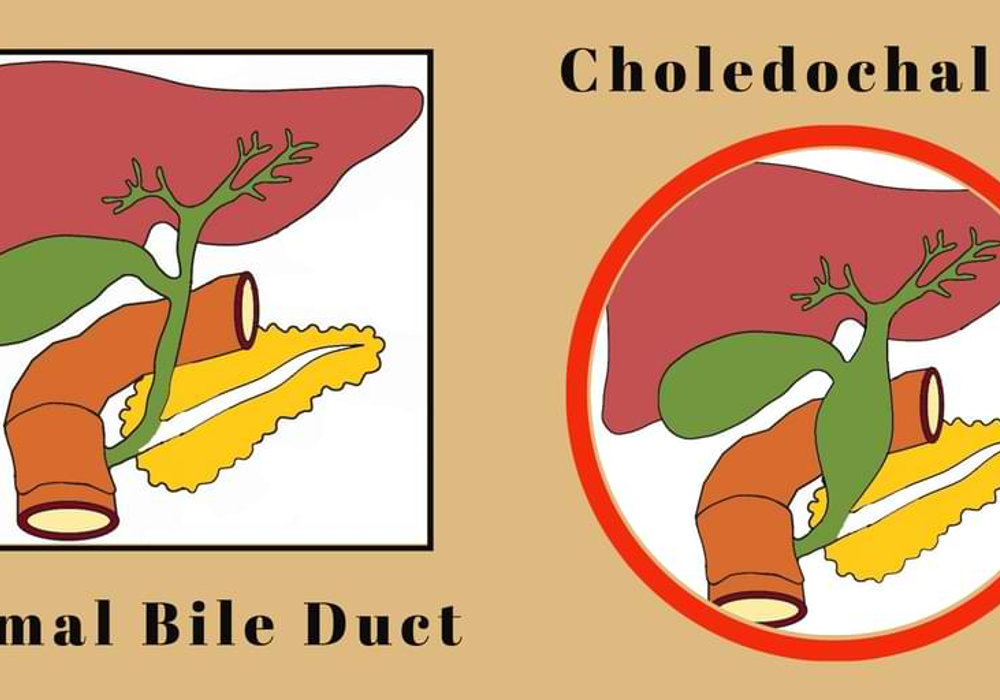
Choledochal cyst is a rare congenital anomaly characterized by the abnormal dilatation of the common bile duct. It can present with a variety of symptoms, ranging from mild abdominal pain to life-threatening complications. Early diagnosis and appropriate management are crucial to prevent serious consequences.
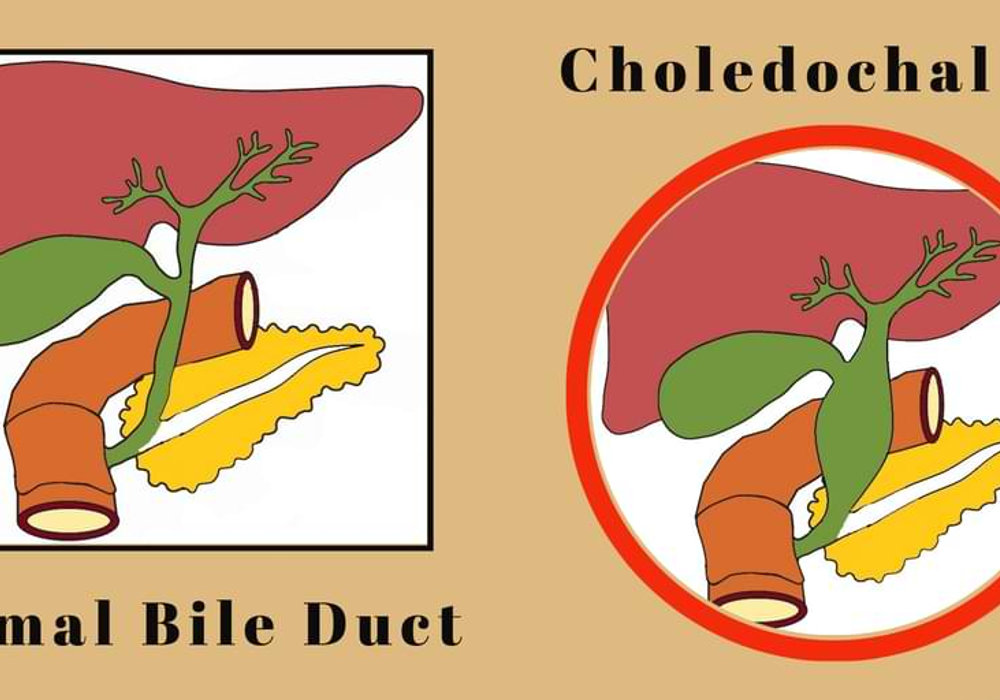
Epidemiology and Incidence
Choledochal cysts are relatively uncommon, with an estimated incidence of 1 in 100,000 to 1 in 1,000 live births. The exact cause remains unknown, but it is believed to be due to a developmental abnormality of the biliary tract.
Clinical Presentation
The clinical presentation of choledochal cyst can vary depending on the age of the child and the severity of the condition. Common symptoms include:
- Abdominal pain, often in the right upper quadrant
- Jaundice (yellowing of the skin and eyes)
- Fever
- Vomiting
- Weight loss
- Abdominal mass
- Pancreatitis
Diagnosis
The diagnosis of choledochal cyst is often made through a combination of imaging studies and laboratory tests. Common diagnostic tests include:
- Ultrasound: This is often the initial imaging test and can help identify a cystic mass in the abdomen.
- CT scan: A CT scan can provide more detailed images of the biliary tract and surrounding structures.
- MRI: MRI can be used to evaluate the extent of the cyst and any associated abnormalities.
- Endoscopic retrograde cholangiopancreatography (ERCP): This procedure can visualize the biliary tract and allow for therapeutic interventions, such as drainage of the cyst.
- Laboratory tests: Blood tests may show elevated liver enzymes or signs of inflammation.
Surgical Management
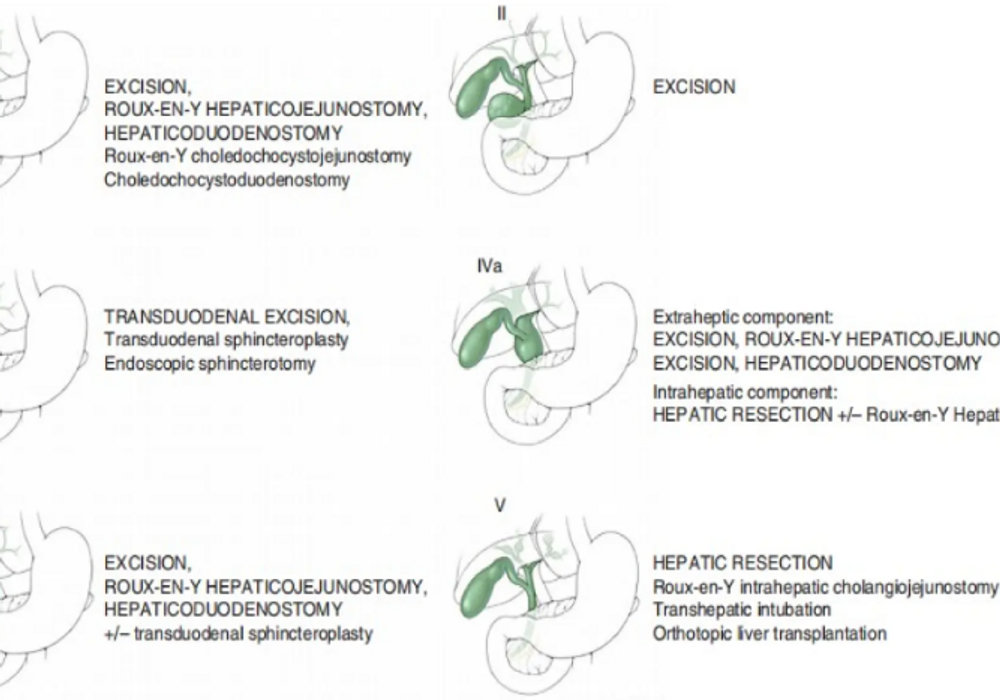
The preferred surgical approach for choledochal cyst depends on the type of cyst and the child's age. Common surgical procedures include:
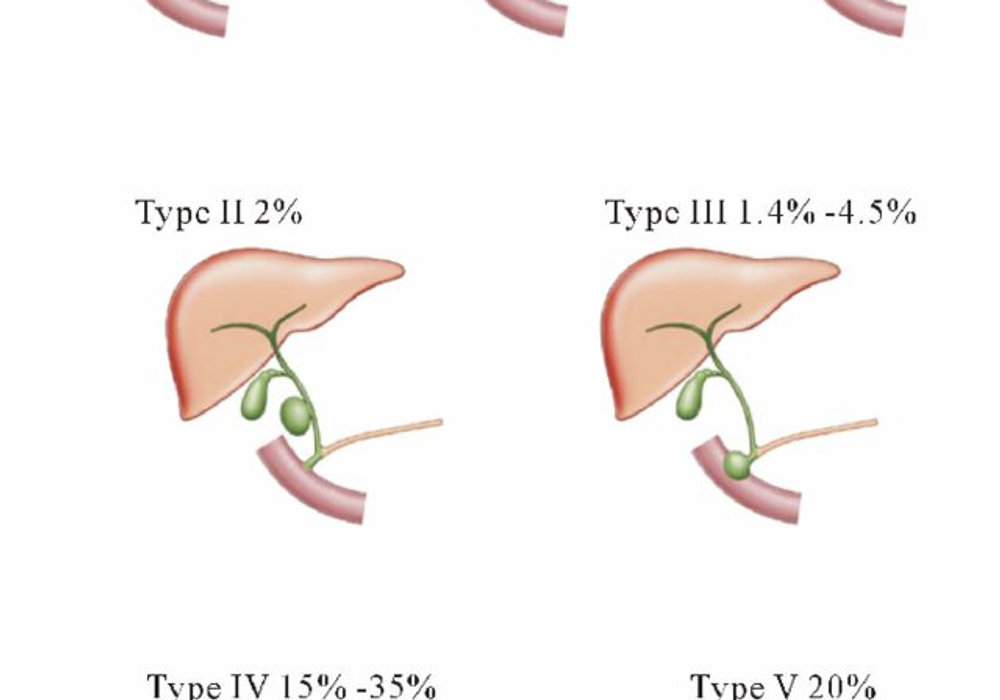
- Cystoduodenostomy: This procedure involves creating a connection between the cyst and the duodenum, allowing bile to drain normally.
- Cystogastrostomy: This procedure creates a connection between the cyst and the stomach.
- Roux-en-Y hepaticojejunostomy: This procedure involves creating a bypass around the cyst, allowing bile to drain directly into the small intestine.
- Excision of the cyst: In some cases, the cyst may be completely removed.
Medical Management
In some cases, medical management may be considered, especially in young children with small cysts or those who are not suitable for surgery. Medical management may include antibiotics to treat infections and ursodeoxycholic acid (UDCA) to help dissolve gallstones.
Prognosis
The prognosis for choledochal cyst depends on the type of cyst, the timing of diagnosis, and the effectiveness of treatment. Early diagnosis and appropriate surgical management can lead to favorable outcomes in most cases. However, there is a risk of complications, such as pancreatitis, cholangitis, and gallbladder cancer.
Conclusion
Choledochal cyst is a rare but potentially serious condition that requires prompt diagnosis and treatment. Early intervention can help prevent complications and improve the long-term prognosis.