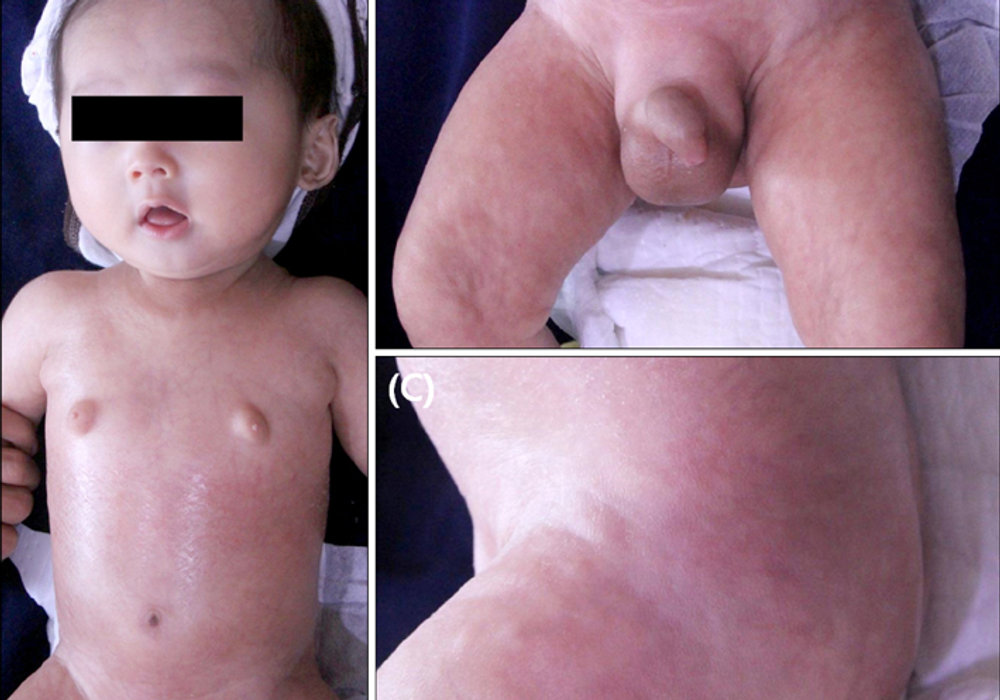
The world of medicine is constantly evolving, and pediatric surgery is no exception. Advancements in surgical techniques, treatments, and medications all stem from ongoing research. But how do these advancements happen, especially when it comes to the delicate world of children's health?

This blog post delves into the importance of clinical trials for kids in pediatric surgery. We'll explore the ethical considerations, the vital role research plays in improving children's well-being, and how families can participate responsibly in these trials.
Why are Clinical Trials for Kids Important?
Children are not simply "small adults." Their bodies are still growing and developing, and the way they respond to medications and treatments can differ significantly from adults.
Clinical trials specifically designed for children are crucial for several reasons:
- Developing Age-Specific Treatments: These trials allow researchers to study the effectiveness and safety of new treatments for children at different age groups and with varying conditions.
- Optimizing Doses and Techniques: Pediatric trials ensure that medications and surgical techniques are appropriately adjusted for a child's weight, body size, and developmental stage.
- Understanding Long-Term Effects: Clinical trials can monitor the long-term impact of new treatments on children's health and development.
Ethical Considerations in Pediatric Research:
The safety and well-being of children are paramount in any clinical trial. Here's how researchers ensure ethical conduct:
- Strict Regulations: Clinical trials involving children undergo rigorous review by ethical boards to ensure they meet strict safety and ethical guidelines.
- Informed Consent: Parents or legal guardians must provide informed consent after thoroughly understanding the potential benefits and risks involved in the trial.
- Minimal Risk: The potential benefits of the trial must outweigh the potential risks for the child's health.
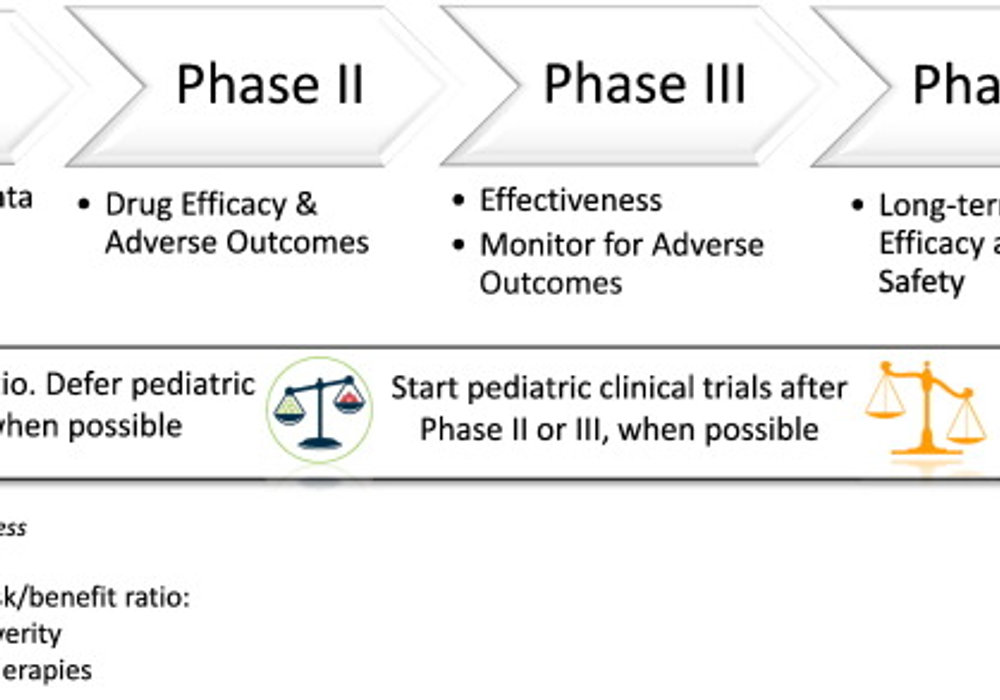
How Can Families Participate Responsibly?
If you're considering allowing your child to participate in a clinical trial, it's essential to be fully informed and involved in the decision-making process. Here's how:
- Ask Questions: Don't hesitate to ask the research team detailed questions about the study, the specific procedures involved, potential risks and benefits, and alternative treatment options.
- Understand Your Rights: You have the right to withdraw your child from the trial at any point if you have concerns.
- Seek Additional Information: Research the specific condition and treatment being studied in the trial. Reputable medical organizations and patient advocacy groups can offer valuable resources.
Making a Difference for Future Generations:
Participating in a clinical trial for kids can be a powerful way to contribute to the advancement of pediatric surgical care. By offering your child the opportunity to participate in responsible research, you can help pave the way for better treatments and improved outcomes for children facing similar challenges in the future.
Remember:
- Talk to your child's doctor: Discuss any potential clinical trials that might be relevant to your child's condition.
- Involve your child in the discussion: Depending on their age and understanding, encourage your child to ask questions and express their feelings about participating in a trial.
- Make an informed decision: Participating in a clinical trial is a personal choice. Weigh the potential benefits and risks carefully before proceeding.
By understanding the importance of pediatric surgical research and the ethical considerations involved, families can make informed decisions about participating in clinical trials. These trials hold the potential to revolutionize pediatric care, offering hope and better health outcomes for generations of children to come.