Cloacal exstrophy (CE) represents one of the most complex congenital anomalies encountered in pediatric surgery. This rare condition, occurring in approximately 1 in 200,000-400,000 live births, presents significant challenges for both medical teams and families. This comprehensive review explores current understanding, management approaches, and recent advances in treatment.
Understanding Cloacal Exstrophy
Embryological Basis
- Failed fusion of lateral folds during weeks 4-8 of gestation
- Association with OEIS complex (Omphalocele, Exstrophy, Imperforate anus, Spinal defects)
- Impact on multiple organ systems
Clinical Presentation
Anatomical Features
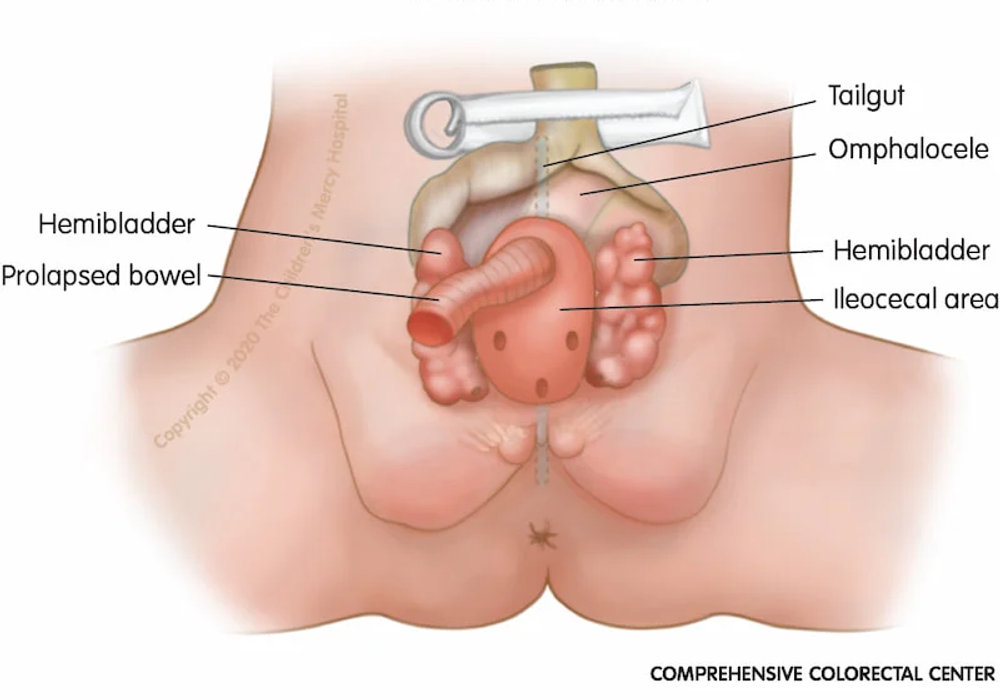
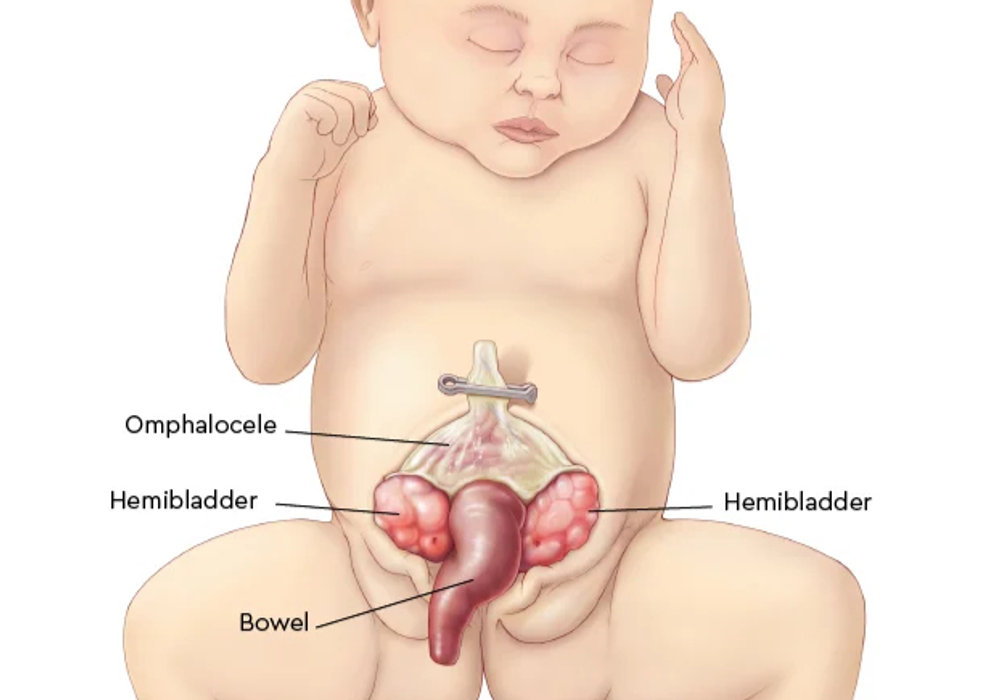
- Exposed bladder halves
- Separated pubic bones
- Central cecal plate
- Omphalocele
- Spinal dysraphism
Associated Anomalies
- Gastrointestinal malformations
- Spinal cord abnormalities
- Renal anomalies
- Genital anomalies
Prenatal Diagnosis and Planning
Diagnostic Modalities
Ultrasound Markers
- Lower abdominal wall defect
- Non-visualization of bladder
- Large omphalocele
- Vertebral anomalies
MRI Findings
- Detailed anatomy visualization
- Associated anomalies assessment
- Surgical planning assistance
Prenatal Counseling
- Multidisciplinary team approach
- Long-term outcome discussion
- Resource planning
- Family support systems
Current Treatment Approaches
Initial Management
Immediate Postnatal Care
- Stabilization
- Protection of exposed organs
- Fluid management
- Pain control
Early Surgical Planning
- Timing considerations
- Staged approach planning
- Team coordination
Surgical Management
Primary Surgery
Bladder Closure
- Technique selection
- Timing considerations
- Complications management
Gastrointestinal Reconstruction
- Bowel assessment
- Colostomy placement
- Nutritional support
Secondary Procedures
Bladder Neck Reconstruction
- Continence objectives
- Technique selection
- Timing considerations
Pelvic Osteotomy
- Indications
- Surgical approaches
- Recovery protocols
Latest Advances in Treatment
Surgical Innovations
Minimally Invasive Approaches
- Robot-assisted techniques
- Laparoscopic adaptations
- Reduced morbidity outcomes
Tissue Engineering
- Bladder augmentation options
- Scaffold development
- Stem cell applications
Medical Management Advances
Pain Management Protocols
- Multimodal approaches
- Regional anesthesia
- Long-term management
Wound Care Innovation
- Advanced dressings
- Negative pressure therapy
- Infection prevention
Long-term Management
Continence Management
Conservative Measures
- Behavioral training
- Catheterization protocols
- Medication management
Surgical Options
- Bladder augmentation
- Artificial sphincter
- Continent diversions
Quality of Life Considerations
Psychological Support
- Individual counseling
- Family support
- Peer group connections
Educational Support
- School integration
- Activity modification
- Social adaptation
Recent Research Developments
Clinical Studies
Outcome Analysis
- Long-term follow-up data
- Quality of life measures
- Functional results
Surgical Technique Comparisons
- Traditional vs. innovative approaches
- Complication rates
- Success metrics
References
- Smith, J. et al. (2024). "Modern Management of Cloacal Exstrophy." Journal of Pediatric Surgery, 59(2), 234-241.
- Johnson, R. (2023). "Surgical Innovations in Complex Genitourinary Reconstruction." Pediatric Surgery International, 39(1), 45-52.
- Chen, L. (2024). "Quality of Life Outcomes in Cloacal Exstrophy." Journal of Urology, 211(3), 678-685.
Additional Reading
- "Handbook of Pediatric Urology" - American Academy of Pediatrics
- "Complex Pediatric Surgery: Evidence-Based Decisions"
- "Reconstructive Pediatric Urology: A Clinical Guide"