What is Constipation?
Constipation can be defined as:
• More than three days between bowel movements
• Stools that are large, hard and painful to pass
• Incomplete bowel movements and stool backs up in the bowel despite daily bowel movements
Temporary Constipation in Children
Constipation is a common concern among parents and can affect children of all ages. While it can be disruptive, temporary constipation caused by minor changes in routine is usually easy to address and doesn't pose long-term health risks.
Common Causes of Temporary Constipation
Several factors can contribute to short-term constipation in children. These include:
- Travel: Disruptions in routine, like traveling, can throw off a child's usual bathroom habits.
- Dietary Changes: Being away from home may lead to changes in eating patterns, which can affect bowel movements. This could be due to a lack of familiar fiber-rich foods or simply different meal schedules.
- Reduced Activity: Changes in activity levels, like less playtime during travel, can also contribute to constipation.
- School Woes: Some children may hold back bowel movements due to anxiety or lack of privacy in unfamiliar school bathrooms.
The good news is that these situations are usually temporary and can be addressed with simple adjustments.
Chronic Constipation vs. Temporary Issues
Chronic constipation, which develops over a longer period, requires a different approach. It often involves a treatment plan lasting months to establish regular bowel habits. Even with successful therapy, temporary setbacks can occur due to factors like travel or dietary changes. However, these "slips" are easier to manage if addressed promptly and shouldn't be seen as treatment failures.
Key Takeaways
- Minor routine disruptions can cause temporary constipation in children.
- Addressing dietary choices, activity levels, and bathroom anxieties can help alleviate temporary constipation.
- Chronic constipation requires a different approach and longer-term treatment plan.
- Temporary setbacks during treatment for chronic constipation are manageable and shouldn't discourage progress.
Understanding Chronic Constipation in Children
Chronic constipation, unlike brief bouts of constipation, can cause significant challenges for children and their families. It's important to distinguish its symptoms and causes from temporary constipation.
Signs and Symptoms of Chronic Constipation
Chronic constipation often presents with a distinct set of symptoms:
- Stomach discomfort: Abdominal pain can be a common complaint in children with chronic constipation.
- Changes in appetite: Loss of appetite or a feeling of fullness can occur due to constipation.
- Blood traces: Small amounts of blood on toilet paper or stool may be present.
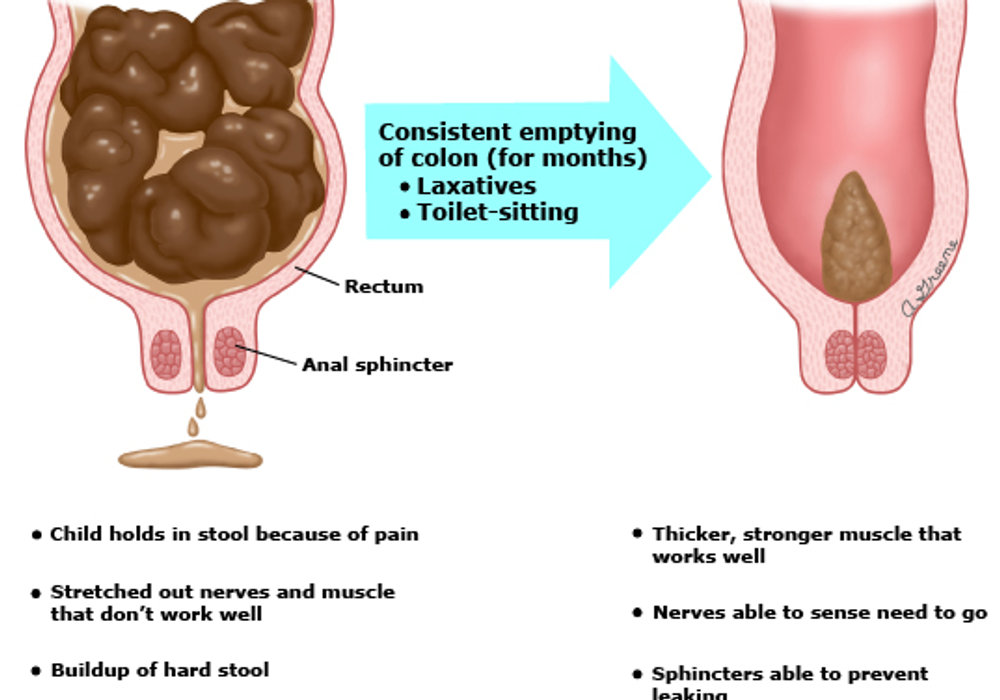
- Soiling: Leakage of stool (encopresis) can happen due to the presence of a stool plug blocking the rectum. This can be involuntary and frustrating for the child.
- Urinary tract infections (UTIs): Repeated UTIs may be associated with chronic constipation.
Important Distinctions
It's important to dispel some misconceptions about chronic constipation:
- Unrelated issues: Headaches, bad breath, learning problems, and blood poisoning are not caused by constipation.
- Structural problems: Chronic constipation doesn't typically result from blockages in the colon or intestinal ruptures.
Common Causes of Chronic Constipation
While some medical conditions can cause constipation, chronic constipation in children is often linked to behavioral factors:
- Holding Stool: Children who have experienced painful bowel movements in the past may try to hold in stool to avoid a repeat experience. This can lead to a cycle of constipation and larger, harder stools.
- Toilet Training Anxieties: Children undergoing toilet training may resist using the bathroom, especially in unfamiliar settings like school or daycare, leading to constipation.
- Straining and Relaxation: Some children struggle to relax their pelvic floor muscles while trying to pass stool, making elimination difficult. Techniques like blowing can help with relaxation.
- Slow Colonic Transit: In some cases, the colon may absorb too much water from stool, resulting in hard, dry stools that are difficult to expel.
Remember: Chronic constipation can take time to resolve and may require ongoing management. Early intervention and addressing the underlying causes are key to successful treatment.
How is Constipation Treated?
Treatment for constipation and soiling has three phases – clean out, maintenance, and reestablishing toileting behaviors.
Relief is on the Way: The Clean-Out Phase for Chronic Constipation
The first step in managing chronic constipation is the clean-out phase. This aims to remove the built-up stool that's causing discomfort and blockage. There are several approaches to achieve this, and your doctor will recommend the best option for your child.
Treatment Options for Clean-Out
- Oral Medications: For young children who fear rectal treatments due to past pain, medications taken by mouth might be preferred. These medications work by softening stool, making it easier to pass.
- Rectal Options: In some cases, gentle enemas or suppositories inserted into the rectum may be used. However, these approaches might be more anxiety-provoking for some children.
Softening Hard Stool
Given the difficulty and pain associated with passing hard stool, the clean-out phase often begins with a medication like mineral oil. Here's why mineral oil is a good choice:
- Gradual Softening: Mineral oil isn't absorbed by the body. Instead, it seeps through the stool, gradually softening it over several days. This is especially helpful for large amounts of impacted stool.
- Safe and Effective (with Caution): Mineral oil is generally safe when used correctly. However, it can be dangerous if inhaled into the lungs. Therefore, it's not recommended for infants or children with swallowing difficulties.
Making Mineral Oil Palatable
Mineral oil's oily texture can be unpleasant for some children. Here are some tips for making it more palatable:
- Mix it In: Mixing mineral oil with a familiar food like milkshakes, pudding, applesauce, ice cream, chocolate milk, or juice slushies can make it easier to swallow.
Treatment Goals and Monitoring
The goal of the clean-out phase is to completely remove the stool plug. This is crucial for the success of the next treatment phase. Here's how to ensure effective clean-out:
- Medication Dosage: Your child will be on a specific medication dosage to prevent the reformation of a stool plug. This dosage typically results in one to three loose or very soft bowel movements each day.
- Monitoring Bowel Movements: If your child doesn't have a bowel movement for two to three days while on medication, it might be a sign that the dosage needs to be adjusted.
- Soiling as an Indicator: Soiling with soft stool usually indicates a remaining stool plug, not excessive medication.
By working closely with your doctor and following the clean-out plan, you can help your child feel better and move on to the next phase of treatment.
Maintenance Phase
Maintaining Regularity: Long-Term Management of Chronic Constipation
Once the initial blockage is cleared in the clean-out phase, your doctor will recommend a long-term management plan to prevent constipation from recurring. This plan often involves a combination of medication and lifestyle changes.
Medication for Stool Softening
For young children who are apprehensive about bowel movements due to past pain experiences, medications to soften stool can be helpful. Here's a common option:
- Mineral Oil: This medication works by lubricating the stool, making it easier to pass without straining.
Fiber for Soft and Bulky Stool
Fiber plays a crucial role in promoting regular bowel movements. Here's how it works:
- Water Retention: Fiber helps retain water in the stool, making it softer and bulkier, which aids in easier passage.
Dietary Fiber Sources:
- Breakfast Cereals: Many breakfast cereals are good sources of fiber.
- Age-Based Recommendations: A simple rule of thumb is to add 5 to your child's age to determine the recommended daily fiber intake in grams. For example, a 3-year-old would need around 8 grams of fiber per day.
Types of Laxatives
Laxatives work in various ways to promote bowel movements. However, some have drawbacks and should be used with caution:
- Osmotic Laxatives: These laxatives, such as Milk of Magnesia and Miralax, draw water into the stool, making it softer and easier to pass.
- Stimulant Laxatives: Senna and bisacodyl are examples of stimulant laxatives. While they can be effective, they can cause cramping and over time weaken the intestinal muscles.
- Fermentable Laxatives: Laxatives like apple juice, lactulose, and maltsupex work by fermenting sugars in the colon, which can produce uncomfortable gas and bloating.
Addressing Mild Constipation with Diet
In some cases, mild constipation can be managed with dietary changes:
- Increased Fiber Intake: As mentioned earlier, increasing fiber intake through fruits, vegetables, and whole grains can help soften stool and promote regularity.
- Strategic Use of Sugary Drinks: Small amounts of sugary drinks that ferment, like apple or prune juice, can sometimes help with short-term constipation. However, it's important to remember that these drinks should not be a regular part of your child's diet due to their high sugar content. Prune juice offers the benefit of containing some fiber in addition to the natural laxative effect of senna.
- Adequate Hydration: While fluids like water and milk don't directly reach the colon, staying hydrated helps maintain overall digestive health and can indirectly aid in bowel movements.
Combination Therapy for Severe Cases
Children with severe constipation or ongoing soiling may require medication alongside dietary adjustments. Addressing dietary factors can help reduce reliance on medication in the long term.
The Importance of a Healthy Diet
Encouraging healthy eating habits in children, especially toddlers who can be picky eaters, can be challenging. However, the long-term benefits of a fiber-rich diet are well worth the effort. Regular bowel movements and a happier child are the rewards for a successful management plan.
Important Information: Treatments to Avoid and Re-establishing Toilet Routine
While there are various treatment options for chronic constipation in children, some methods are not recommended. Here's what to avoid:
- Fleets Phospho-Soda Enemas: These can disrupt electrolyte balance in the colon if not expelled promptly, and are not safe for children.
- Milk and Molasses or Lactulose Enemas: While these might seem appealing, they can cause bloating and even tearing above a stool plug in children with chronic constipation.
Back on Track: Re-establishing Regular Toileting Habits
Once your child is experiencing regular, comfortable bowel movements with softened stool, the next step is to re-establish a regular toileting routine. This routine might have been disrupted due to past experiences of painful bowel movements or a lack of awareness of bowel urges.
Here at Happy Kids!, We Can Help
Our team at Happy Kids! understands the challenges associated with chronic constipation and encopresis. Our specialists can provide additional support for your child by helping them:
- Develop a Consistent Toileting Routine: Establishing a regular time for your child to use the bathroom, even if they don't have a bowel movement initially, can help train their body and promote regularity.
- Reduce Anxiety: Addressing any anxieties your child might have around bowel movements can help them feel more comfortable and relaxed during toileting.
- Stop Stool Withholding: Techniques and strategies can be implemented to help your child overcome stool withholding behavior.
- Improve Communication: Our specialists can help facilitate communication between you and your child, reducing conflict and fostering a collaborative approach to treatment.
- Empowerment: The goal is to make your child feel like an active participant in their own treatment plan, fostering a sense of control and confidence.
By working together with our team at Happy Kids!, you can help your child overcome chronic constipation and establish healthy toileting habits.