Introduction
Cultural competency in pediatric surgical care is not just an ethical imperative—it's a crucial component of delivering optimal healthcare outcomes. As our patient populations become increasingly diverse, understanding and respecting cultural differences becomes fundamental to providing effective surgical care.
Understanding Cultural Competency
Core Components
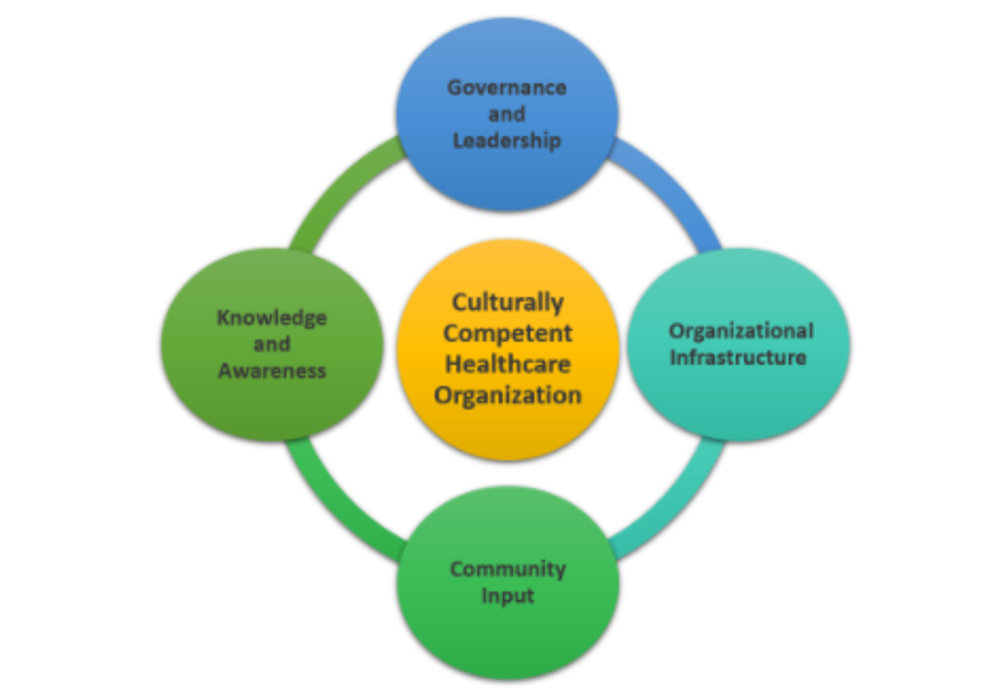
- Cultural Awareness
- Recognition of cultural differences
- Understanding personal biases
- Continuous self-assessment
- Cultural Knowledge
- Health beliefs and practices
- Traditional medicine
- Family dynamics
- Religious considerations
- Cultural Skills
- Cross-cultural communication
- Use of interpreters
- Non-verbal communication
- Family engagement
Cultural Considerations in Surgical Care
1. Pre-operative Phase
Communication
- Language preferences
- Family decision-making structures
- Religious and cultural beliefs
- Educational needs
Assessment
- Cultural health beliefs
- Traditional healing practices
- Dietary restrictions
- Pain expression differences
2. Surgical Phase
Key Considerations:

- Gender sensitivity
- Religious requirements
- Body modesty
- Blood product preferences
- Organ donation beliefs
3. Post-operative Care
- Pain management approaches
- Dietary requirements
- Visitor protocols
- Recovery expectations
Religious and Cultural Practices
1. Islamic Practices
- Prayer accommodation
- Gender-specific care
- Halal dietary needs
- Ramadan considerations
2. Jewish Traditions
- Sabbath observance
- Kosher requirements
- Religious items
- Family involvement
3. Asian Cultural Perspectives
- Traditional medicine integration
- Family hierarchy
- Hot/cold balance
- Recovery practices
4. Hispanic/Latino Considerations
- Family involvement
- Folk medicine
- Language preferences
- Cultural syndromes
Language and Communication
1. Interpreter Services
Best Practices:
- Professional medical interpreters
- Video interpretation
- Cultural brokers
- Family dynamics
2. Written Materials
- Multi-language resources
- Cultural appropriateness
- Health literacy levels
- Visual aids
Family-Centered Care
1. Decision Making
- Family hierarchies
- Extended family roles
- Gender dynamics
- Age considerations
2. Support Systems
- Community resources
- Religious support
- Cultural organizations
- Social services
Training and Education
1. Staff Development

Key Areas:
- Cultural awareness workshops
- Language training
- Case studies
- Simulation scenarios
2. Ongoing Assessment
- Competency evaluation
- Patient feedback
- Outcome monitoring
- Quality improvement
Implementation Strategies
1. Organizational Framework
- Policy development
- Resource allocation
- Staff training
- Quality metrics
2. Clinical Integration
- Assessment tools
- Care protocols
- Documentation
- Follow-up care
Research and Evidence
Recent Studies
- "Impact of Cultural Competency on Surgical Outcomes" (Journal of Pediatric Surgery, 2024)
- "Cross-cultural Communication in Pediatric Care" (Healthcare Communication, 2023)
- "Cultural Competency Training Effectiveness" (Medical Education Journal, 2023)
Additional Reading Materials
Books
- "Cultural Competency in Pediatric Surgery" by Dr. Maria Rodriguez
- "Cross-Cultural Healthcare" by Dr. James Chen
- "Bridging Cultural Gaps in Medicine" by Dr. Sarah Ahmed
Online Resources
- Cultural Competency Resource Center
- National Center for Cultural Competence
- Healthcare Cultural Education Portal
References
- Journal of Pediatric Surgery (2024) - "Cultural Competency Standards"
- Healthcare Diversity (2023) - "Best Practices in Cultural Care"
- Medical Ethics Journal (2024) - "Cultural Rights in Healthcare"
- Patient Communication Quarterly (2023) - "Cross-cultural Surgery Care"
Success Stories
"Understanding our patients' cultural beliefs and practices has transformed our surgical outcomes and patient satisfaction." - Dr. Vivek Viswanathan, Director of Pediatric Surgery
Disclaimer: This guide represents general principles of cultural competency. Individual patient needs may vary.