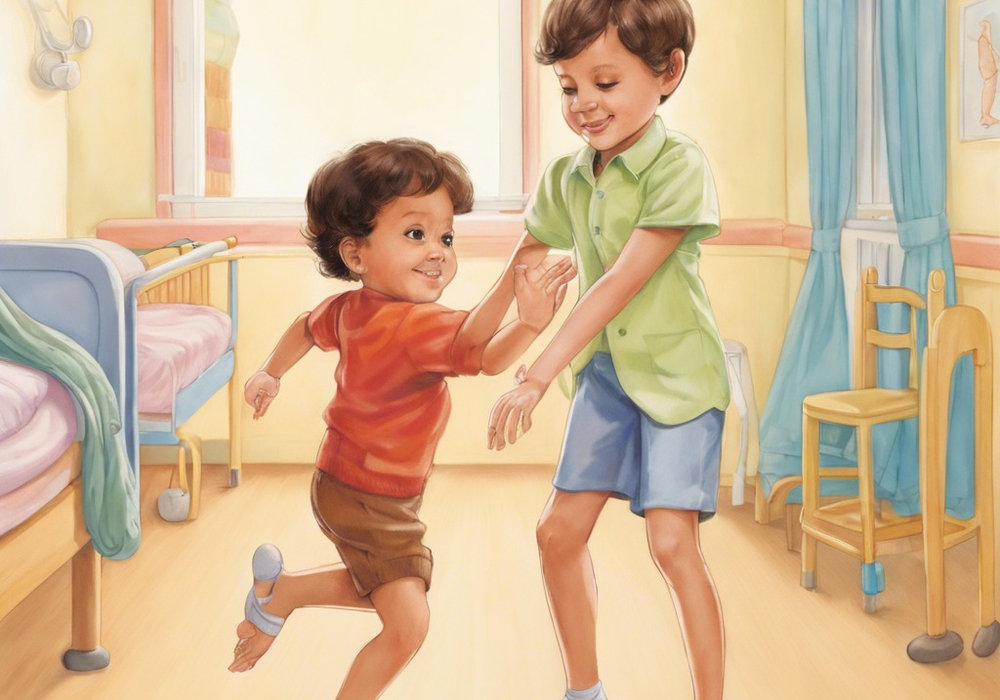
When it comes to diagnosing urological issues in children, traditional methods often rely on invasive procedures or scans. However, a new and innovative approach is gaining traction: Dance Diagnosis. This method utilizes a child's natural movement patterns to assess potential urological problems.
What is Dance Diagnosis?
Dance Diagnosis, also known as movement-based diagnosis, is a non-invasive technique that uses a child's dance or movement to identify potential urological conditions. A trained therapist observes the child's gait, posture, and specific movements, looking for subtle signs that might indicate underlying concerns like:
- Bladder dysfunction (urinary incontinence, hesitancy)
- Urinary tract infections (UTIs)
- Constipation or difficulty with bowel movements
- Pelvic floor dysfunction
How Does it Work?
Dance Diagnosis relies on the connection between the nervous system, the urinary tract, and the pelvic floor muscles. Specific movement patterns can reveal potential imbalances or weaknesses in these areas. Here's how it unfolds:
- Observation: The therapist observes the child's natural movements, free play, or specific dance exercises designed to target different muscle groups.
- Assessment: Based on the observations, the therapist assesses for abnormalities like difficulty initiating movement, asymmetry in gait, or pain when performing certain movements.
- Interpretation: These observations can be interpreted as potential clues to underlying urological issues.

Benefits of Dance Diagnosis:
- Non-invasive: This method avoids the need for stressful procedures or scans, especially beneficial for young children.
- Child-friendly: Utilizing movement and play makes the process engaging and less intimidating for children.
- Early Detection: Dance Diagnosis can identify potential issues early on, allowing for prompt intervention and better long-term outcomes.
- Empowerment: By participating in their own assessment, children feel a sense of ownership and control over their health.
Limitations of Dance Diagnosis:
While promising, Dance Diagnosis is a relatively new approach. More research is needed to establish its effectiveness as a standalone diagnostic tool. Additionally, trained therapists skilled in movement-based assessments are not yet widely available.
Dance Diagnosis in Conjunction with Traditional Methods:
Dance Diagnosis is best viewed as a complementary tool alongside traditional methods like urinalysis, ultrasound, or urodynamic studies. The combined approach offers a more comprehensive picture of a child's urological health.
Conclusion:
Dance Diagnosis holds immense potential for a more child-friendly and proactive approach to pediatric urology. While further research is warranted, this innovative technique offers a promising way to identify and address urological issues in children through the power of movement.