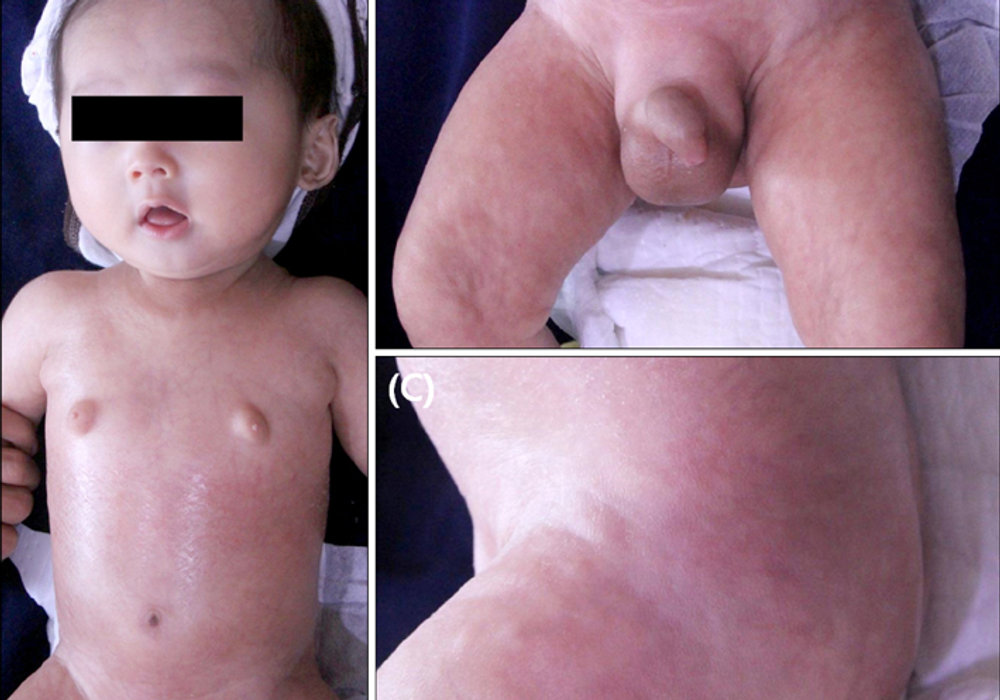
Tiny Troublemakers: Understanding Congenital Diaphragmatic Hernia (CDH)
Congenital Diaphragmatic Hernia (CDH) might sound complex, but it basically means a hole in the diaphragm, the muscular wall separating your chest from your belly. This isn't something that develops over time; it happens before birth and can affect how a baby's lungs grow.
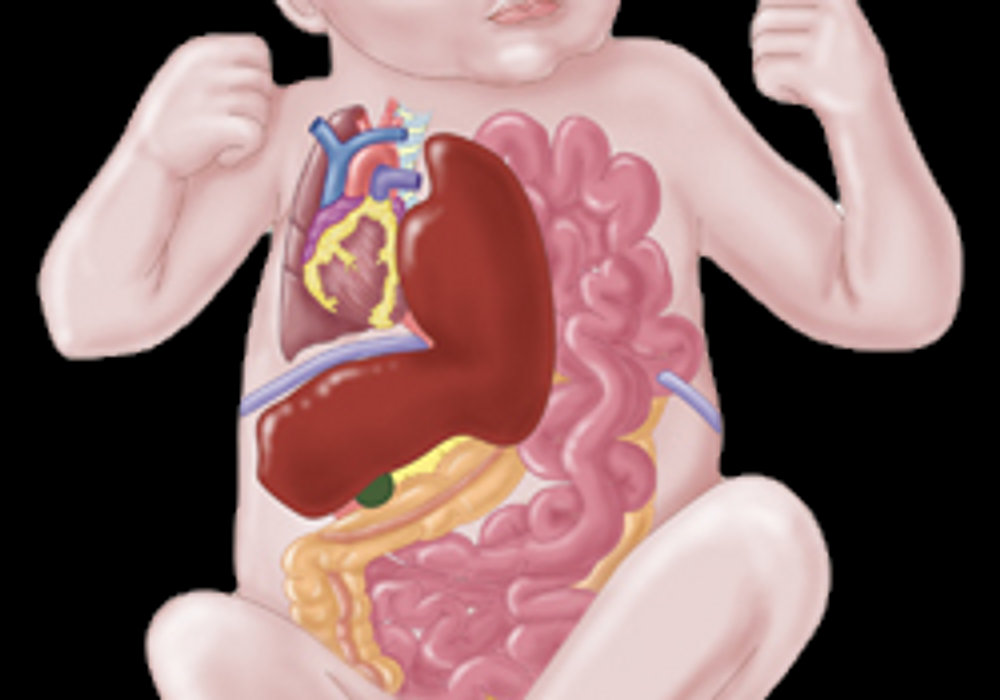
The Diaphragm: Your Breathing Buddy
Normally, the diaphragm is a thin but mighty muscle that plays a key role in breathing. It works like a piston, moving up and down as you breathe in and out. By the end of the first trimester, most babies have a fully formed diaphragm. But with CDH, the muscles don't completely seal together, leaving a hole. This hole can be on either the left or right side of the chest, but most often it's on the left.
The 2 most common types of diaphragmatic hernia are:
· Bochdalek hernia. This type involves the side and back of the diaphragm. The stomach, liver, spleen, or intestines move up into your child’s chest cavity.
· Morgagni hernia. This type involves the front part of the diaphragm. The liver or intestines move up into your child’s chest cavity.
Organs Out of Place, Breathing in Trouble
The problem with this hole is that it allows organs from the belly, like the intestines and sometimes even the liver, to sneak up into the chest cavity. This crowded space makes it hard for the baby's lungs to develop properly during pregnancy.
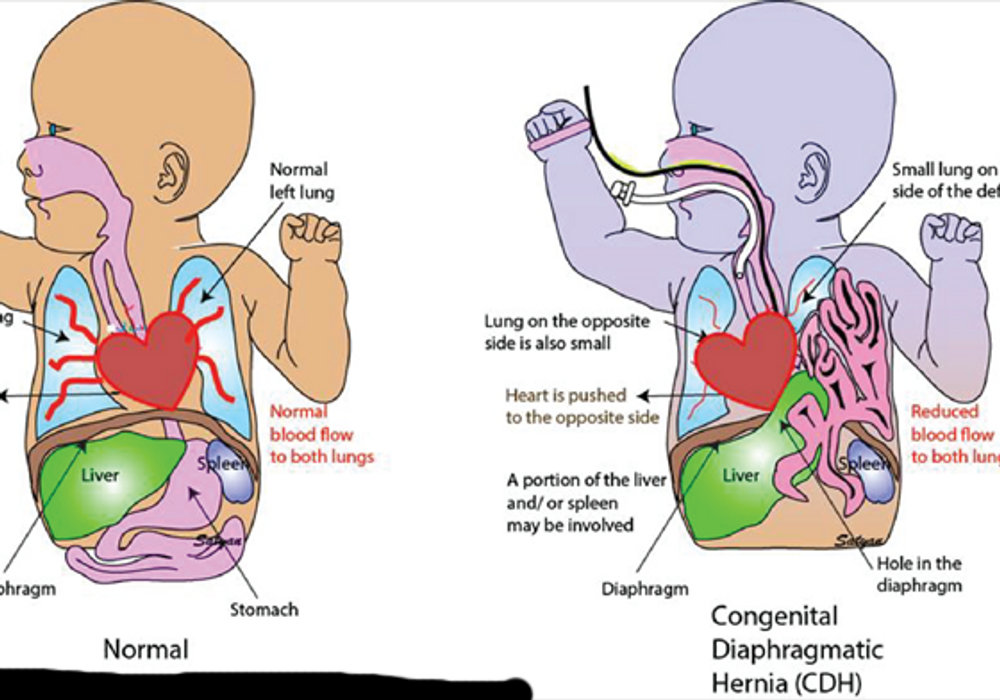
Taking the First Breath: Challenges for Babies with CDH
Babies born with CDH often have two lung problems: they may be small and underdeveloped (pulmonary hypoplasia), and they may have high blood pressure in the lungs (pulmonary hypertension). These issues make breathing extremely difficult for newborns with CDH, and they need immediate medical attention from a specialized team in the delivery room.
The Cause of the Tiny Hole: A Mystery
Unfortunately, doctors haven't pinpointed the exact cause of CDH. It's a congenital condition, meaning it happens before birth, and it affects about 1 in every 2,500-5,000 babies. The good news is that the survival rate for babies with CDH is around 75%, and it's generally better if the liver stays in the abdomen.
Your child’s diaphragm forms between weeks 4 to 12 in pregnancy. The esophagus and the intestines also form at this time. The esophagus is the tube that connects the throat to the stomach.
In a Bochdalek hernia, your child’s diaphragm may not form as it should. Or your child’s intestine may get trapped in the chest cavity when the diaphragm is forming. This type of diaphragmatic hernia makes up about 8 in 10 cases.
In a Morgagni hernia, the tendon that should form in the middle of the diaphragm doesn’t develop as it should. This type makes up 1 in 50 cases.
In both types, the diaphragm and digestive tract don’t form as they are supposed to.
Diaphragmatic hernia is caused by many factors. It happens because of genes or because of something in the environment. That means that genes passed down from parents may play a role in this condition. Unknown environmental factors may also play a role.
Prenatal Peek: Diagnosing CDH
CDH can sometimes be detected during a routine prenatal ultrasound. Other times, it's not discovered until after birth. If there's a suspicion of CDH, your doctor might refer you to a fetal center for a more comprehensive evaluation. This might involve additional tests like:
- Anatomy ultrasound: A high-resolution scan to confirm the diagnosis and check for other abnormalities.
- Fetal echocardiogram: A specialized ultrasound to evaluate the baby's heart health.
- Fetal MRI: A non-invasive imaging technique to get a clearer picture of the baby's organs.
Signs to Watch For After Birth
While CDH may not be diagnosed prenatally, there are signs to look out for after birth, including:
- Rapid or difficult breathing
- A very flat belly and a chest that appears "barrel-shaped"
- Bluish skin due to low oxygen levels (cyanosis)
After birth, doctors rely on several tests to diagnose a suspected congenital diaphragmatic hernia (CDH) in a newborn. Here are some of the most common ones:
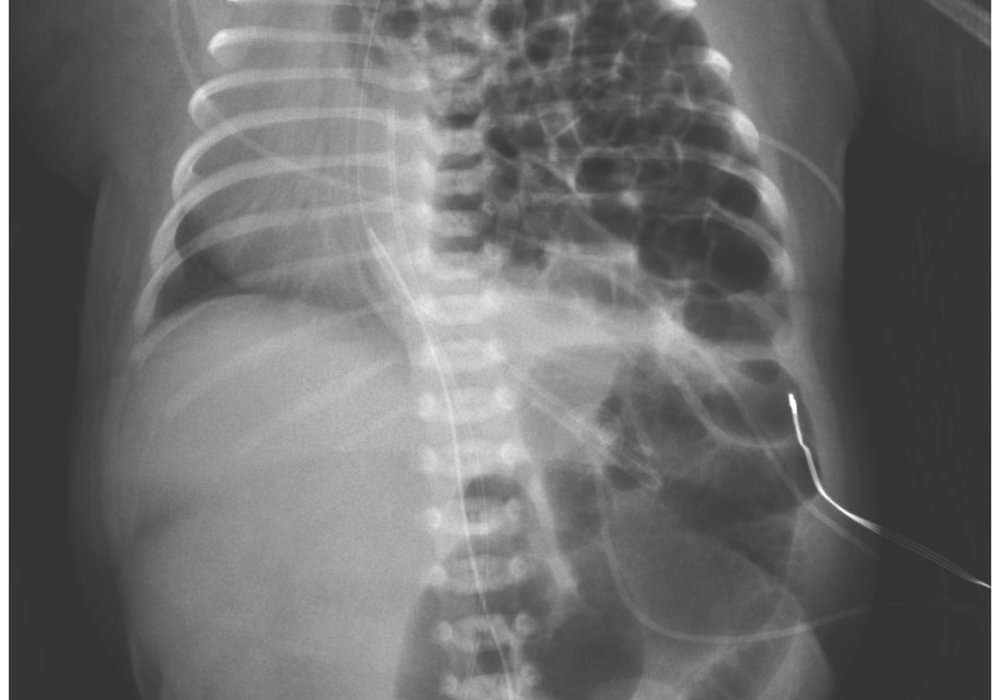
- Chest X-ray: This quick and painless imaging test provides a basic picture of the chest cavity. In a baby with CDH, the X-ray will likely show the presence of air in the abdomen, which shouldn't be there normally, along with a shift of the organs in the chest due to the herniated abdominal contents.
- Echocardiogram (Echo): This ultrasound of the heart uses sound waves to create images. In a CDH case, the echo might reveal a displaced heart due to pressure from the abdominal organs pushing upwards. It can also help assess the baby's heart function, which can be affected by breathing difficulties associated with CDH.
- Arterial Blood Gas (ABG): This blood test measures the amount of oxygen and carbon dioxide present in the blood. With CDH, a baby's oxygen levels might be low due to underdeveloped lungs compressed by the hernia.
- Upper Gastrointestinal (GI) Series (Swallow Study): While not always performed, this X-ray series involves giving the baby a contrast solution to drink and then taking a series of X-rays. This can help visualize any abnormalities in the esophagus, stomach, and intestines.
- Fetal Blood Sampling (cord blood gas): In some cases, if CDH is suspected during delivery, a blood sample might be taken from the umbilical cord to check for low oxygen levels, which can be an indicator of the condition.
These tests, used together, help doctors confirm a CDH diagnosis and determine its severity. In some situations, additional tests might be needed to assess specific concerns.
Looking for Answers: Genetic Testing
Some cases of CDH might be linked to genetic changes. Doctors may recommend genetic testing to understand your baby's DNA better. Around 30% of babies with CDH might have an underlying genetic condition or syndrome.
Here are some of the genetic tests that might be offered:
- Cell-Free Fetal DNA testing: A prenatal screening test that analyzes your blood for fetal DNA. While a positive result suggests potential problems, it needs confirmation with another test.
- Amniocentesis: A prenatal procedure where a small amount of amniotic fluid is extracted and analyzed for genetic abnormalities.
- Karyotype or Microarray: These tests analyze a sample of your baby's blood after birth to look for chromosomal problems.
Understanding CDH can be overwhelming, but with early diagnosis and proper medical care, babies with this condition can have a positive outlook.
Navigating a Congenital Diaphragmatic Hernia Diagnosis: A Guide for Expectant Parents
Being pregnant is a whirlwind of emotions, and receiving a diagnosis of congenital diaphragmatic hernia (CDH) for your unborn baby can be incredibly overwhelming. This guide will walk you through what to expect during pregnancy, delivery, and your baby's initial care.
A Team Approach to Prenatal Care
If a prenatal test reveals CDH, your OB/GYN will likely refer you to a specialized center with a multidisciplinary team. This team might include:
- Maternal-Fetal Medicine specialists: These doctors have advanced training in managing high-risk pregnancies like yours.
- Neonatologists: These are doctors specializing in the care of newborns, including those with complex medical conditions.
- Pediatric and fetal surgeons: These surgeons will be involved in planning and performing any necessary surgery after birth.
- Nurses and nurse coordinators: These dedicated professionals will answer your questions, provide emotional support, and guide you through the entire process.
Close Monitoring Throughout Pregnancy
Your doctor will closely monitor your pregnancy with regular checkups and specialized tests to track your baby's development and health. You'll likely deliver at a hospital equipped to handle high-risk deliveries, ensuring the best possible care for both you and your baby.
Delivery and Initial Care
At delivery, a neonatologist will take over your baby's care, assessing their breathing, heart rate, and any other potential concerns. Your baby will likely spend a brief period in the hospital's Neonatal Intensive Care Unit (NICU) before being transferred to a specialized NICU for comprehensive CDH management.
Helping Your Baby Breathe
- Breathing Tube: To assist with breathing, your baby will receive a breathing tube connected to a ventilator, a machine that provides vital lung support.
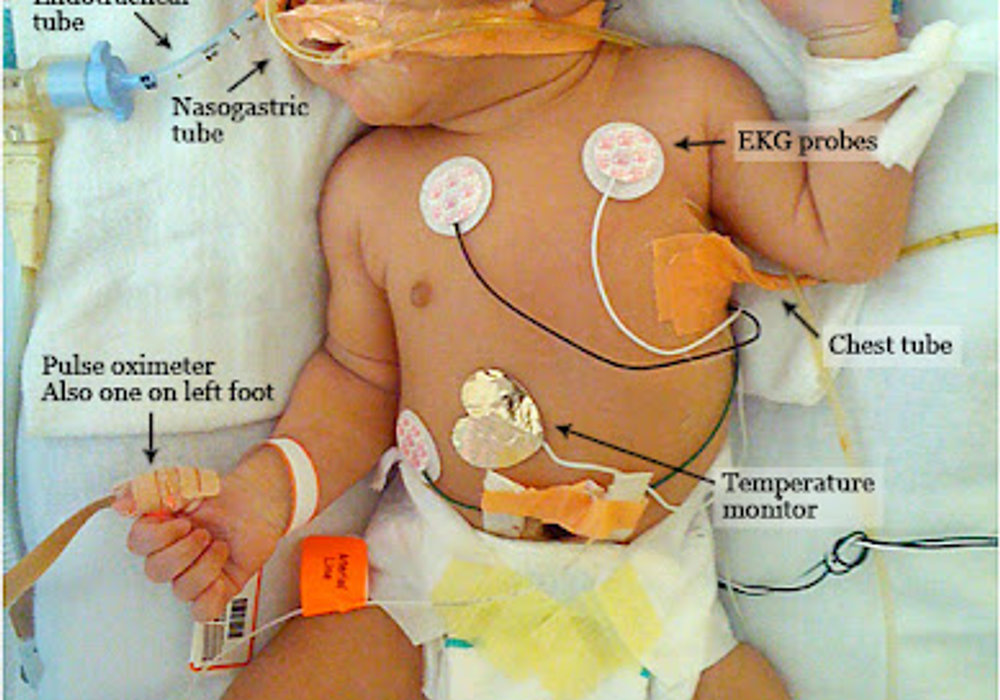
- Nasogastric (NG) or Orogastric (OG) Tube: A feeding tube inserted through the nose or mouth will help keep the stomach empty, reducing pressure on the lungs.
- Intravenous (IV) Fluids and Medications: IVs will provide vital fluids to prevent dehydration and deliver medications like antibiotics to prevent infections, pain relievers for comfort, and medications to manage blood pressure.
Preparing for Surgery
While surgery is necessary for all CDH cases, it's not always immediate. The focus is on stabilizing your baby's breathing and managing pulmonary hypertension (high blood pressure in the lungs) before surgery. This timeframe could range from a few days to several weeks after birth.
Additional Support Measures
- Medications: Specific medications might be used to manage pulmonary hypertension.
- Blood Transfusions: In some cases, blood transfusions might be necessary to support blood pressure and oxygen delivery.
- Ultrasound Monitoring: Regular ultrasounds will be conducted to monitor your baby's heart, kidneys, and brain for any other potential issues.
- Pain Management: Medications will be administered to keep your baby comfortable and minimize any pain or discomfort.
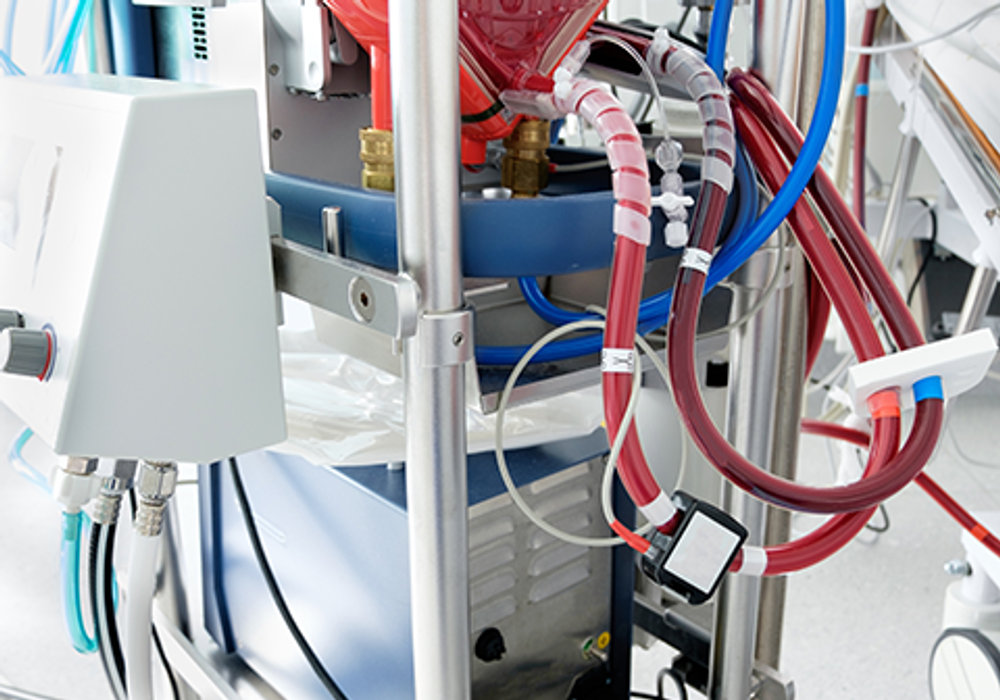
- Extracorporeal Membrane Oxygenation (ECMO): This heart-lung bypass machine might be used for babies with severe lung dysfunction, providing temporary support while their lungs heal.
Building Your Milk Supply
We highly encourage you to begin pumping breast milk right after delivery. Even though your baby won't be able to feed directly initially, establishing your milk supply is crucial for future breastfeeding. Breast milk provides the optimal nutrition and immunological benefits for your baby.
The Surgical Intervention
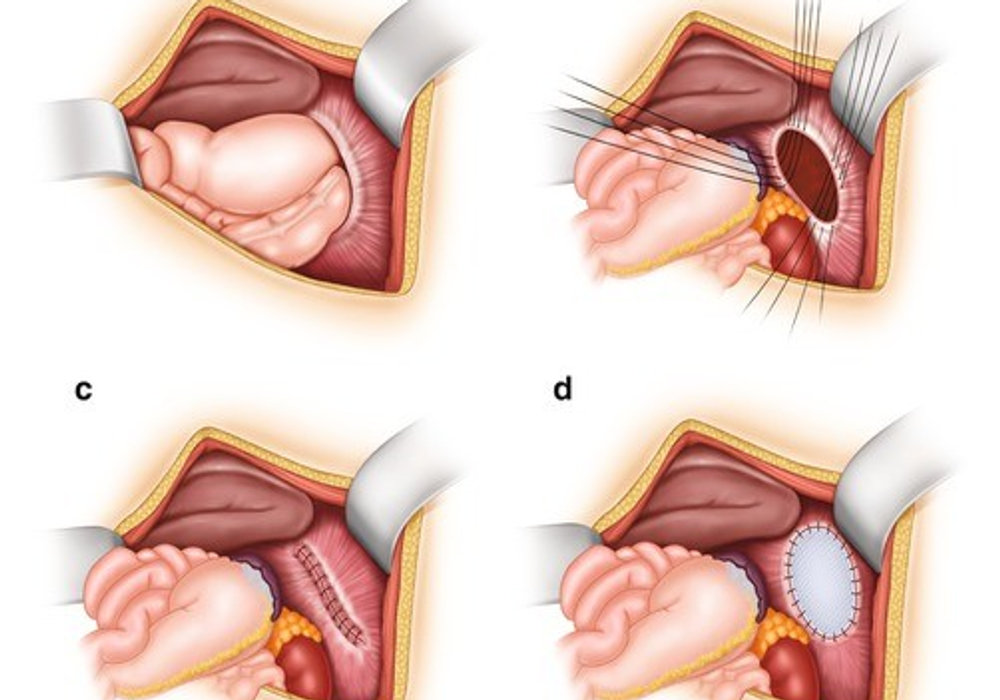
Once your baby is stable, the surgeon will perform the corrective surgery. The procedure involves repositioning the abdominal organs back into the abdominal cavity and closing the diaphragmatic defect. This might involve one larger incision or several smaller ones, depending on the specific situation. In rare cases, if the hole is too large, an artificial patch might be used for closure.
Post-Surgical Care
Following surgery, your baby will continue receiving care in the NICU. They will remain on a ventilator until they can breathe independently. Other forms of support might include:
- Antibiotics to prevent infection
- Nutritional support through a peripherally inserted central catheter (PICC) line
- Oxygen therapy, potentially needing some oxygen support at home
- Medications to manage blood pressure and pain
- Chest tube to drain fluids from the surgical site
- Continued feeding tube support until the intestines heal, gradually transitioning to oral feeding
- Respiratory support with CPAP (continuous positive airway pressure) or a tracheostomy tube (trach) in some cases
The Journey to Feeding
Feeding won't begin until your baby's intestines have fully recovered from surgery, which might take a few weeks. Initially, they will receive breast milk or formula through the feeding tube, gradually increasing the amount as they tolerate it better. Once they can take enough nourishment orally, the PICC line will be removed. Learning to breastfeed or bottle-feed might take a while.
Risk
Sometimes, even though the doctors and nurses do everything they can, the baby’s lungs are too small and underdeveloped for the baby to live. Unfortunately, despite the doctors' and nurses' best care, about 2 or 3 out of 10 babies with CDH die in the newborn period. The medical staff will always keep you informed about your baby’s condition and are available to answer any questions or concerns.
Going Home After CDH Repair: What to Expect
The journey after your baby's CDH (Congenital Diaphragmatic Hernia) surgery doesn't end at the hospital doors. Here's a roadmap to navigate the follow-up care and potential long-term needs your little hero might face.
Hospital Stay:
The length of your baby's hospital stay depends on their individual recovery. If they were born with additional health concerns or experienced complications after surgery, they might require extended care for a few months or even longer.
Follow-Up Visits:
Once home, your baby will become a familiar face at the clinic for regular checkups. This "team" approach will involve monitoring your baby's growth, development, and nutritional intake.
Finding a Local Pediatrician:
Your program coordinator can assist you in finding a local pediatrician who will oversee your baby's routine checkups, vaccinations, and doctor visits. Don't hesitate to ask for help in establishing this crucial connection.
Specialist Follow-Up:
In addition to the pediatrician, you'll likely have follow-up appointments with your baby's surgeon and the neonatal follow-up clinic. The frequency of these visits might increase if your baby goes home with a feeding tube or requires oxygen therapy.
Long-Term Care Considerations:
Babies who have undergone CDH repair are more susceptible to certain long-term challenges:
- Respiratory Issues: Asthma and frequent respiratory infections are potential concerns.
- Feeding Difficulties: Gastrointestinal reflux and ongoing feeding problems might require ongoing management.
- Developmental Delays: Early intervention services like physical or occupational therapy might be necessary to support your child's development, especially if ECMO was used during treatment.
Potential for Recurrence:
In some cases, the hernia might reappear, particularly in babies who required a patch during surgery. If this happens, your child might need additional surgery in the future.
Remember: While these are potential challenges, significant advancements have been made in CDH treatment. With close monitoring and proactive care, your child can lead a healthy and fulfilling life. Don't hesitate to discuss any concerns you have with your baby's healthcare team. They are there to support you and your little champion every step of the way.