What are Ectopic Ureters?
- In normal development, ureters (tubes that carry urine from the kidneys to the bladder) connect to the bladder at a specific location. In ectopic ureters, one or both ureters connect to the bladder in an abnormal position, often outside the bladder wall. They are more common in female with a ratio of 1-2 males per 6 females afflicted with the condition.
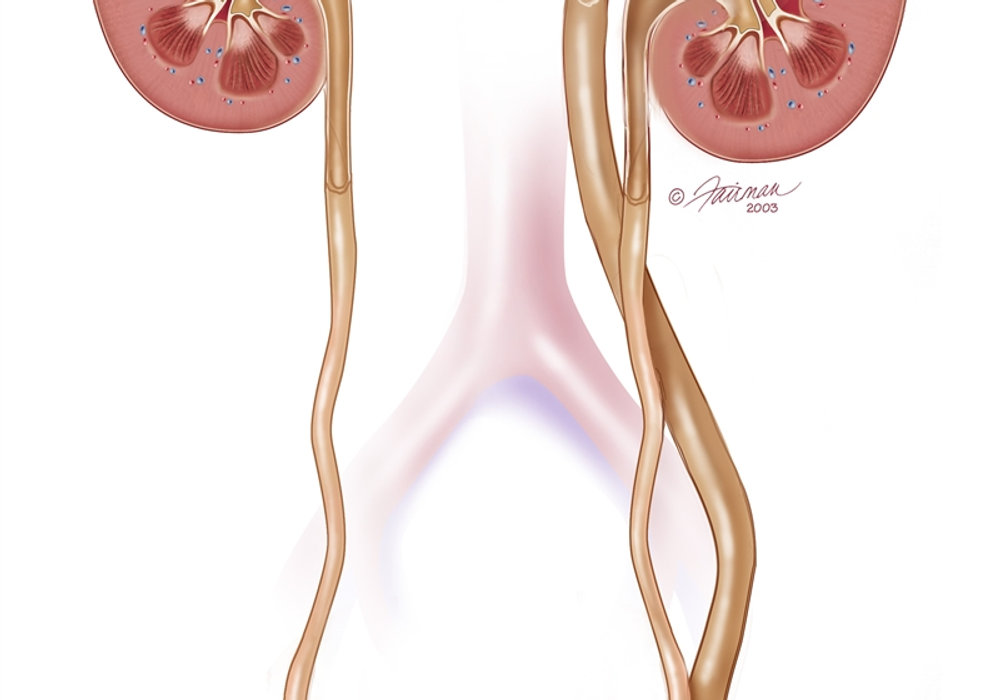
- In normal development, ureters (tubes that carry urine from the kidneys to the bladder) connect to the bladder at a specific location. In ectopic ureters, one or both ureters connect to the bladder in an abnormal position, often outside the bladder wall. They are more common in female with a ratio of 1-2 males per 6 females afflicted with the condition.
Types of Ectopic Ureters:
- Ectopic ureters can be single or duplex. In females, more than 80% of cases are duplex, while in males, more than 75% are single.
- Ectopic ureters can open in the urethra, urethral septum, vaginal vestibule, posterior urethra, seminal vesicle, prostate tube, or ejaculation duct.
- Associated anomalies: Ectopic ureters are often associated with other anomalies, such as renal hypoplasia or dysplasia. In about 60% of cases, urinary tract abnormalities are associated with anorectal malformations.
Clinical Presentation:
- Can vary widely depending on the severity and location of the ectopic ureter.
- May include urinary tract infections (UTIs), urinary incontinence, or even no symptoms at all.
- In severe cases, kidney damage can occur.
Diagnosis:
- Voiding cystourethrogram (VCUG): A specialized X-ray that can visualize the flow of urine from the bladder to the kidneys.
- Renal ultrasound: To assess kidney size and function.
- Cystoscopy: A procedure to directly visualize the inside of the bladder.
- Renal Flow Scan (MAG-3 or DMSA) or Magnetic Resonance Urogram
The kidney or part of the kidney drained by the ectopic ureter often doesn’t work well. In these tests, contrast dye liquid is injected. A special camera is used to spot radioactivity in the dye. MRI (magnetic resonance imaging) can also be used.
Management:
- Observation: In some cases, observation may be sufficient, especially if the child remains asymptomatic.
- Medications: Antibiotics may be prescribed to treat UTIs as also for prophylaxis.
- Surgery: Surgical options may include:
- Endoscopic procedures: To correct the ureteral-bladder junction.
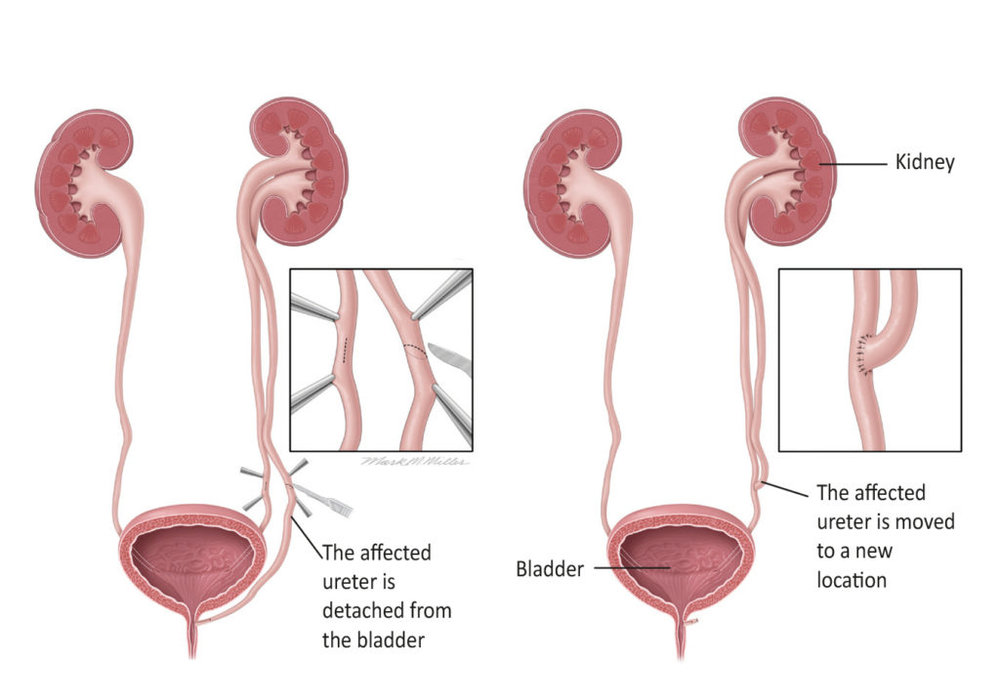
- Open surgery: In more complex cases. These may include Nephrectomy, Uretero-ureterostomy or Ureteric reimplantation if there is associated Vesicoureteral reflux.
Importance of Early Diagnosis:
- Early diagnosis and treatment are crucial to prevent kidney damage and long-term complications.
Key Takeaways:
- Ectopic ureters are an uncommon but important condition in pediatric urology.
- Early diagnosis and appropriate management are essential to prevent kidney damage and ensure optimal long-term outcomes.
- Continued research and advancements in minimally invasive surgical techniques are improving the management of ectopic ureters.
Disclaimer: This information is for general knowledge and educational purposes only and does not constitute medical advice. Always consult with a qualified healthcare professional for diagnosis and treatment.