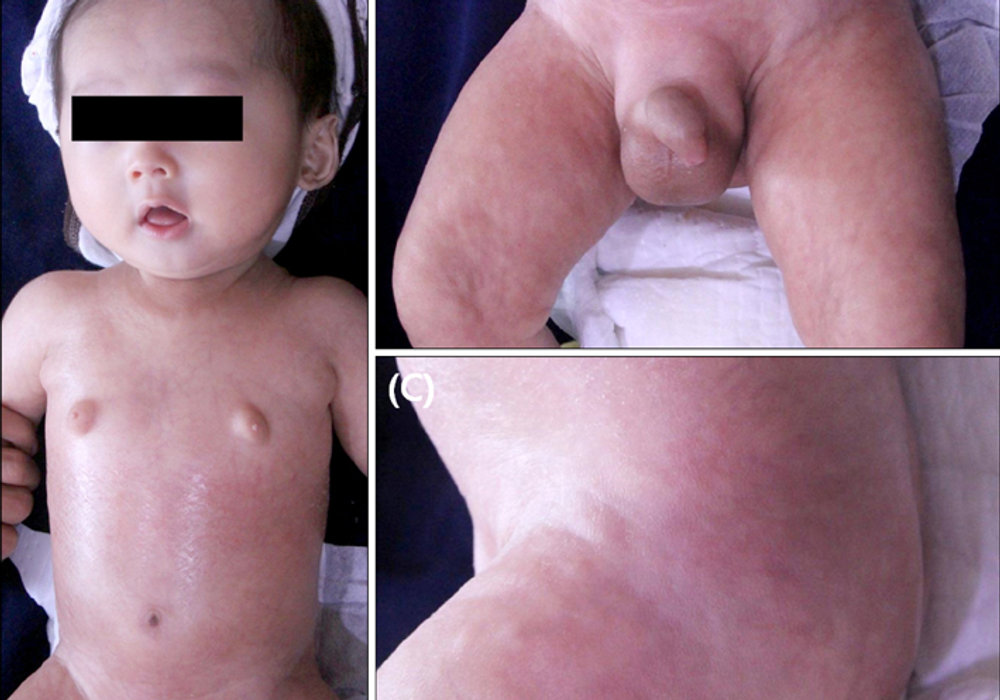
In the rapidly evolving field of pediatric urology, technological advancements continue to reshape treatment approaches and improve patient outcomes. This comprehensive overview examines the latest innovations and their impact on pediatric urological care.
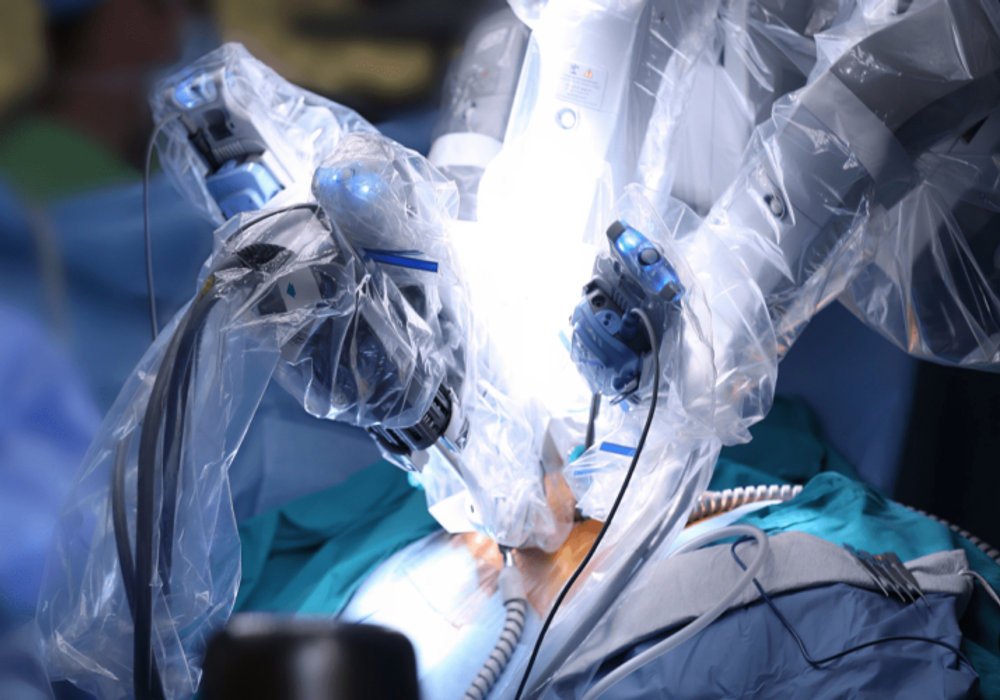
Advanced Robotic Systems
Enhanced Robotic Platforms
- Next-generation surgical robots with improved precision
- Miniaturized instruments specifically designed for pediatric patients
- Enhanced 3D visualization systems
- Haptic feedback integration
- AI-assisted surgical navigation
Clinical Applications
- Complex reconstructive procedures
- Minimally invasive pyeloplasty
- Robotic-assisted bladder augmentation
- Precise tissue handling in delicate procedures
- Reduced operative time and improved ergonomics
Artificial Intelligence Integration
Diagnostic Applications
- Machine learning algorithms for urological imaging interpretation
- Automated bladder function analysis
- Predictive modeling for treatment outcomes
- Early detection of urological abnormalities
- Pattern recognition in complex cases
Treatment Planning
- Personalized surgical approach optimization
- Risk assessment models
- Outcome prediction
- Resource allocation
- Patient-specific protocol development
Advanced Imaging Technologies

3D Visualization
- High-resolution 3D reconstruction
- Virtual reality surgical planning
- Augmented reality surgical guidance
- Real-time imaging integration
- Enhanced anatomical understanding
Functional Imaging
- Advanced urodynamic studies
- Real-time bladder function monitoring
- Neural pathway mapping
- Non-invasive diagnostic tools
- Molecular imaging techniques
Minimally Invasive Innovations
Single-Port Surgery
- Reduced surgical trauma
- Improved cosmetic outcomes
- Faster recovery times
- Enhanced visualization systems
- Specialized pediatric instruments
Laser Technologies

- Precise tissue ablation
- Reduced bleeding risk
- Faster healing times
- Better stone fragmentation
- Improved surgical control
Regenerative Medicine
Tissue Engineering

- Bioengineered bladder tissue
- Urethral reconstruction materials
- Stem cell applications
- Growth factor therapy
- Personalized tissue grafts
Biological Scaffolds
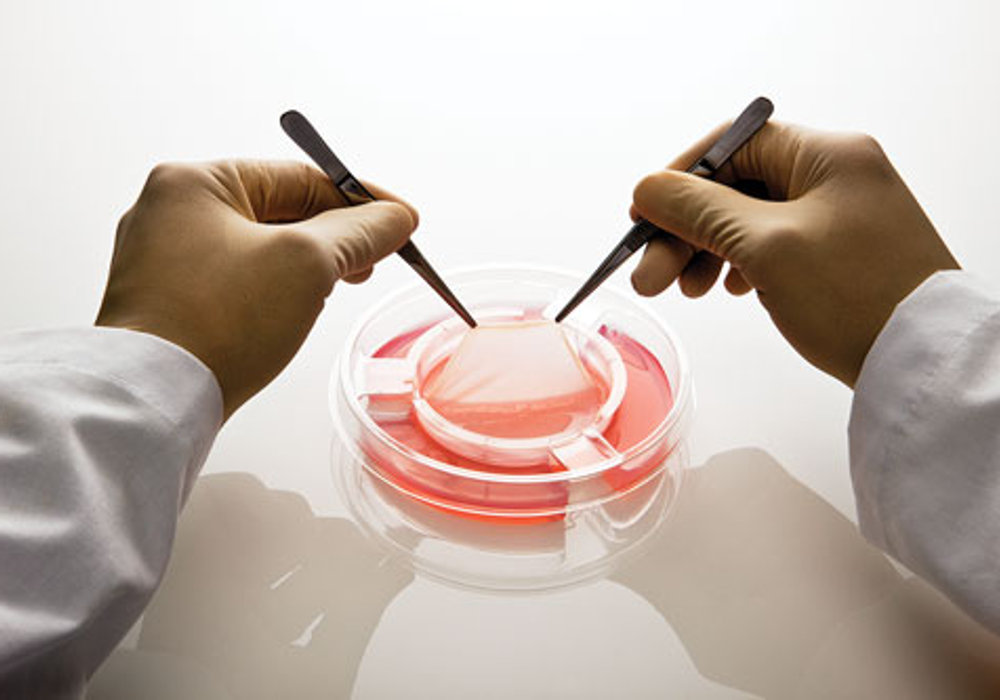
- Advanced biomaterials
- Smart materials responding to biological signals
- Improved tissue integration
- Enhanced healing properties
- Reduced rejection risk
Smart Monitoring Systems
Wearable Technology

- Continuous bladder monitoring
- Real-time urinary tract infection detection
- Remote patient monitoring
- Data collection for research
- Early warning systems
Mobile Applications
- Patient engagement tools
- Treatment adherence tracking
- Symptom monitoring
- Communication platforms
- Educational resources
Novel Treatment Modalities
Gene Therapy
- Targeted genetic interventions
- Personalized treatment approaches
- Novel delivery systems
- Enhanced therapeutic outcomes
- Reduced side effects
Nanotechnology Applications
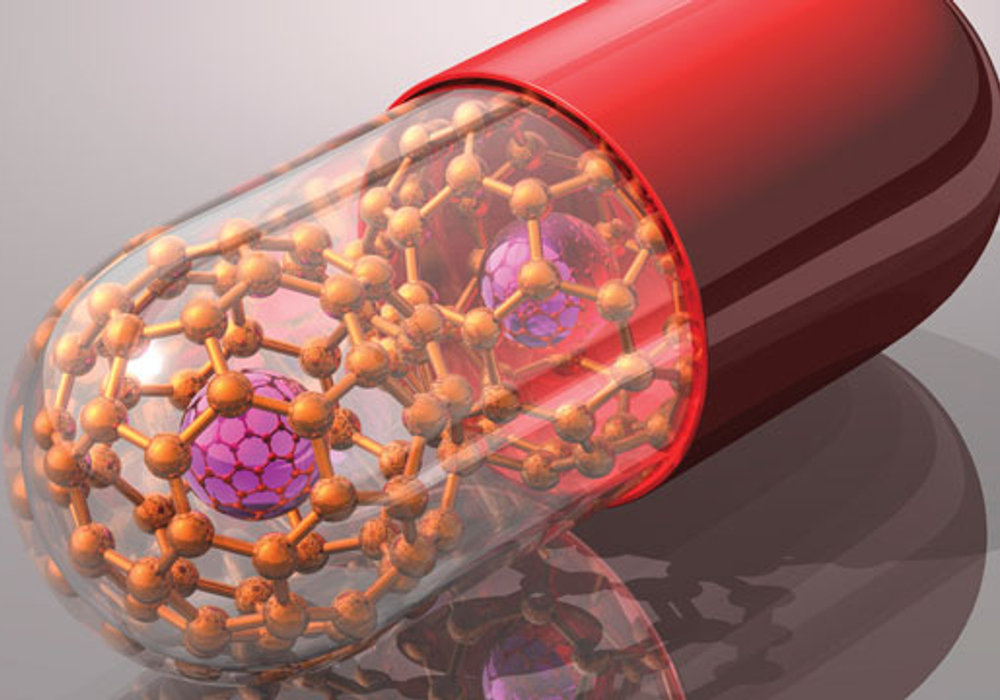
- Precise drug delivery
- Targeted therapeutic agents
- Improved diagnostic accuracy
- Reduced systemic effects
- Enhanced treatment efficiency
Quality of Life Innovations
Patient-Centered Technologies
- Improved catheterization systems
- Better continence management tools
- Enhanced comfort features
- User-friendly designs
- Age-appropriate solutions
Support Systems
- Advanced patient education platforms
- Virtual support networks
- Remote consultation tools
- Family engagement resources
- Treatment tracking systems
Future Directions
Emerging Research Areas

- Biomarker development
- Novel drug delivery systems
- Advanced imaging modalities
- Artificial tissue development
- Precision medicine approaches
Technology Integration
- Seamless data sharing
- Cross-platform compatibility
- Enhanced communication systems
- Improved workflow efficiency
- Better resource utilization
Implementation Considerations
Clinical Integration
- Staff training requirements
- Infrastructure needs
- Cost considerations
- Quality assurance measures
- Outcome monitoring
Safety and Regulation
- Compliance requirements
- Safety protocols
- Risk management
- Quality control
- Ethical considerations
Impact Assessment
Clinical Outcomes
- Improved success rates
- Reduced complications
- Faster recovery times
- Better long-term results
- Enhanced patient satisfaction
Economic Considerations
- Initial investment requirements
- Long-term cost benefits
- Resource optimization
- Return on investment analysis
- Healthcare system impact
Conclusion
The field of pediatric urology continues to advance rapidly, with new technologies offering improved treatment options and better outcomes for young patients. While challenges exist in implementation and adoption, the benefits of these innovations are substantial and promising for the future of pediatric urological care.
Note: As medical technology evolves rapidly, healthcare professionals should verify specific applications and technologies with current medical literature and guidelines for clinical implementation.