Understanding Bladder Exstrophy and Epispadias in Children
Bladder exstrophy and epispadias are birth defects affecting the urinary system and, in some cases, the reproductive organs and abdominal wall. While the exact causes remain unknown, these conditions can be identified prenatally or soon after birth.
Bladder Exstrophy: The Bladder on the Outside
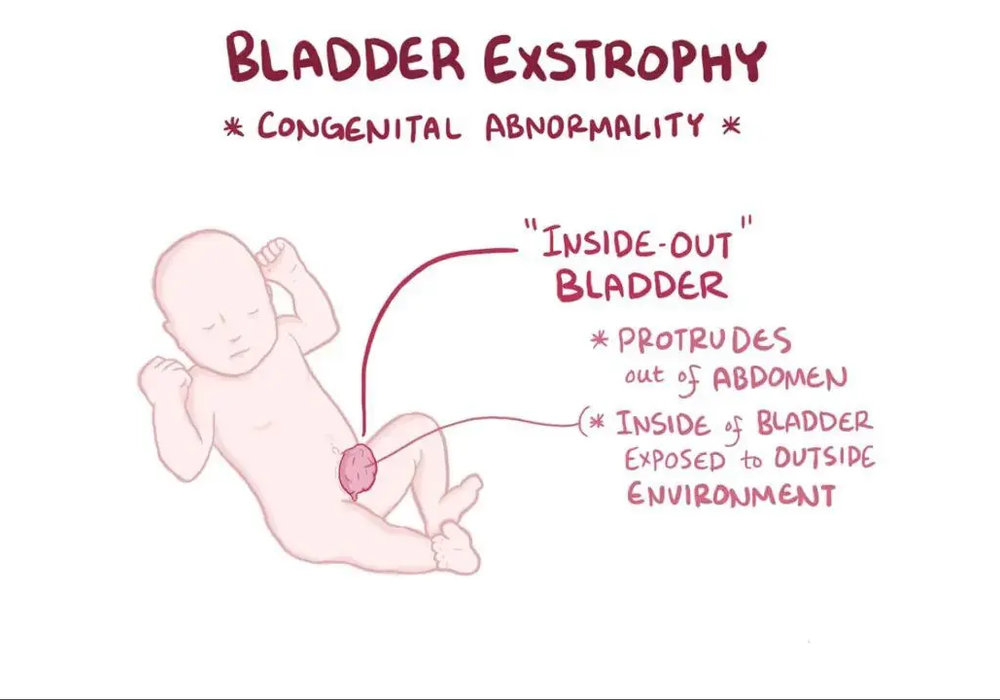
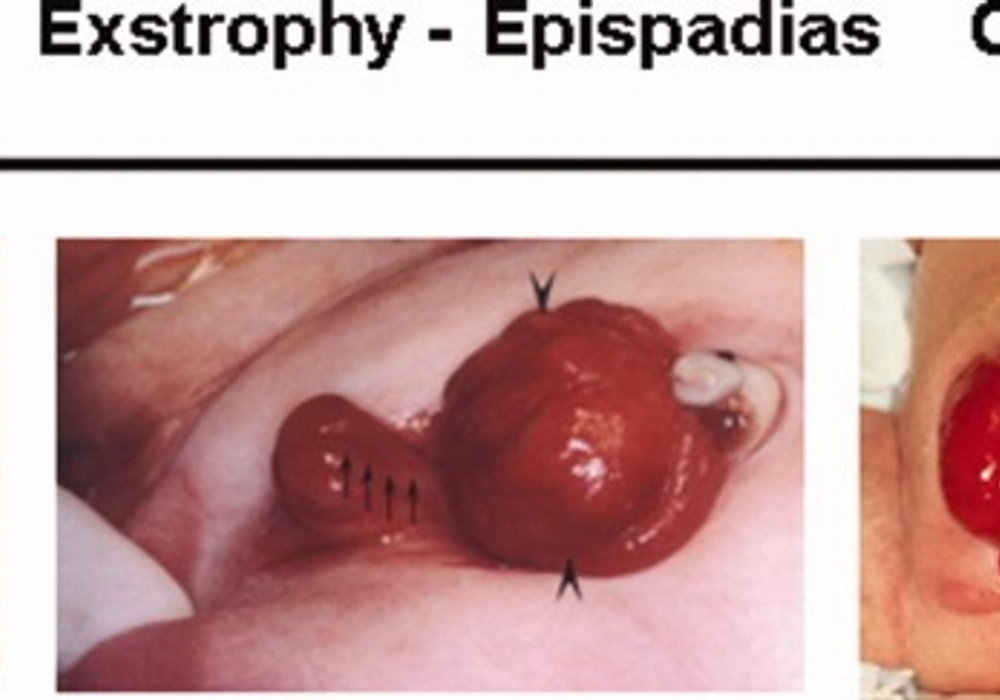
Imagine a baby born with their bladder literally turned inside out. This is bladder exstrophy, a rare condition where the bladder develops abnormally and protrudes through the abdominal wall in the lower belly. This exposed area appears bright pink and lacks the usual muscle and skin covering.
Epispadias: When the Urinary Opening is Misplaced
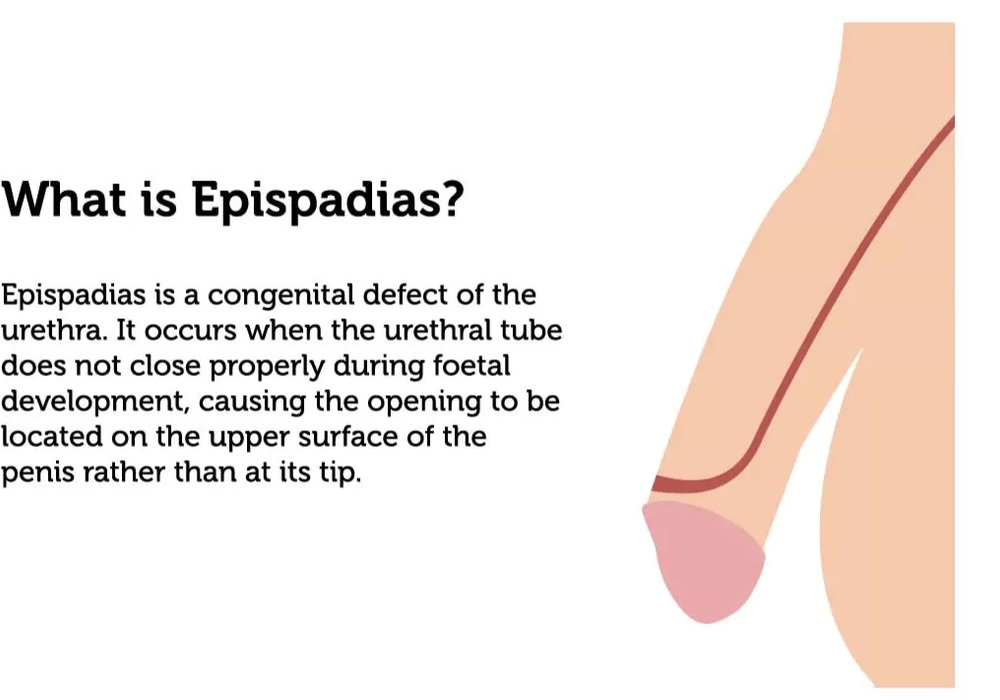
Epispadias is another birth defect that often occurs alongside bladder exstrophy. In this condition, the opening of the urethra, the tube carrying urine out of the body, is located in an abnormal position. For boys, this opening might be on the topside of the penis, sometimes extending along its entire length. In girls, the urethral opening may be higher or longer than usual, potentially positioned near the bladder itself.
Severity Spectrum: A Range of Presentations
The severity of both bladder exstrophy and epispadias can vary significantly. Some children might have milder cases with minimal displacement of the bladder or urethra. However, in more severe presentations, the underlying muscles and bones may also be affected.
Beyond the Bladder: Associated Problems
Children with bladder exstrophy often experience additional complications:
- Widened pubic bones: The bones in the lower pelvis may be abnormally spaced apart.
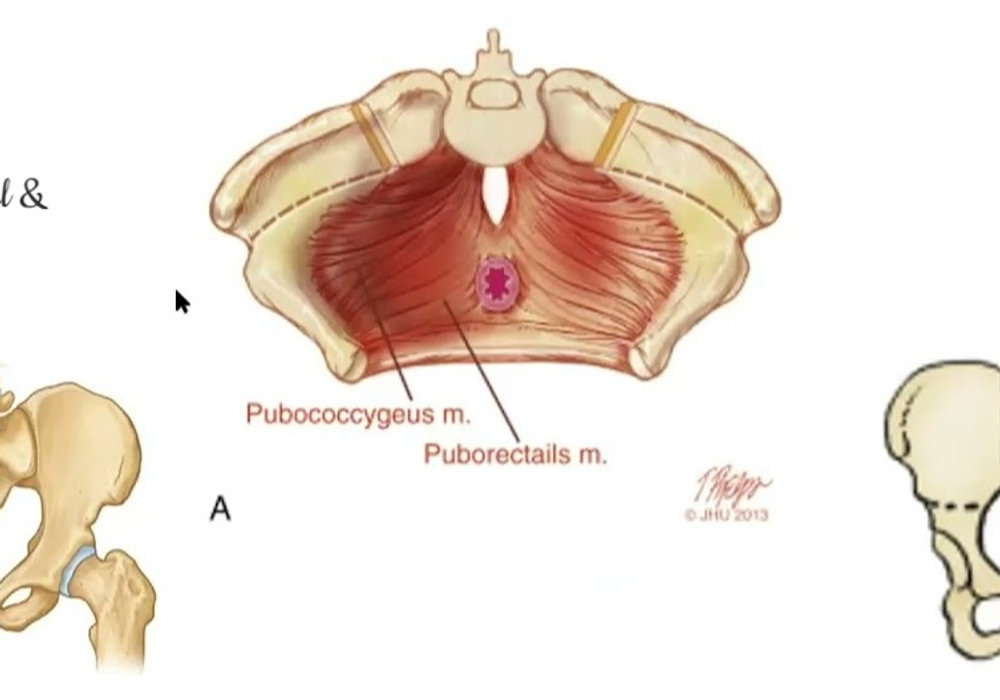
- Leg and foot abnormalities: Legs and feet might be turned outward (outward rotation).
- Abdominal muscle issues: The muscles in the abdomen responsible for core strength may be malformed.
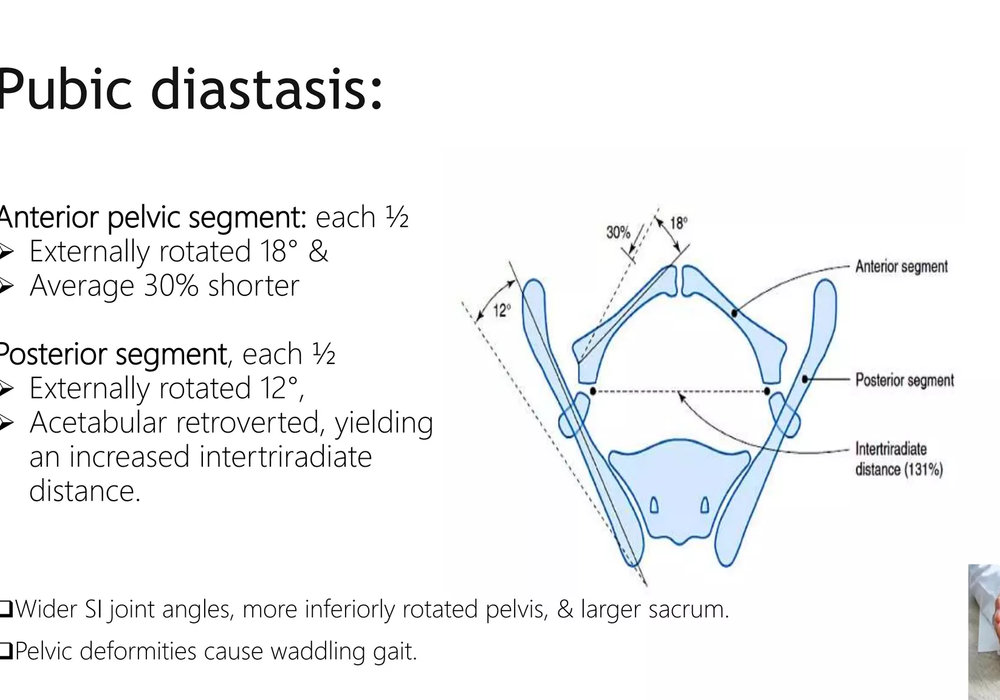
- Belly button displacement: The belly button might not be located in its usual position, sometimes appearing above the exposed bladder.
- Umbilical hernia: A weakness in the abdominal wall near the belly button can lead to a bulge of the intestines (umbilical hernia).
Diagnosis: Prenatal Detection and Postnatal Confirmation
The good news is that bladder exstrophy can often be detected during a prenatal ultrasound, allowing for early planning and intervention after birth. After delivery, a healthcare professional will perform a physical examination to confirm the diagnosis. Imaging tests like X-rays or ultrasounds might also be used to assess the extent of the condition and any associated abnormalities.
Understanding these birth defects is crucial for early diagnosis and proper management, ensuring the best possible outcomes for affected children.
A Multi-Stage Surgical Journey: Treating Bladder Exstrophy and Epispadias in Children
Bladder exstrophy and epispadias are birth defects affecting the urinary system and genitals. While these conditions present significant challenges, multi-stage surgery offers a path towards correction and improved quality of life for children.
Restoring Normal Anatomy: A Phased Approach
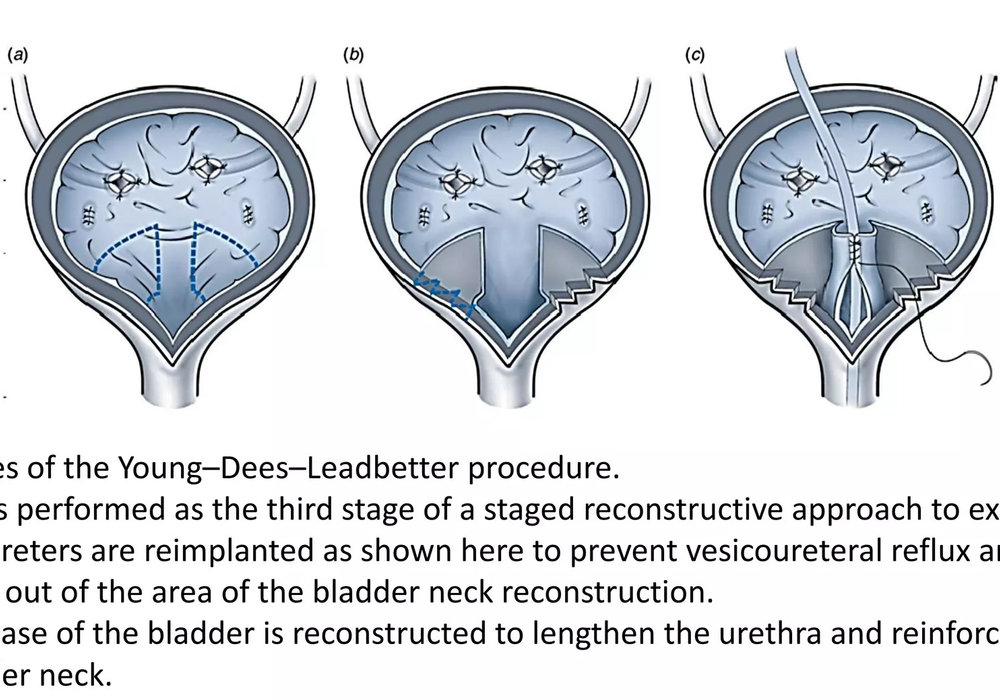
Surgical intervention is the primary treatment for both bladder exstrophy and epispadias. This often involves a series of three staged procedures:
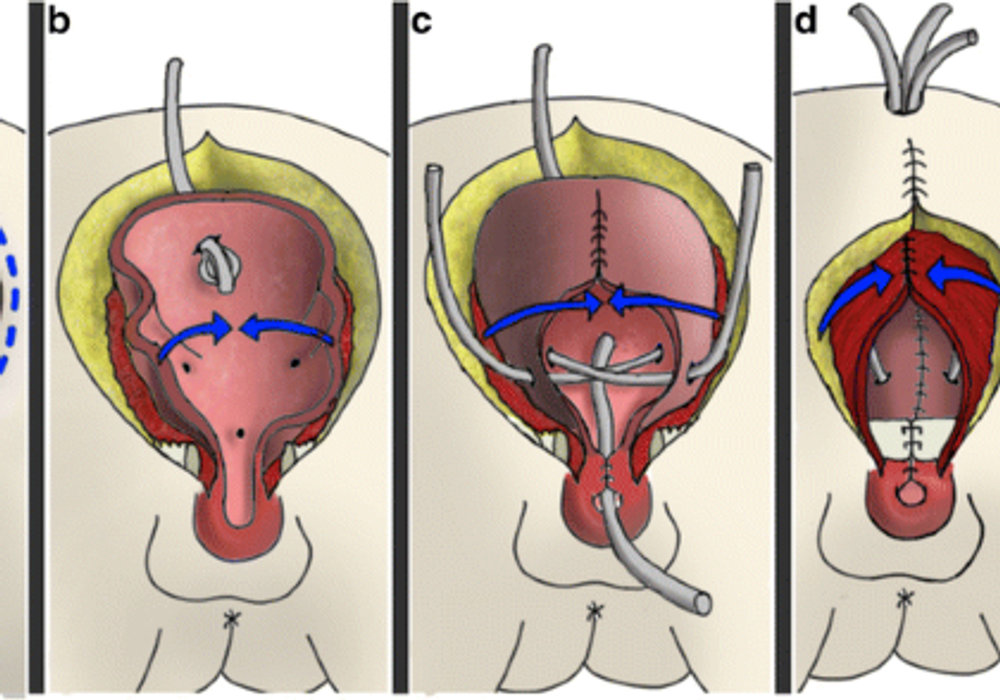
- Stage 1 (Early Intervention): Performed as early as 48 hours after birth, this initial surgery focuses on repositioning the exposed bladder back inside the body. The abdominal wall is then closed to create a more normal appearance.
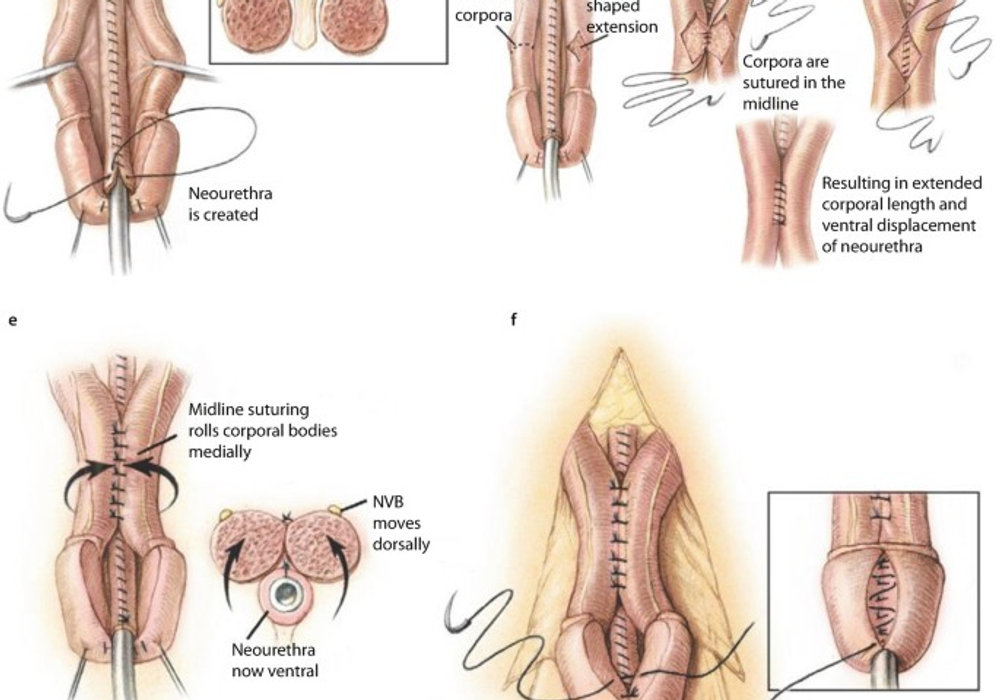
- Stage 2 (Addressing Epispadias and Genital Concerns): Around 6 months of age, the second stage corrects epispadias, where the urethral opening is misplaced. This surgery may also address other genital anomalies associated with these conditions.
- Stage 3 (Urinary Tract Reconstruction): The final stage, typically performed between ages 4 and 5, coincides with the child's increasing bladder capacity and readiness for urinary control. This surgery reconstructs the entire urinary tract, including the bladder and the tubes that carry urine (ureters).
Open Communication is Key
Discussing the details of each stage, potential risks, benefits, and side effects with your child's healthcare provider is crucial. This collaborative approach ensures you're well-informed and prepared to support your child throughout the treatment process.
Potential Long-Term Effects: Importance of Management
While surgery aims to achieve normal urinary function, some children may still experience incontinence (lack of bladder control). Newer surgical techniques have significantly improved continence rates, but ongoing management might be necessary. Additionally, long-term complications like urinary tract damage or kidney problems are possibilities. In rare cases, fertility issues may arise in adulthood.
Early Intervention and Monitoring
If you notice any of the following in your child, prompt medical attention is essential:
- Persistent or worsening symptoms
- Development of new symptoms
A Brighter Future Through Treatment
Bladder exstrophy and epispadias can be daunting diagnoses. However, with advancements in surgical techniques and a staged approach to treatment, children affected by these conditions have a promising outlook. Early intervention, open communication with your child's healthcare team, and ongoing monitoring are key factors in achieving the best possible outcome.