Extremely Premature Babies: Tiny Tots Facing Big Challenges
Being born too early comes with a range of health risks for newborns. But for babies born before 28 weeks of pregnancy, the challenges are especially significant. These extremely premature infants, often called "preemies," face a fight for survival from the very beginning.
Early Arrivals, Big Hurdles
Most premature babies arrive just a few weeks early. While they might be underweight, their organs are usually developed enough for them to have a good chance of survival with some medical support. However, extreme prematurity presents a different scenario.
Underdeveloped and Underweight
These tiny fighters typically weigh less than two pounds at birth. Their critical organs, including the lungs, heart, digestive system, and even the brain, may not be fully formed, making it difficult for them to function independently. This often necessitates intensive medical care in the first crucial days and weeks of life.
Risk Factors and Causes
The exact cause of extreme prematurity often remains unclear. However, certain factors can increase the risk of a baby being born too early, including:
- Previous Preterm Birth: If you've delivered a premature baby before, you have a higher chance of experiencing it again.
- Multiple Births: Carrying twins, triplets, or more babies puts additional strain on the uterus, increasing the risk of early delivery.
- Cervical or Uterine Abnormalities: Physical issues with the cervix or uterus can contribute to premature labor.
- Maternal Age: Women under 20 or over 35 are more likely to have premature births.
- Chronic Health Conditions: Preexisting health problems like heart disease or kidney disease in the mother can be risk factors.
- Lifestyle Choices: Smoking and illegal drug use can significantly increase the risk of premature birth.
- Racial Disparities: African-American women are statistically more likely to experience premature deliveries compared to other ethnicities. However, it's important to remember that a premature birth can happen to anyone.
Pregnancy Complications and Prematurity
Certain pregnancy complications can also raise the risk of early delivery. These include:
- Infections
- High Blood Pressure
- Diabetes
- Blood Clotting Problems
- Placental Abnormalities
- Vaginal Bleeding
- Short Interval Between Pregnancies
Diagnosis and Monitoring
Once a baby arrives before 28 weeks, they are classified as extremely premature. In the Neonatal Intensive Care Unit (NICU), they'll undergo various tests and monitoring procedures, including:
- Tracking breathing and heart rate
- Monitoring fluid intake and output
- Blood tests
- Echocardiogram (heart ultrasound)
- Brain and abdominal organ ultrasounds
- Eye exams
Additional specialized tests may be required depending on any complications that arise.
Treatment for Extreme Prematurity
Treatment for any premature baby is tailored to their specific needs and overall health. Here are some common forms of supportive care for extremely premature infants:
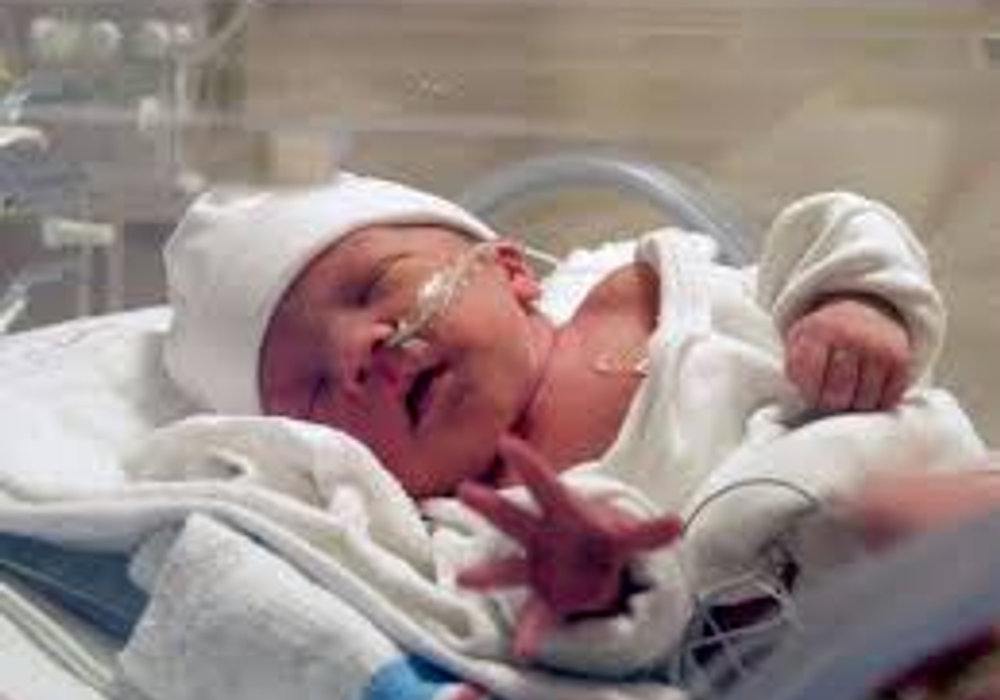
- Incubation to maintain body temperature
- Vital sign monitoring
- Feeding tube for nourishment
- Fluid replacement
- Phototherapy for jaundice
- Blood transfusions
Medications might also be used to help the lungs, heart, and circulatory system function properly. In some cases, surgery may be necessary.
Prevention is Key
While advanced neonatal care has significantly improved the survival rate of extremely premature babies, prevention remains the best strategy. Here's what you can do:
- Prioritize Prenatal Care: Regular prenatal checkups are crucial for monitoring your baby's development and identifying any potential risks.
- Maintain a Healthy Lifestyle: Smoking cessation, avoiding alcohol, and adopting healthy habits all contribute to a healthy pregnancy.
- Know Your Risk Factors: Be aware of any factors that might increase your risk of premature labor.
- Learn the Warning Signs: Familiarize yourself with the symptoms of preterm labor.
- Seek Prompt Treatment: If you experience any signs of preterm labor, get medical attention immediately.
In some cases, your doctor may recommend progesterone supplementation if you're at high risk for premature birth.
By understanding the challenges of extreme prematurity and taking preventive measures, we can give these tiny fighters the best chance at a healthy start in life.