
Our bodies are intricately designed to respond to the world around us. The nervous system, acting as our internal control center, plays a crucial role in this response. Polyvagal theory, an extension of the traditional understanding of the nervous system, sheds light on how our nervous system states influence our emotions, behaviors, and overall well-being. Polyvagal therapy, informed by this theory, offers a powerful approach to healing from trauma and promoting resilience.
Understanding the Polyvagal Theory:
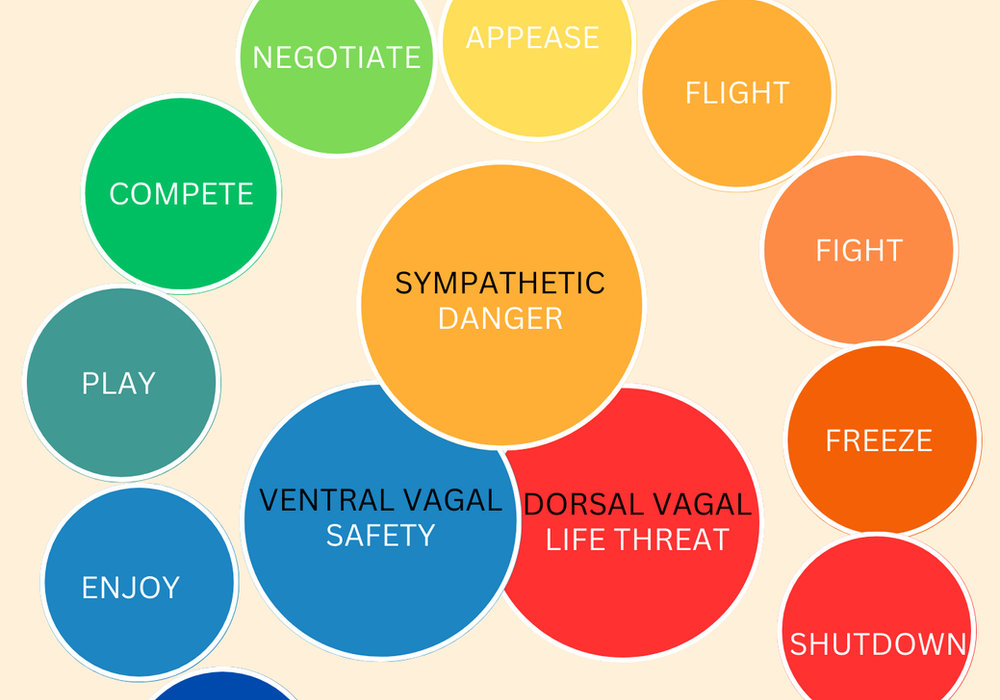
The polyvagal theory expands on the fight-or-flight response by introducing the concept of three hierarchically organized circuits within the nervous system:
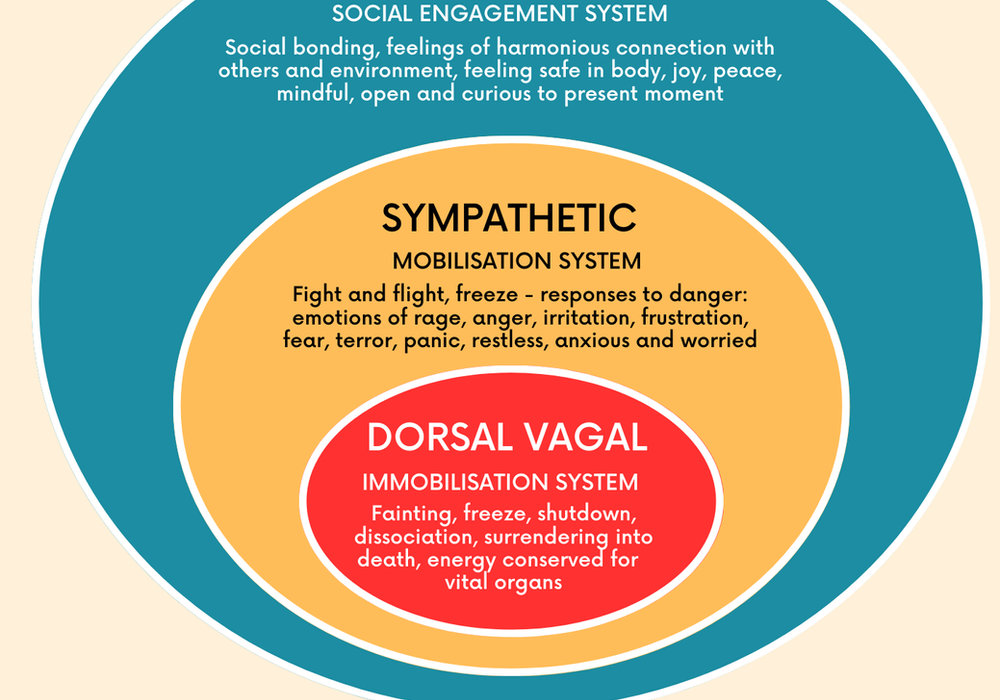
- The Myelinated Vagus System: This circuit promotes a state of social engagement and connection, allowing us to feel safe and secure.
- The Sympathetic Nervous System: This "fight-or-flight" circuit activates in response to perceived threats, preparing us to take action.
- The Unmyelinated Vagus System: This circuit, our most primitive survival mechanism, triggers a shutdown response when we feel overwhelmed, leading to dissociation or immobilization.
How Trauma Impacts the Nervous System:
Trauma can disrupt the natural functioning of the nervous system, leaving us stuck in a state of hypervigilance (fight-or-flight) or dissociation (shut down). This can manifest as anxiety, depression, chronic pain, and difficulty with relationships.
Polyvagal Therapy: A Path to Healing:
Polyvagal therapy aims to help individuals reconnect with their safe and social state (myelinated vagus system). This is achieved through various techniques, including:
- Body Awareness Exercises: Learning to identify and regulate physical sensations associated with different nervous system states.
- Mindfulness Practices: Developing present-moment awareness and reducing emotional reactivity.
- Co-regulation: Building safe and supportive relationships to promote feelings of safety and security.
The Benefits of Polyvagal Therapy:
- Reduced Anxiety and Stress: By regulating the nervous system, polyvagal therapy can help alleviate symptoms of anxiety and stress.
- Improved Emotional Regulation: Individuals learn to manage their emotions more effectively.
- Enhanced Relationships: Feeling safe and secure fosters more healthy and fulfilling relationships.
- Increased Resilience: Polyvagal therapy equips individuals with tools to navigate stress and challenges more effectively.
Polyvagal therapy is not a quick fix, but it can be a powerful tool for healing from trauma and fostering well-being. If you've experienced trauma and are looking for ways to move forward, consider exploring this approach with a qualified therapist.
Here are some additional resources you may find helpful:
- The Polyvagal Theory by Stephen W. Porges, PhD
- The National Center for PTSD: https://www.ptsd.va.gov/
- The International Society for Neuroregulation and Research: https://isnr.org/