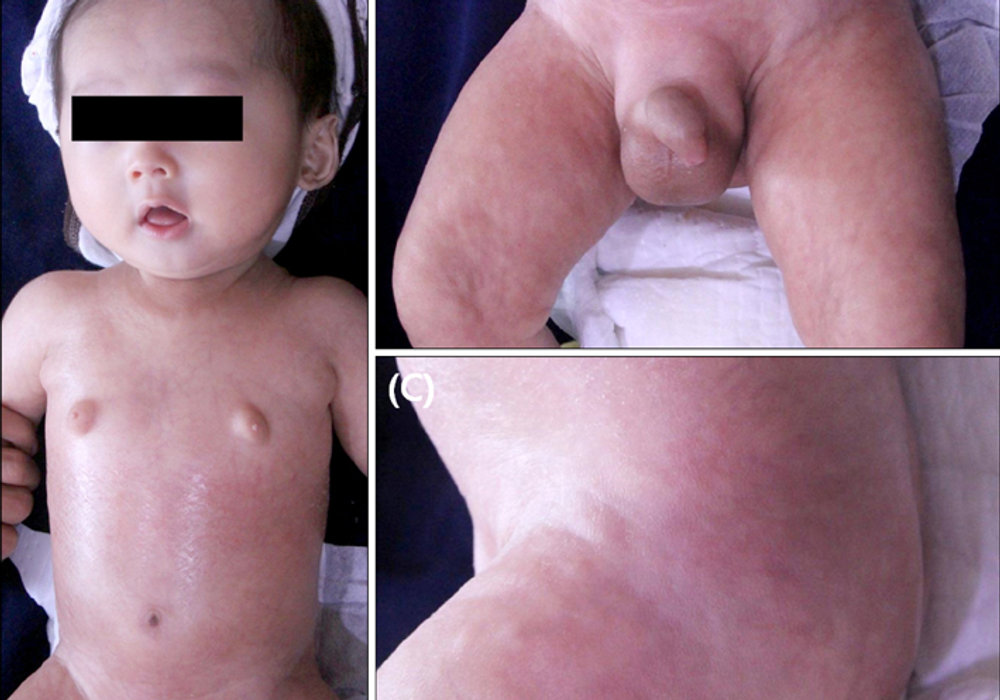
Hypospadias is a congenital condition that affects the development of the penis in boys. In a healthy penis, the opening of the urethra (the tube that carries urine from the bladder to outside the body) is located at the tip, also known as the glans penis. However, in boys with hypospadias, the urethral opening is located on the underside of the penis at some point between the glans and the scrotum.
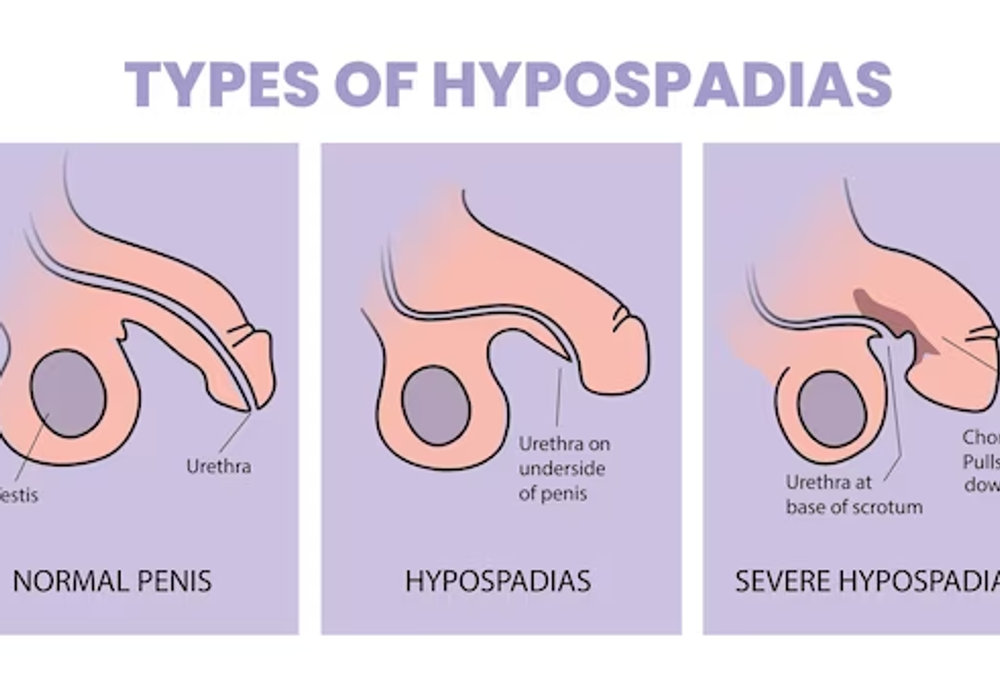
This blog post aims to be a comprehensive guide for parents who have a son diagnosed with hypospadias. We'll explore the causes, types, symptoms, diagnosis, and treatment options for this condition.
Understanding Hypospadias:
The development of the penis in a male fetus occurs between weeks 8 and 14 of pregnancy. During this critical period, the tissues around the urethra fuse together to form the complete structure of the penis. In hypospadias, this process doesn't happen entirely normally, resulting in the misplaced urethral opening.
Types of Hypospadias:
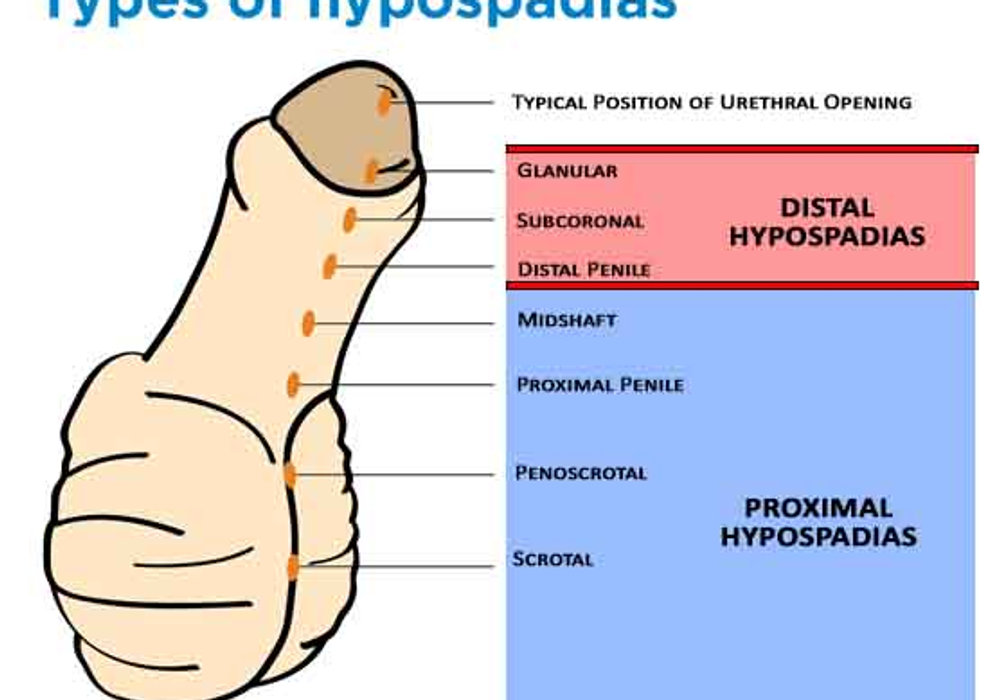
The severity of hypospadias can vary depending on the location of the urethral opening. Here's a breakdown of the different types:
- Glandular Hypospadias: The urethral opening is located on the glans penis itself, very close to the tip.
- Coronal Hypospadias: The opening is on the upper shaft of the penis, near the head (corona).
- Penile Hypospadias: The opening is located along the shaft of the penis, further down from the corona.
- Perineal Hypospadias: The rarest and most severe form, where the opening is located on the underside of the scrotum.
Symptoms of Hypospadias:
The most obvious symptom of hypospadias is the abnormal location of the urethral opening. Additionally, boys with hypospadias might experience:
- Downward curving of the penis (chordee): This can make urination difficult and cause discomfort.
- Difficulty urinating in a straight stream: The urine flow might be forked or sprayed due to the misplaced opening.
- Tight foreskin (phimosis): This can be present in some cases of hypospadias.
Causes of Hypospadias:
The exact cause of hypospadias remains unknown. However, several factors are believed to play a role, including:
- Genetics: A family history of hypospadias increases the risk.
- Hormonal imbalances: Exposure to certain hormones during fetal development might be a contributing factor.
- Environmental factors: Some studies suggest a link between maternal exposure to certain medications or chemicals during pregnancy and hypospadias.
Diagnosis of Hypospadias:
Hypospadias is usually diagnosed during a physical examination shortly after birth. The doctor will examine the penis and determine the location of the urethral opening. Additional tests, such as an ultrasound, might be conducted to rule out other underlying conditions.
Treatment Options for Hypospadias:
Hypospadias doesn't always require surgery. In mild cases, the misplaced opening might not cause any functional problems. However, surgery is often recommended for:
- Correcting the location of the urethral opening.
- Straightening the penis if there's a curve (chordee).
- Repairing tight foreskin (phimosis) if present.
Surgery for hypospadias is typically performed between the ages of 6 months and 2 years. The type of surgery will depend on the severity of the condition. Minimally invasive techniques are preferred whenever possible.
Living with Hypospadias:
With proper diagnosis and treatment, most boys with hypospadias can lead healthy and normal lives. Early intervention and surgery can correct any functional problems and improve their urinary function.
If you have any concerns about your son's development, including the possibility of hypospadias, consult a pediatric urologist. They can provide a proper diagnosis, discuss treatment options, and answer all your questions.
Additional Resources:
- Urology Care Foundation: https://www.urologyhealth.org/urology-a-z
- American Academy of Pediatrics: https://publications.aap.org/pediatricsinreview/article/30/6/235/35692/Hypospadias
- National Institute of Child Health and Human Development: https://www.ncbi.nlm.nih.gov/pmc/articles/PMC5352742/
Disclaimer: This blog post is for informational purposes only and should not be a substitute for professional medical advice. Always consult with your child's pediatrician or pediatric urologist for diagnosis and treatment of hypospadias.