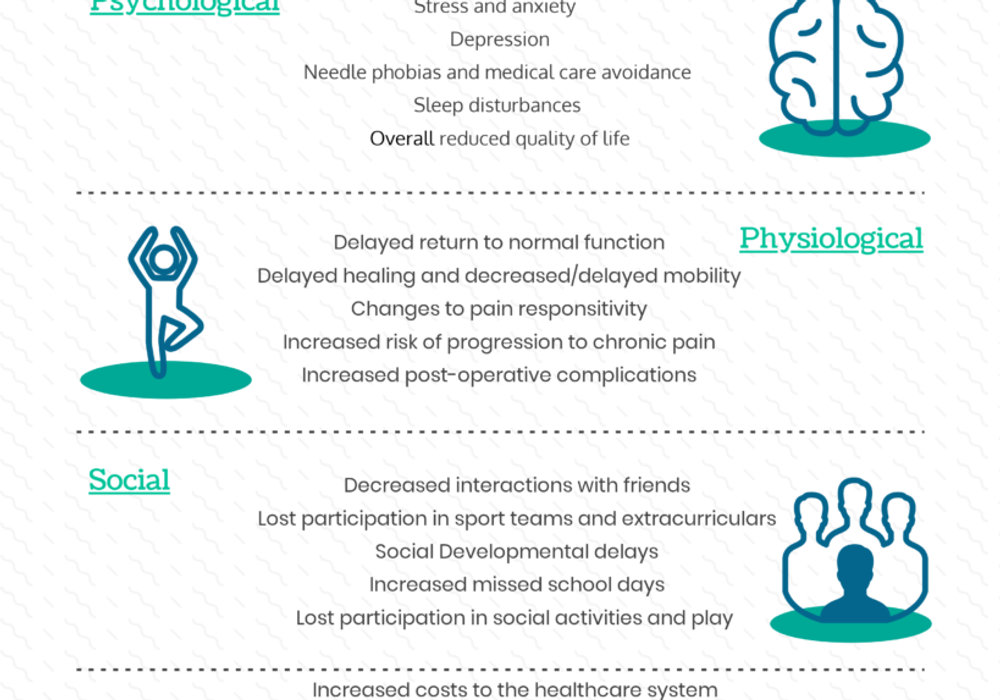
Pain management in pediatric surgery patients is a critical aspect of providing optimal care. By effectively managing pain, we can improve patient comfort, reduce stress, and facilitate a smoother recovery process. Here are some key strategies for managing pain in pediatric surgery patients:

Pre-Operative Pain Management:
- Education and Anxiety Reduction: Preparing children for surgery can help alleviate anxiety and reduce pain perception.
- Pain Assessment Tools: Using age-appropriate pain assessment tools can help identify and address pain before and after surgery.
- Preemptive Analgesia: Administering pain medication before surgery can help prevent breakthrough pain.
Intraoperative Pain Management:
- Anesthesia Techniques: Choosing appropriate anesthesia techniques can minimize pain during surgery.
- Regional Anesthesia: Techniques like nerve blocks can provide targeted pain relief.
Post-Operative Pain Management:
- Multimodal Analgesia: Combining different types of pain medication can provide more effective relief with fewer side effects.
- Patient-Controlled Analgesia (PCA): Allowing children to self-administer pain medication can empower them and improve pain control.
- Non-Pharmacological Interventions: Complementary therapies like massage, acupuncture, and relaxation techniques can aid in pain management.

Addressing Pain in Children with Developmental Delays or Disabilities:
- Tailored Approaches: Individualize pain management plans based on the child's specific needs and abilities.
- Communication Strategies: Use alternative communication methods to assess pain in children with developmental delays.
The Importance of Compassionate Care:
- Empathy and Understanding: Acknowledge children's pain and fears, and provide reassurance and support.
- Family Involvement: Include families in the pain management plan to ensure continuity of care.