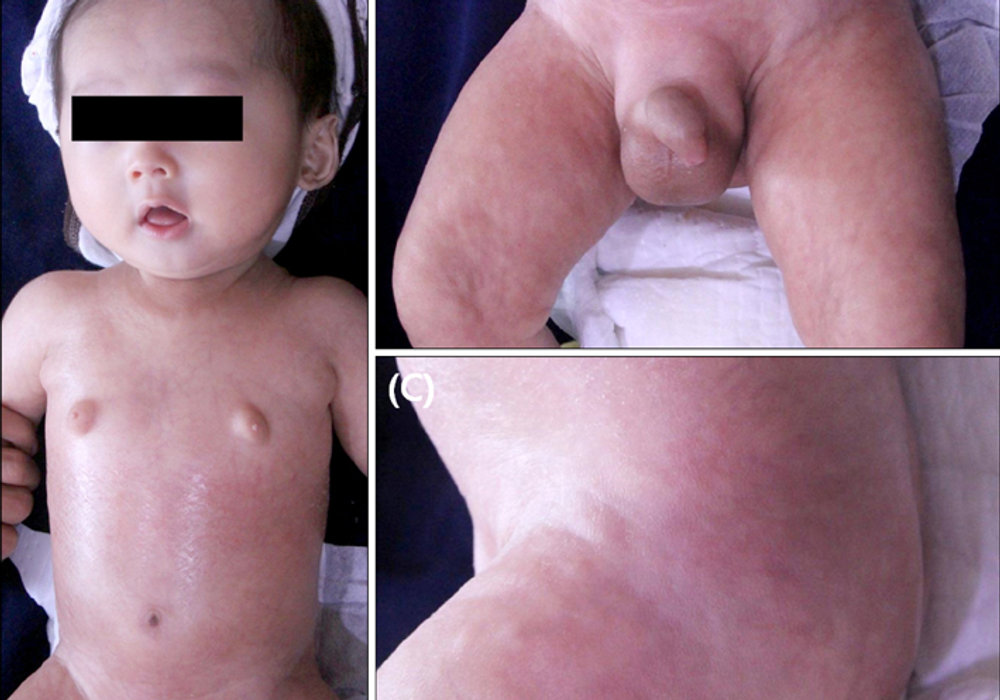
As parents, watching our children struggle with health challenges can be overwhelming. Neurogenic bladder and bowel dysfunction (NBBD) in children is a complex condition that affects both urinary and bowel function, impacting daily life for both children and their families. This comprehensive guide will help you understand, manage, and support your child through their journey with NBBD.
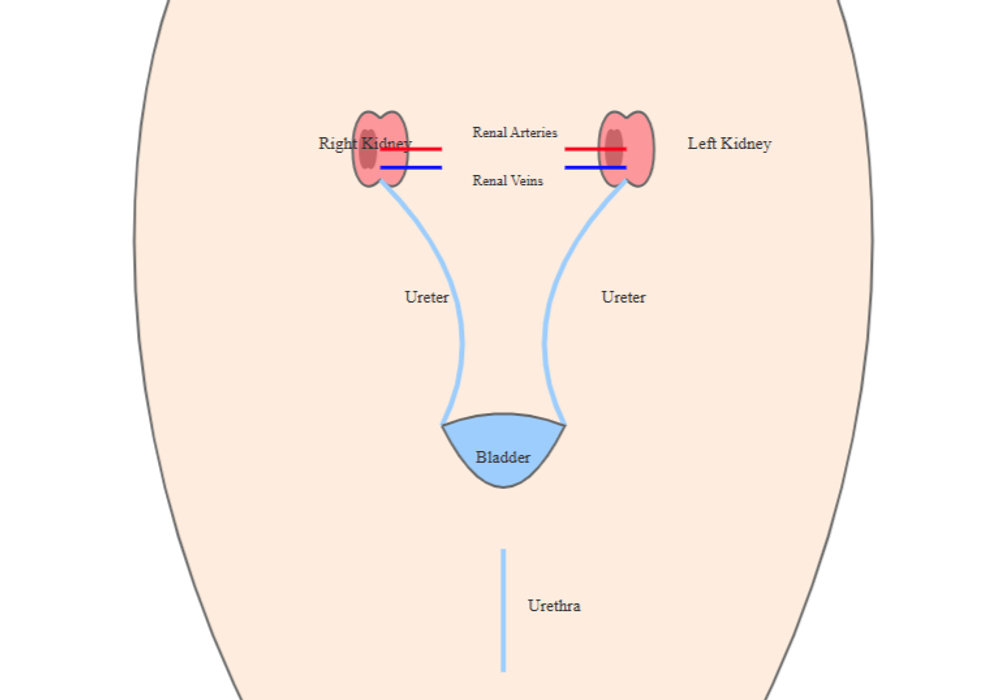
What is Neurogenic Bladder and Bowel Dysfunction?
NBBD occurs when there's a disruption in the communication between the nervous system and the bladder or bowel. This disruption can lead to various complications in how the bladder and bowels function, affecting a child's ability to store and empty urine and stool properly.
Common Causes
- Spina bifida
- Spinal cord injuries
- Tethered cord syndrome
- Brain injuries
- Cerebral palsy
- Neural tube defects
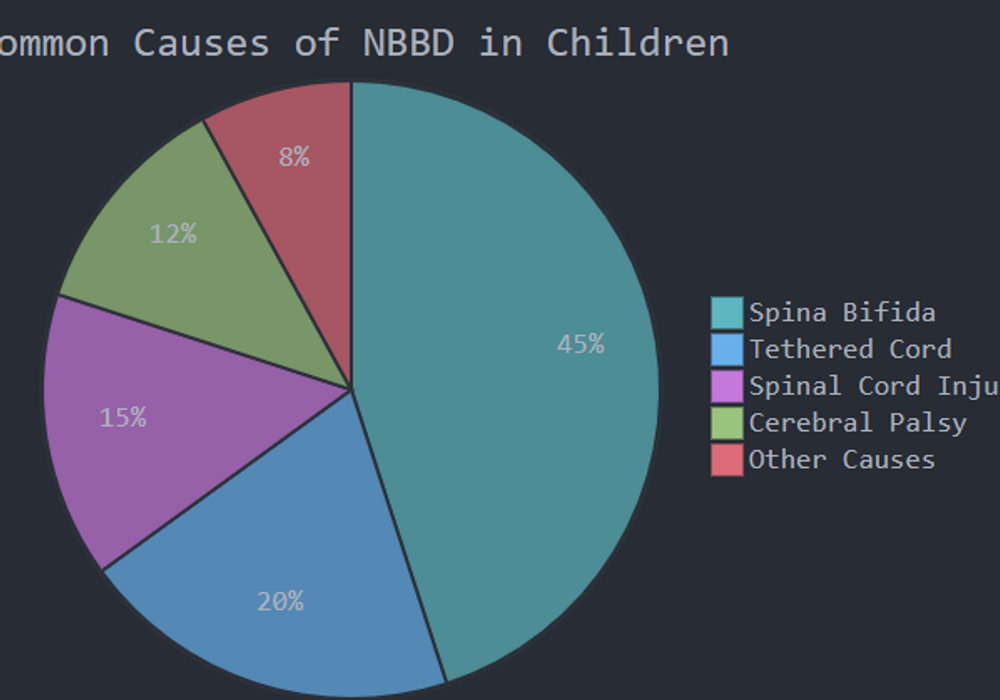
Prevalence of NBBD Causes in Children
Signs and Symptoms
Bladder Symptoms:
- Urinary incontinence
- Frequent urinary tract infections
- Difficulty emptying the bladder
- Urinary retention
- Frequent urination
Bowel Symptoms:
- Constipation
- Fecal incontinence
- Difficulty with bowel movements
- Poor bowel control
Progression of Symptoms
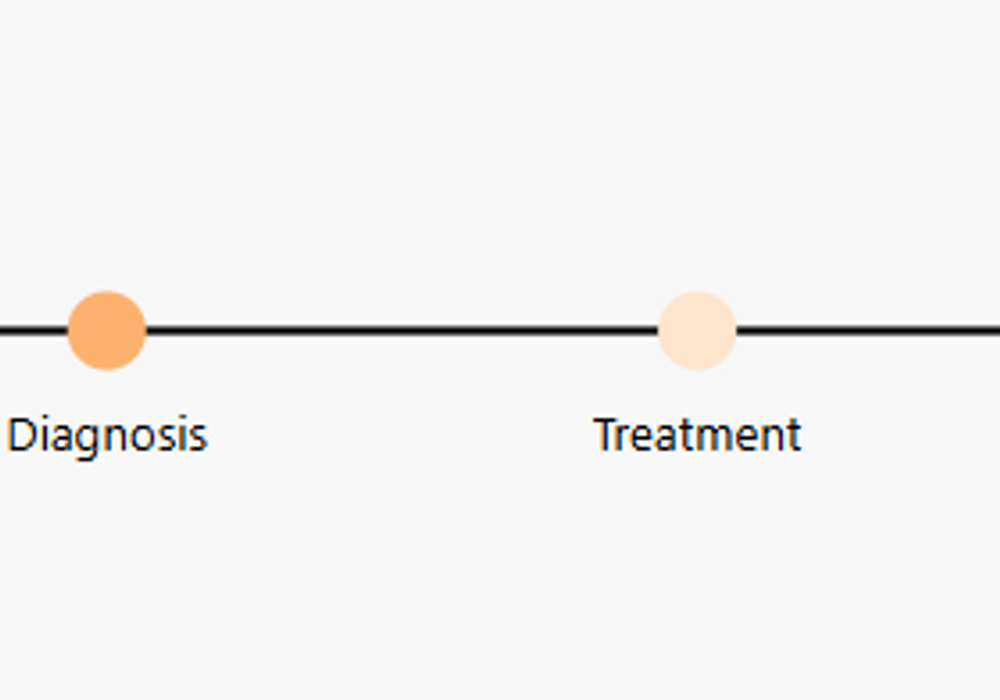
Diagnosis and Assessment
Early diagnosis is crucial for proper management of NBBD. The diagnostic process typically includes:
- Physical Examination
- Urodynamic Studies
- Imaging Tests
- Ultrasound
- MRI
- VCUG (Voiding Cystourethrogram)
- Neurological Assessment
Treatment and Management Strategies
Medical Management
- Clean intermittent catheterization (CIC)
- Medications
- Anticholinergics
- Alpha blockers
- Antibiotics for UTI prevention
- Bowel management programs
Surgical Options
- Bladder augmentation
- Mitrofanoff procedure
- Artificial urinary sphincter
- Botox injections
Lifestyle Modifications
- Timed voiding
- Dietary changes
- Fluid management
- Regular exercise when appropriate
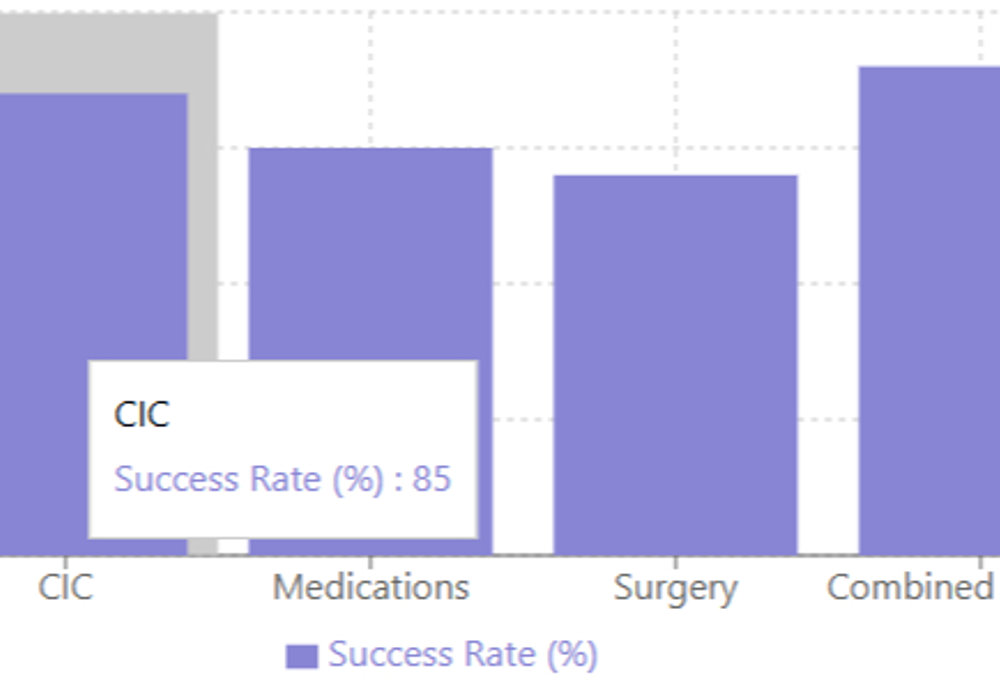
Treatment Success Rates
Supporting Your Child's Emotional Well-being
Living with NBBD can be challenging for children, affecting their self-esteem and social interactions. Here are ways to support your child:
- Open Communication
- Discuss concerns openly
- Create a safe space for questions
- Validate their feelings
- Social Support
- Connect with support groups
- Share experiences with other families
- Build a strong support network
- School Support
- Work with teachers and school nurses
- Develop an Individual Education Plan (IEP) if needed
- Ensure access to necessary facilities
Looking Ahead: Long-term Outcomes
With proper management and support, children with NBBD can lead fulfilling lives. Early intervention, consistent care, and emotional support are key factors in achieving positive outcomes.
Tips for Success:
- Maintain regular medical appointments
- Follow treatment plans consistently
- Monitor for complications
- Celebrate progress and achievements
- Stay connected with healthcare providers
Call to Action
Don't navigate this journey alone. Our team of pediatric specialists is here to help your child thrive despite NBBD. Schedule a consultation today to develop a personalized treatment plan for your child.
Contact us:
- Call: (+91) 8130156115
- Email: drvivekviswanathan@gmail.com
- Visit: www.drvivekviswanathan.com
Remember, early intervention is key to better outcomes. Take the first step today towards improving your child's quality of life.