When we think of pancreatitis, we often associate it with adults and causes like alcohol or gallstones. Yet, children too can suffer from pancreatitis — an under-recognized and often misunderstood condition in paediatric practice.
What is Paediatric Pancreatitis?
Pancreatitis is the inflammation of the pancreas, an organ that plays a critical role in digestion and insulin production. In children, it may present differently than in adults, often making diagnosis challenging.
Causes in Children
Unlike adults, where lifestyle factors dominate, paediatric pancreatitis has varied causes:
- Structural anomalies (pancreatic divisum, choledochal cysts)
- Genetic factors (CFTR, PRSS1, SPINK1 mutations)
- Medications (valproate, L-asparaginase, steroids)
- Infections (mumps, EBV, Mycoplasma)
- Trauma (bicycle handlebar injury – a common culprit in active children)
- Metabolic disorders (hyperlipidemia, hypercalcemia)
- Idiopathic (sometimes, the cause remains elusive)
Clinical Presentation
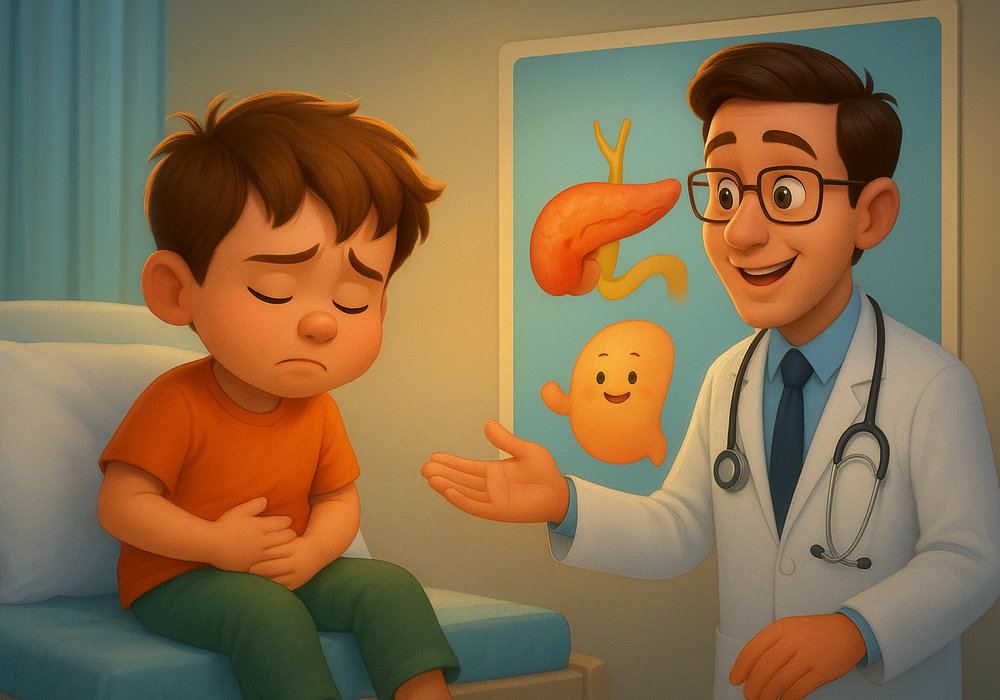
Symptoms often mimic other abdominal conditions:
- Severe, sudden-onset abdominal pain (often upper abdomen radiating to back)
- Nausea & vomiting
- Abdominal tenderness
- Fever (sometimes)
- Bloating or poor appetite
Because children can’t always express pain precisely, younger patients may present with irritability or refusal to eat.
Diagnosis
- Blood tests: Elevated amylase & lipase levels
- Ultrasound / CT / MRI: To assess swelling, fluid collections, gallstones, or anomalies
- Genetic testing: In recurrent or idiopathic cases
Management
Most cases of acute paediatric pancreatitis are managed conservatively:
- Hospital admission
- IV fluids for hydration
- Pain relief (opioids/NSAIDs as needed)
- Bowel rest with gradual reintroduction of feeds
- Antibiotics only if infection is proven
- Surgery or ERCP if gallstones or structural anomalies are identified
Chronic or recurrent cases may need enzymatic supplementation, genetic counseling, and in rare situations, surgery.
Prognosis & Challenges
- Most children recover well with supportive care.
- Recurrent or chronic pancreatitis can impact growth, nutrition, and quality of life.
- Early diagnosis, especially in trauma or genetic causes, is key to preventing long-term complications like pancreatic insufficiency or diabetes.
Takeaway
Paediatric pancreatitis may be rare, but it’s real. A high index of suspicion in children with unexplained severe abdominal pain can save lives. Awareness among parents, paediatricians, and surgeons is the first step toward early intervention.