The Unique Challenges of Pediatric Surgery
Pediatric patients present unique challenges for surgeons and anesthesiologists. Their rapidly developing brains, smaller size, and delicate physiology require a nuanced approach to care. While significant advancements have been made in pediatric anesthesia and surgery, there remains a critical need for improved monitoring tools.
The Potential Impact
Real-time, non-invasive brain function monitoring could revolutionize pediatric surgery by:
- Optimizing Anesthesia:
-Determining the optimal depth of anesthesia for each child, reducing the risk of awareness or overdosage.
-Identifying early signs of anesthetic toxicity or brain injury.
- Minimizing Surgical Trauma:
-Assessing the impact of surgery on the developing brain, allowing for timely interventions.
-Identifying potential complications early, such as cerebral edema or ischemia.
- Improving Postoperative Outcomes:
-Predicting the risk of postoperative cognitive dysfunction (POCD).
-Guiding rehabilitation efforts based on real-time assessment of brain function.
Specific Considerations for Pediatrics
- Developmental Stage: Brain function and development vary significantly across age groups. A monitoring system would need to adapt to these changes.
- Head Size: Smaller head circumference presents challenges for traditional EEG and fNIRS.
- Anesthesia: Pediatric anesthetic agents and techniques differ from adults, requiring specific calibration and interpretation of brain signals.
- Ethical Considerations: Obtaining informed consent from parents or legal guardians while balancing the child's best interests.
Potential Technologies
While still in its early stages, several technologies show promise:
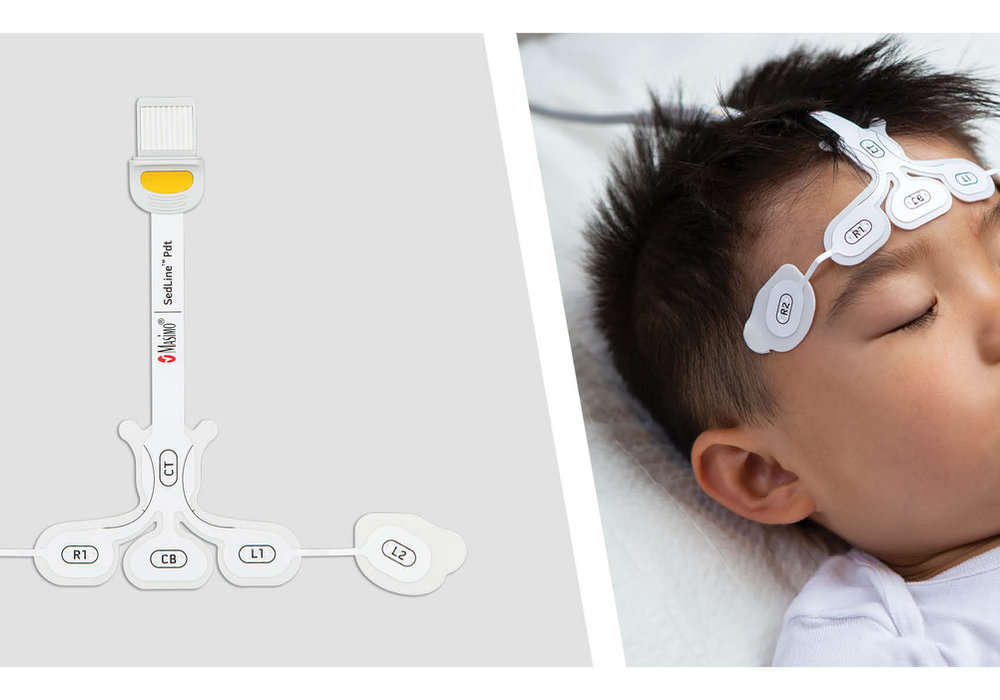
- Functional Near-Infrared Spectroscopy (fNIRS): Non-invasive, measures brain oxygenation and blood flow changes.
- Electroencephalography (EEG): Measures brain electrical activity, but can be challenging to use in children due to movement artifacts.
- Near-Infrared Spectroscopy (NIRS): Similar to fNIRS but with a broader range of applications, including monitoring tissue oxygenation.
Combination approaches that integrate multiple modalities may provide the most comprehensive picture of brain function.
Challenges and Solutions for Implementing Real-time Brain Function Monitoring in Pediatric Surgery
Implementing real-time brain function monitoring in pediatric surgery is a complex undertaking that requires addressing several challenges.
Challenges
- Technological Limitations:
-Sensitivity and Specificity: Ensuring the technology is sensitive enough to detect subtle changes in brain function in children while maintaining high specificity to avoid false positives.
-Data Quality: Noise reduction is critical, especially in the pediatric population where movement artifacts are common.
-Image Quality: Achieving clear and interpretable images in small pediatric heads.
- Clinical Integration:
-Workload: Integrating the technology into the already complex surgical workflow without overwhelming the surgical team.
-Interpretation: Ensuring accurate and timely interpretation of the data by clinicians.
-Decision Making: Translating the data into actionable clinical decisions.
- Ethical Considerations:
-Patient Safety: Ensuring the technology does not pose additional risks to the child.
Informed Consent: Obtaining appropriate informed consent from parents or legal guardians.
-Data Privacy: Protecting patient data and ensuring confidentiality.
- Cost and Accessibility:
-Financial Burden: The technology and associated infrastructure may be expensive, limiting its accessibility.
-Resource Allocation: Determining the optimal allocation of resources for research, development, and implementation.
- Solutions
-Technological Advancements: Continuous Research: Ongoing research to improve the sensitivity, specificity, and data quality of the technology.
-Miniaturization: Developing smaller and more portable devices suitable for pediatric patients.
-Artificial Intelligence: Utilizing AI algorithms to enhance data analysis and interpretation.
- Clinical Collaboration:
-Multidisciplinary Teams: Assembling teams of engineers, neurosurgeons, anesthesiologists and neurologists to optimize the technology's use.
-Training and Education: Providing comprehensive training to clinicians on data interpretation and clinical decision-making.
-Standardized Protocols: Developing clear guidelines for data acquisition, analysis, and clinical response.
- Ethical Framework:
-Risk-Benefit Assessment: Rigorously evaluating the potential benefits and risks of the technology.
-Transparent Communication: Open and honest communication with patients and families about the technology and its potential implications.
-Data Protection: Implementing robust data security measures.
- Economic and Policy Considerations:
-Public-Private Partnerships: Collaborating with industry and government to reduce costs and improve accessibility.
-Cost-Effectiveness Analysis: Demonstrating the long-term cost-effectiveness of the technology.
-Reimbursement: Advocating for appropriate reimbursement for the technology and associated services.
By addressing these challenges and implementing effective solutions, real-time brain function monitoring can become a valuable tool in pediatric surgery, improving patient outcomes and advancing the field of neurosurgery.