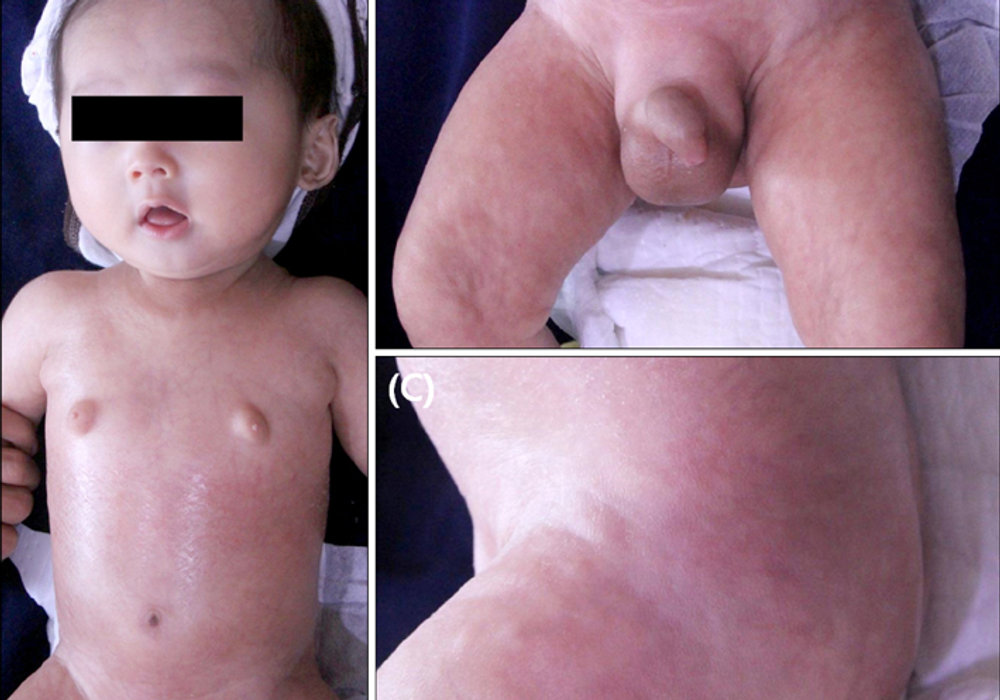
Fetal surgery, also known as in utero therapy, has emerged as a beacon of hope for families facing devastating fetal anomalies. By intervening before birth, this field aims to prevent or mitigate these conditions, potentially improving a child's future health. However, venturing into this realm necessitates a careful consideration of both the potential benefits and inherent risks for both mother and baby.
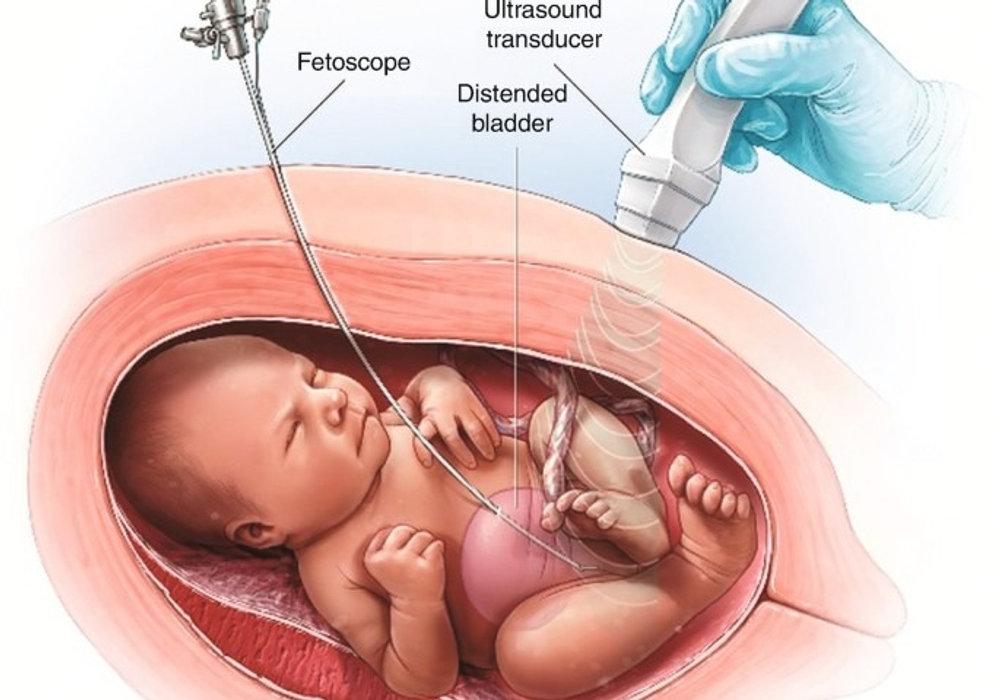
This blog post delves into the complexities surrounding fetal surgery.
We'll explore the spectrum of potential complications and strategies to minimize them, drawing inspiration from the pioneering work documented in the field's history.
A Historical Perspective: From Open Procedures to Minimally Invasive Techniques
The story of fetal surgery began in 1963 with the first fetal intervention. Pioneering efforts, like Liley's use of a needle for fetal blood transfusion, laid the groundwork for future advancements. The 1970s saw the introduction of endoscopy for direct fetal visualization, enabling procedures like blood sampling and biopsy tissue collection. However, limitations in technology restricted these procedures from being truly therapeutic.
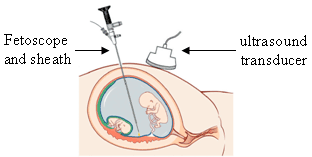
The 1980s ushered in a new era with the advent of open fetal surgery, where the fetus was directly accessed through a maternal laparotomy and hysterotomy. While groundbreaking, this approach presented significant risks. As technology progressed, minimally invasive fetoscopy emerged, offering a less invasive alternative. Here, a video camera is inserted into the uterus under ultrasound guidance for visualization.
Early fetoscopic procedures were performed in amniotic fluid, limiting visualization and maneuverability. The introduction of low insufflation pressure carbon dioxide in the amniotic cavity in 2010 addressed this challenge, allowing for clearer visualization and improved surgical techniques.
These advancements highlight the continuous evolution of fetal surgery, with a relentless pursuit of minimizing risks and optimizing outcomes.
Milestones in Fetal Surgery Development
Fetal surgery is not undertaken lightly. Specific criteria guide these interventions, summarized below. These include:
- Prompt and accurate diagnosis of the fetal anomaly and any associated conditions.
- A well-understood disease process with a promising prognosis through fetal intervention.
- Lack of effective postnatal treatment options.
- Evidence from animal models demonstrating the feasibility and effectiveness of the in utero technique.
- Performance of the surgery within specialized multidisciplinary fetal care centers, following a clear protocol with ethical committee approval and informed maternal consent.
These criteria ensure that fetal surgery is reserved for situations where the potential benefits outweigh the risks.
Ethical Considerations: A Balancing Act
The ethical considerations surrounding fetal surgery are complex. The intervention is inherently invasive, often experimental, and involves two patients – the mother and fetus. Additionally, success rates can be difficult to measure, and robust evidence on long-term outcomes is limited.
Controlled trials to evaluate the impact of fetal surgery on both mother and fetus are still needed. Transparency is paramount, and detailed explanations of both short- and long-term risks and benefits for both parties are crucial before obtaining informed consent.
Ultimately, the goal of fetal surgery – to improve the health of the fetus by intervening before birth – must be balanced with the safety and well-being of both mother and child.
Conditions amenable to Fetal Surgery
Fetal surgery can offer a lifeline in a select group of congenital anomalies. Here, we will focus on a few key areas:
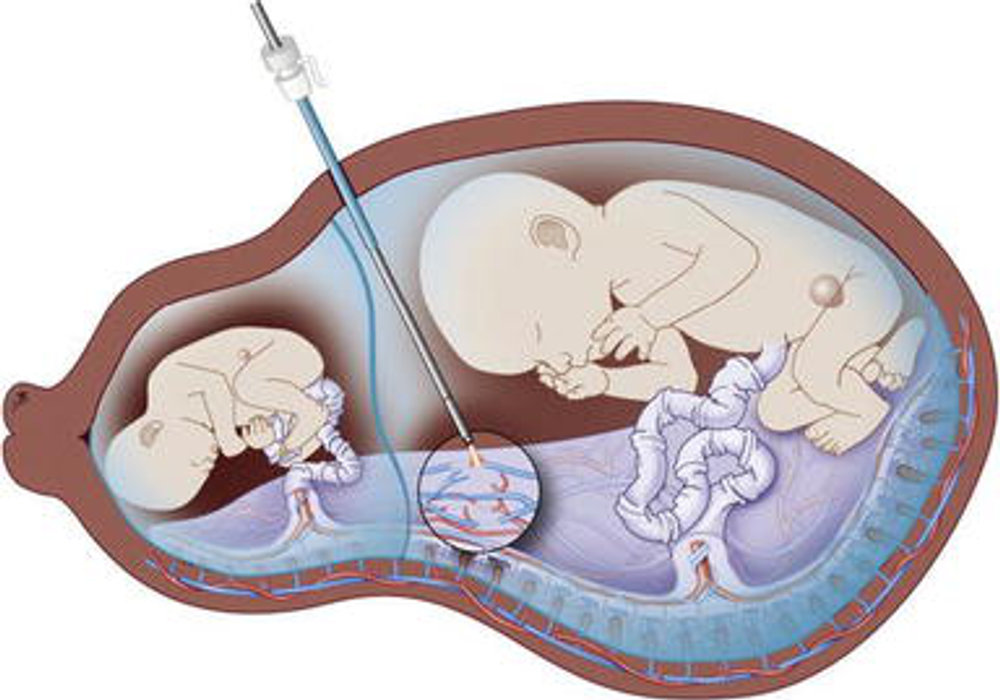
- Twin-to-Twin Transfusion Syndrome (TTTS): This condition arises in monochorionic (single placenta) twins, where unequal blood flow compromises one twin (donor) and excessively burdens the other (recipient). Fetoscopic laser ablation, a minimally invasive technique, severs the abnormal blood vessel connections, aiming to restore balance and improve outcomes for both twins.
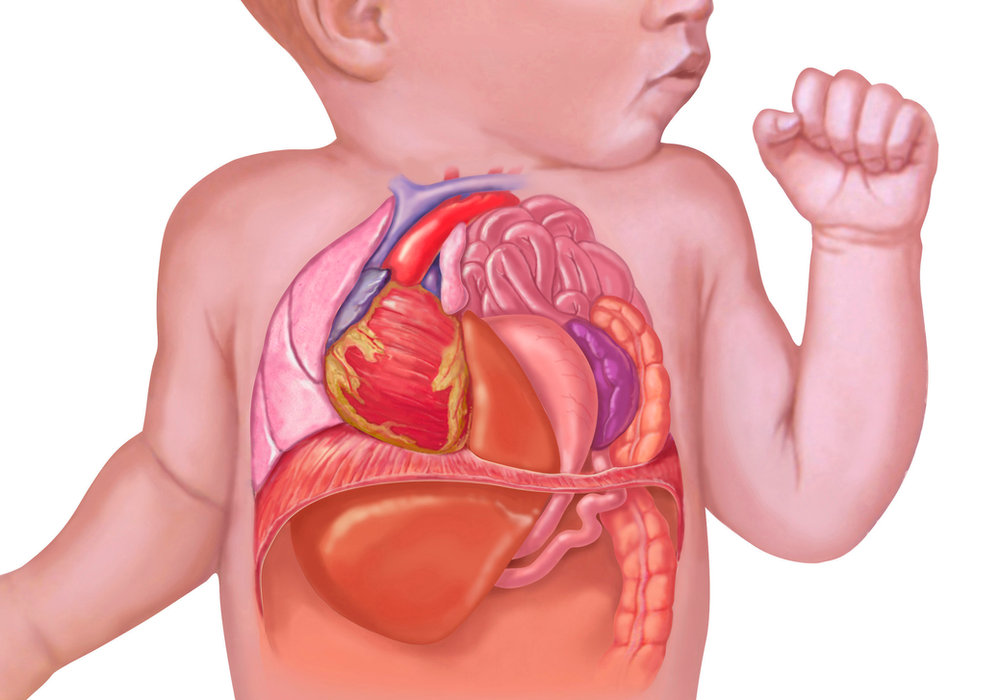
- Congenital Diaphragmatic Hernia (CDH): A hole in the diaphragm, the muscle separating the chest from the abdomen, allows abdominal organs to push into the chest cavity, hindering lung development. Fetal surgery can involve patching the defect, allowing the lungs more space for growth.
- Lower Urinary Tract Obstruction (LUTO):
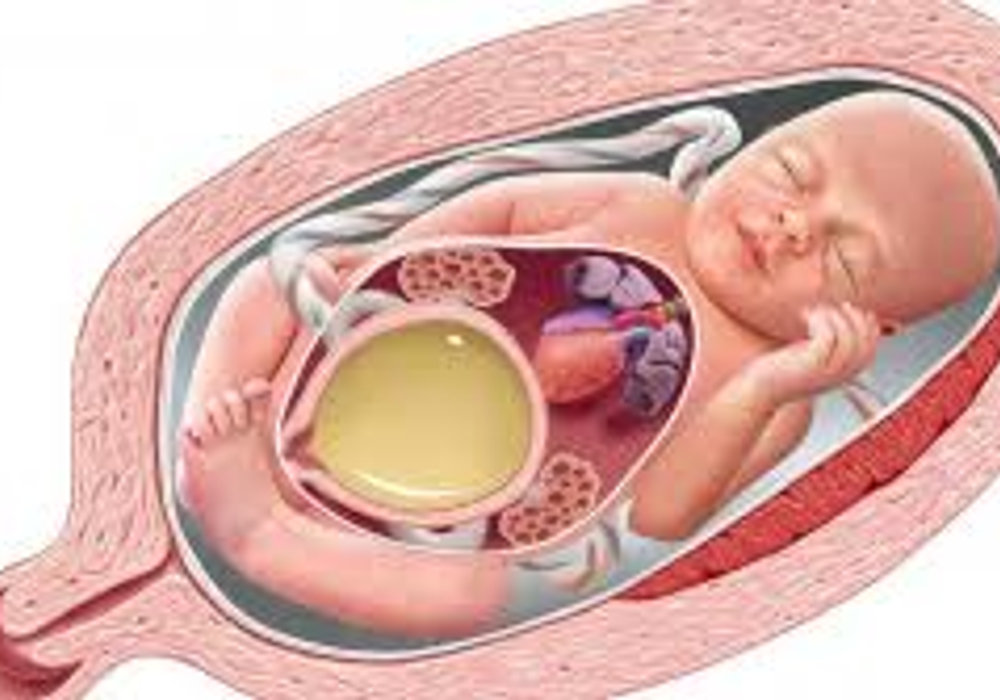
- Blockage in the urinary tract can lead to excess amniotic fluid and potentially underdeveloped lungs. Fetal surgery with stents or ablation procedures can help restore normal urinary flow and lung development.
- Myelomeningocele (Spina Bifida): Incomplete closure of the neural tube exposes spinal cord tissue. Prenatal repair can potentially improve neurological outcomes and reduce the need for shunts to manage hydrocephalus (fluid buildup in the brain).
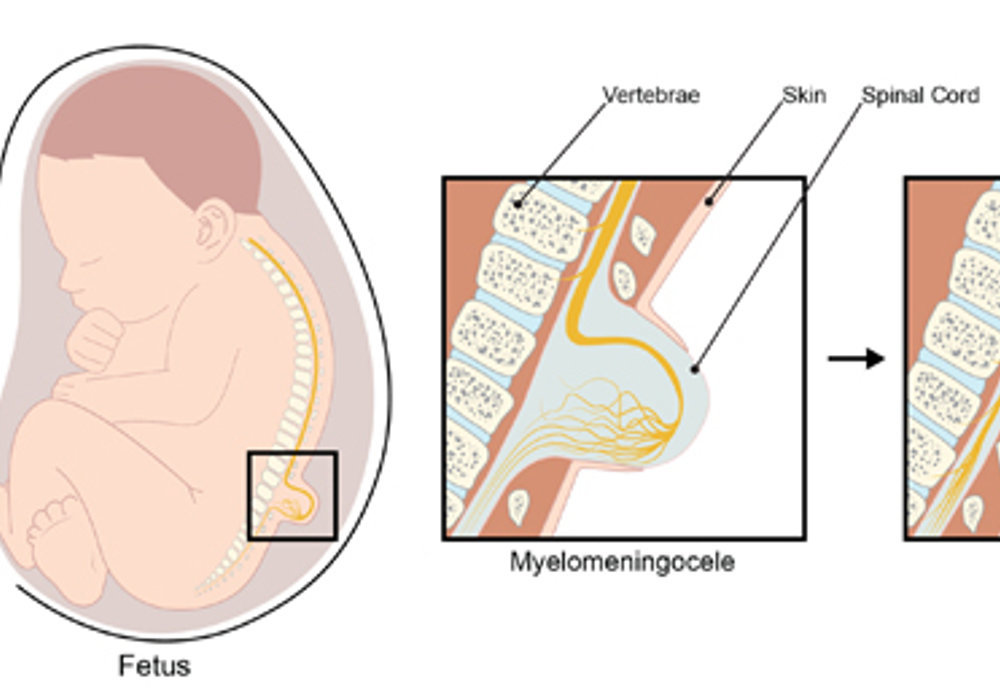
It's crucial to remember that fetal surgery is only recommended when the potential benefits significantly outweigh the risks, as will be discussed in the following section.
This section delves into the complexities surrounding fetal surgery. We'll explore the spectrum of potential complications, drawing parallels to the groundbreaking work documented in "Principles of Fetal Surgery" by Ahmed Abdelghaffar Helal. We'll also explore strategies to mitigate these risks and optimize outcomes.
Understanding the Risks: A Balancing Act
Fetal surgery, by its very nature, disrupts the carefully orchestrated environment of a developing pregnancy. While minimally invasive techniques have significantly improved safety compared to open fetal surgery, there are still potential complications to consider. These can be broadly categorized as follows:
- Maternal Complications: The mother, acting as the "host" for the surgery, faces potential risks associated with anesthesia, bleeding, and infection. Premature rupture of membranes (PROM) and preterm labor are also concerns, with the potential for premature birth and its associated complications.
- Fetal Complications: The fetus is the most vulnerable participant in this intricate dance. Bleeding in the womb (fetomaternal hemorrhage) can threaten the developing baby. Amniotic fluid leaks can compromise the protective environment and potentially lead to cord compression. Chorioamnionic separation, a condition where the placenta detaches from the uterine wall, can disrupt vital nutrient and oxygen exchange. Fetal infection (chorioamnionitis) is another potential complication. Finally, there is always the risk of fetal demise during the intervention.
- Long-Term Effects: The long-term consequences of fetal surgery are still being actively researched. While the goal is to improve quality of life, there may be unforeseen effects on the developing organs and systems.
When considering these risks, it is crucial to remember the importance of patient selection. The potential benefits of the intervention must significantly outweigh the risks for both mother and baby.
Minimizing Risks and Optimizing Outcomes
The field of fetal surgery is constantly evolving, with a relentless focus on minimizing risks and optimizing outcomes. Several strategies contribute to this ongoing pursuit:
- Multidisciplinary Approach: A successful fetal surgery program relies on a highly skilled team. This includes fetal surgeons, maternal-fetal medicine specialists, neonatologists, anesthesiologists, nurses, and other specialists who work collaboratively to ensure coordinated care throughout the entire process.
- Advanced Imaging: High-resolution prenatal ultrasound and fetal MRI scans provide detailed anatomical information, allowing for meticulous preoperative planning and minimizing surgical manipulation during the procedure.
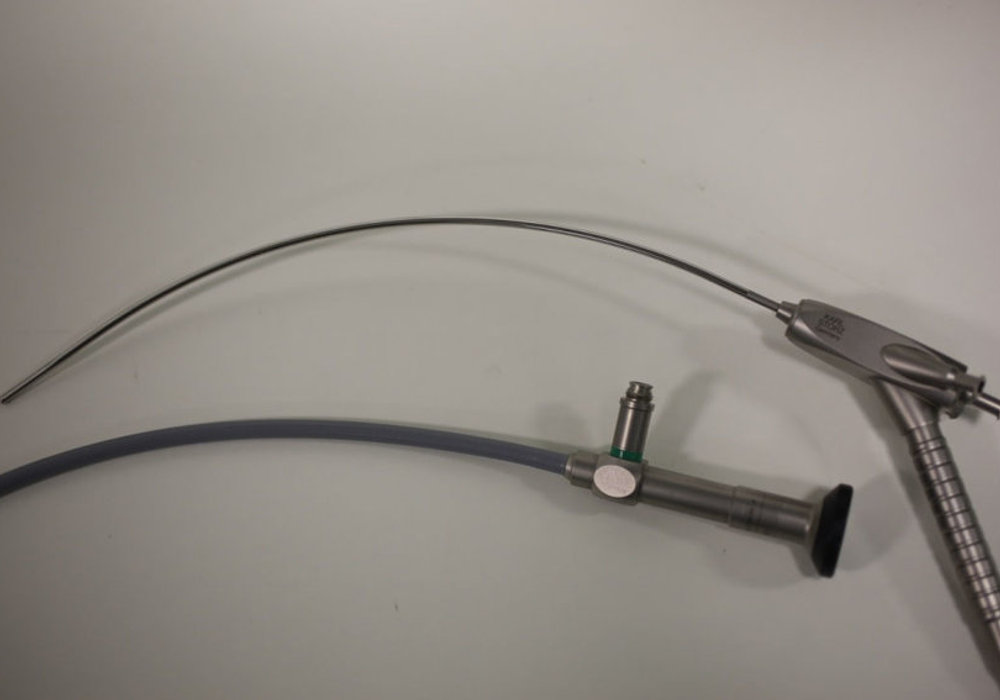
- Minimally Invasive Techniques: Fetoscopic surgery utilizes specialized instruments and telescopes to perform procedures through small incisions in the mother's abdomen and uterus. This minimizes tissue disruption and promotes faster recovery.
- Fetal Monitoring: Throughout the procedure, continuous fetal monitoring allows for real-time assessment of the baby's well-being, enabling immediate intervention if needed.
- Postoperative Care: Following surgery, both mother and baby require close monitoring and specialized care to manage potential complications and optimize recovery.
Specific Applications: Balancing Risk and Reward
Let's delve into specific applications of fetal surgery, highlighting the delicate balance between risk and reward:
- Congenital Diaphragmatic Hernia (CDH): In severe cases of CDH, where the diaphragm fails to form properly, fetal surgery to repair the defect can significantly improve outcomes. This minimally invasive procedure, known as FETO (fetoscopic endoluminal tracheal occlusion),
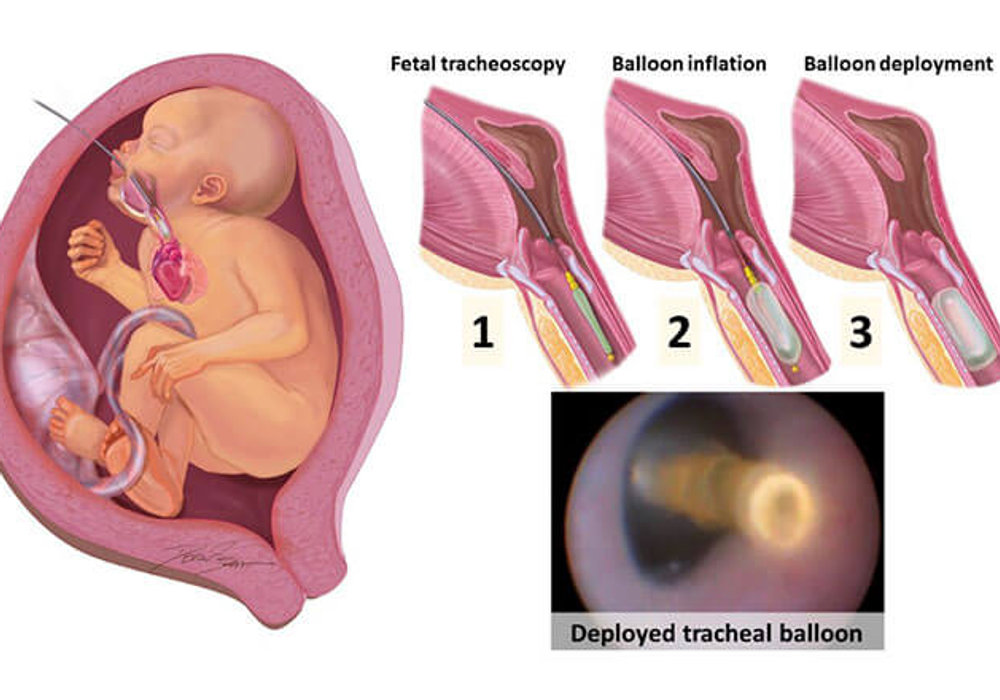
involves temporarily blocking the developing baby's trachea to stimulate lung growth. While there is a risk of complications such as PROM, studies have shown a significantly higher survival rate for babies with severe CDH who undergo FETO compared to those who do not.
- Amniotic Band Syndrome (ABS): In some cases of ABS, where bands of tissue constrict a limb,
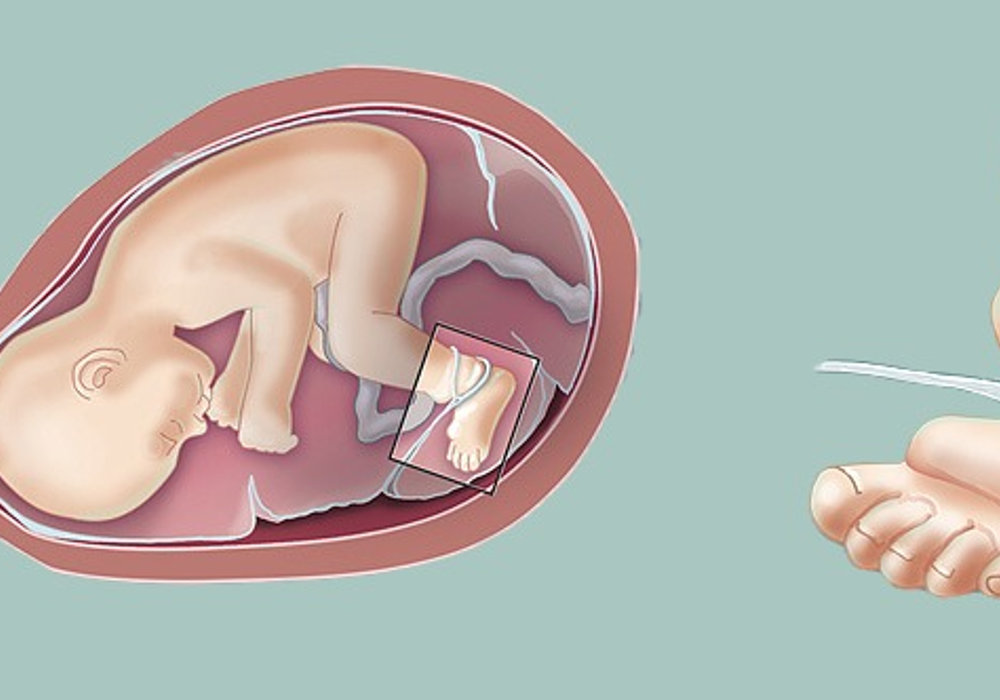
fetal surgery can be used to release the bands and potentially improve limb function and prevent amputation. This minimally invasive procedure carries a risk of PROM, but the potential benefits for the baby's future quality of life can be significant.
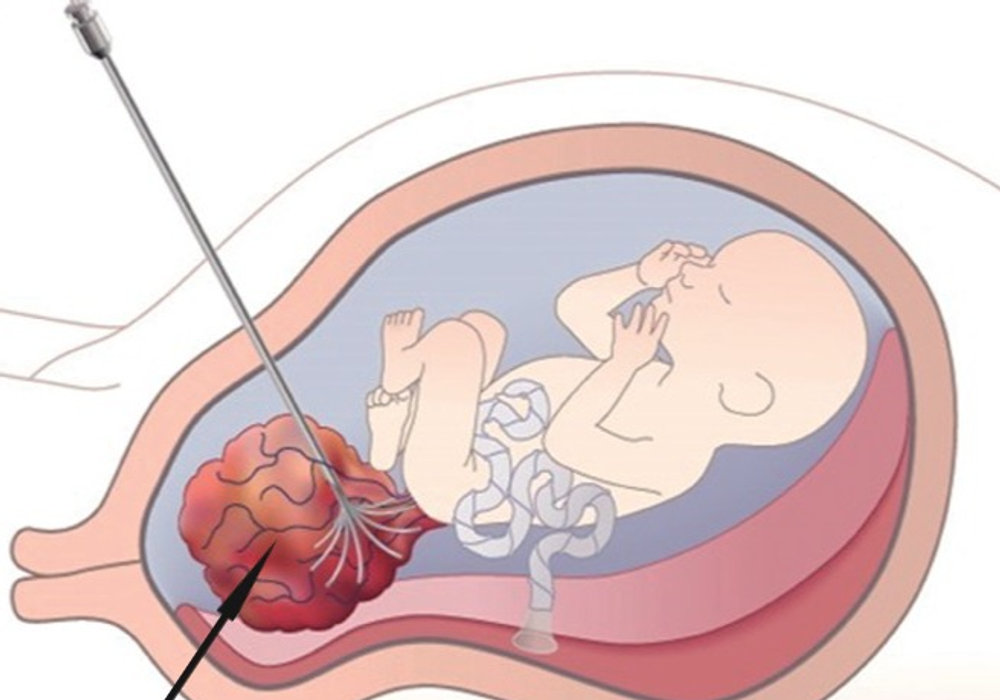
- Sacrococcygeal Teratoma (SCT): These tumors can cause complications in the developing fetus, including heart failure. In some cases, minimally invasive fetal surgery can be used to remove or shrink the tumor, potentially improving the baby's chances of survival.
However, these procedures carry risks and should only be performed in specialized centers for fetuses with high-risk presentations.
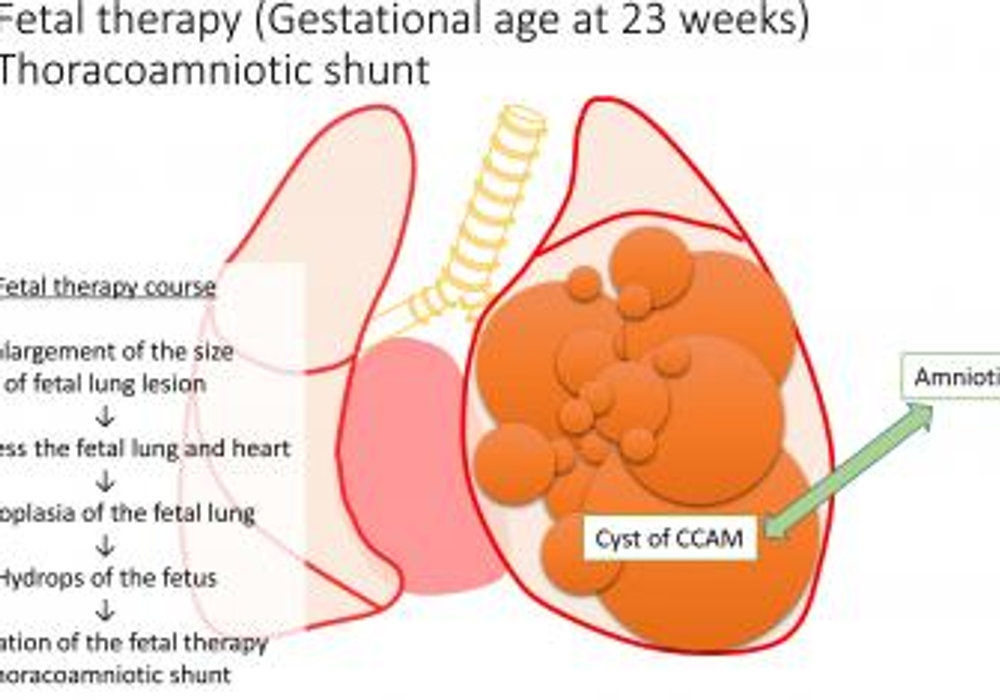
- Cystic Pulmonary Airway Malformations (CPAMs): While most CPAMs resolve on their own or have a favorable outcome without intervention, there are severe cases where they can cause fetal complications. In these situations, minimally invasive fetal surgery, such as thoracoamniotic shunting, can help to alleviate pressure on the fetus and improve outcomes. This procedure carries some risks, but studies have shown promising results in terms of fetal survival and decreased complications like hydrops.
The Future of Fetal Surgery
Fetal surgery is a rapidly evolving field with the potential to transform the lives of countless families. The future holds promise for even greater advancements:
- Minimally Invasive Techniques: As technology continues to develop, minimally invasive techniques will become even more refined, further reducing risks for both mother and baby.
- Biologic Sealants: Research is underway to develop biocompatible adhesives that can be used to seal the amniotic membranes before surgery, potentially reducing the risk of PROM, a major complication.
- Stem Cell Therapy and Gene Editing: These fields hold immense promise for the future of fetal surgery. The ability to introduce healthy stem cells or correct genetic abnormalities in utero could revolutionize the treatment of a wide range of congenital conditions.
However, it is important to acknowledge that these are still emerging areas of research. Extensive evaluation in animal models is necessary before widespread clinical application can be considered.
Conclusion: A Beacon of Hope
Fetal surgery represents a beacon of hope for families facing devastating fetal anomalies. By acknowledging and mitigating the inherent risks, this field offers the potential to improve the lives of countless children. As technology advances, our understanding of fetal development deepens, and new treatment modalities emerge, the future of fetal surgery is bright. It holds the promise of a world where more babies can be born healthy and live fulfilling lives.