Single-Incision Laparoscopic Surgery (SILS) represents a significant advancement in minimally invasive pediatric surgery, offering improved cosmetic outcomes and potentially faster recovery times. This comprehensive guide explores the applications, benefits, and considerations of SILS in pediatric care.
What is Single-Incision Laparoscopic Surgery?
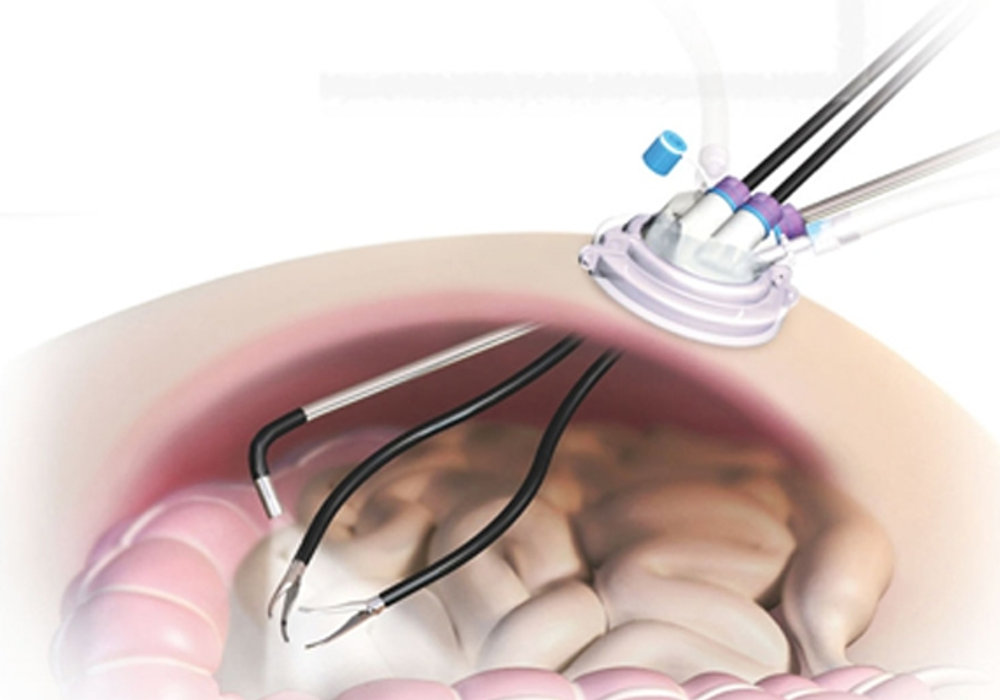
SILS is an advanced surgical technique that allows surgeons to perform complex procedures through a single small incision, typically hidden within the umbilicus (belly button). This approach represents the latest evolution in minimally invasive surgery, pushing the boundaries of what's possible in pediatric surgical care.
Common Pediatric Applications
1. Appendectomy
- Most frequently performed SILS procedure in children
- Excellent visibility of the appendix
- Reduced post-operative pain
- Nearly invisible scarring
2. Cholecystectomy
- Removal of the gallbladder
- Particularly suitable for older children and adolescents
- High success rates reported
- Reduced hospital stay
3. Splenectomy
- Technically challenging but feasible
- Requires advanced surgical expertise
- Best suited for select patient populations
- Careful patient selection crucial
4. Other Applications
- Hernia repair
- Ovarian procedures
- Intestinal operations
- Select urological procedures
Technical Considerations
Surgical Equipment
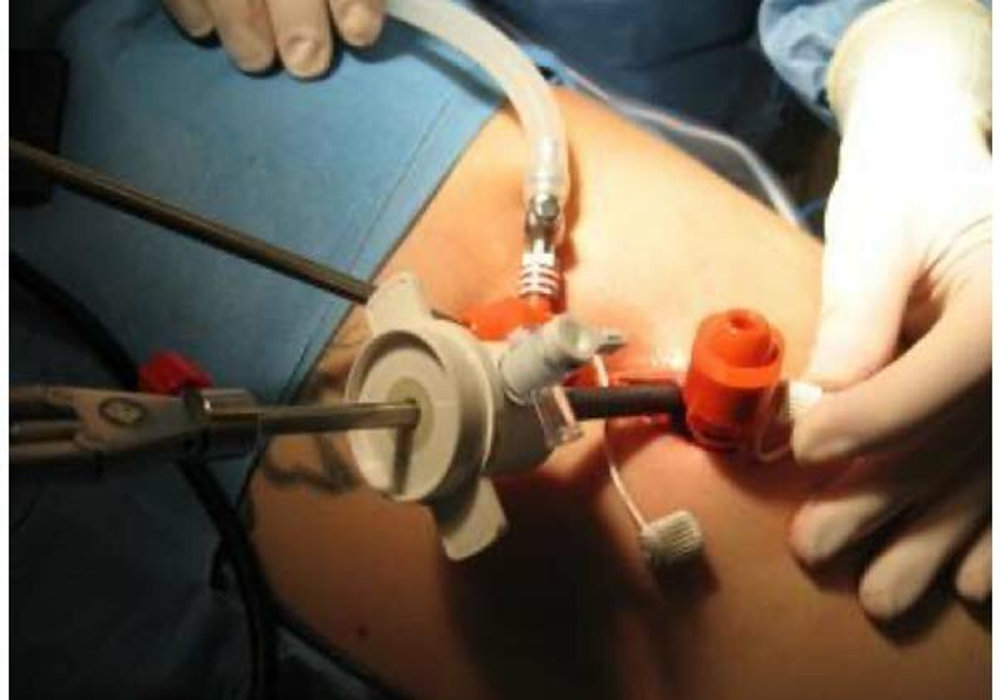
- Specialized port systems
- Articulating instruments
- Advanced imaging systems
- Custom-designed tools for pediatric patients
Surgical Technique
- Port placement through umbilicus
- Creation of pneumoperitoneum
- Instrument triangulation
- Careful tissue manipulation
- Precise closure techniques
Advantages of SILS
Cosmetic Benefits
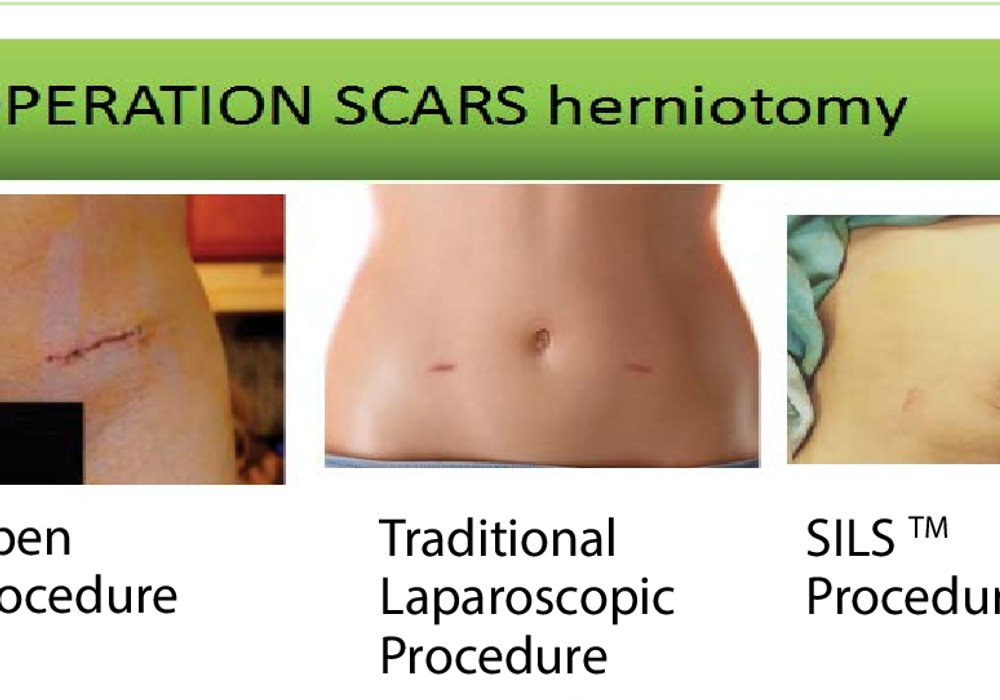
- Single small scar hidden in belly button
- Improved patient satisfaction
- Better long-term aesthetic results
- Reduced psychological impact
Clinical Benefits
- Reduced post-operative pain
- Faster recovery times
- Shorter hospital stays
- Decreased wound complications
- Less tissue trauma
Patient Selection Criteria
Ideal Candidates
- Healthy children
- Normal BMI
- No previous abdominal surgery
- Simple pathology
- Cooperative families
Relative Contraindications
- Complex pathology
- Previous extensive surgery
- Obesity
- Bleeding disorders
- Emergency situations
Preparing for SILS
Preoperative Considerations
- Thorough patient evaluation
- Detailed imaging studies
- Family education
- Psychological preparation
- Appropriate fasting guidelines
Recovery Expectations
- Initial 24-48 hours of discomfort
- Early mobilization encouraged
- Regular pain assessment
- Staged return to activities
- Follow-up schedule
Challenges and Limitations
Technical Challenges
- Limited instrument triangulation
- Reduced workspace
- Learning curve for surgeons
- Equipment costs
- Need for specialized training
Potential Complications
- Conversion to conventional laparoscopy
- Port-site related issues
- Learning curve related events
- Standard surgical risks
Future Directions
Technological Advances
- Development of specialized instruments
- Improved imaging systems
- Enhanced port designs
- Robot-assisted applications
Research Focus
- Long-term outcomes studies
- Cost-effectiveness analysis
- Quality of life assessments
- Technical refinements
Guidelines for Healthcare Providers
Implementation Steps
- Proper training and certification
- Equipment acquisition
- Team preparation
- Patient selection protocols
- Outcome monitoring
Quality Metrics
- Conversion rates
- Complication rates
- Length of stay
- Patient satisfaction
- Cost analysis
Conclusion
Single-Incision Laparoscopic Surgery represents a significant advancement in pediatric surgical care. While not suitable for all cases, its benefits in selected patients make it an invaluable addition to the pediatric surgeon's arsenal. Continued technological development and surgical expertise will likely expand its applications in the future.
References: Note: While this content is based on current medical knowledge, specific references should be verified with recent medical literature and guidelines for clinical application.