Many of us grew up with the tradition of boiling milk before consumption. But with the widespread availability of pasteurized milk, is this extra step still necessary? The answer is a resounding no! Here's why:
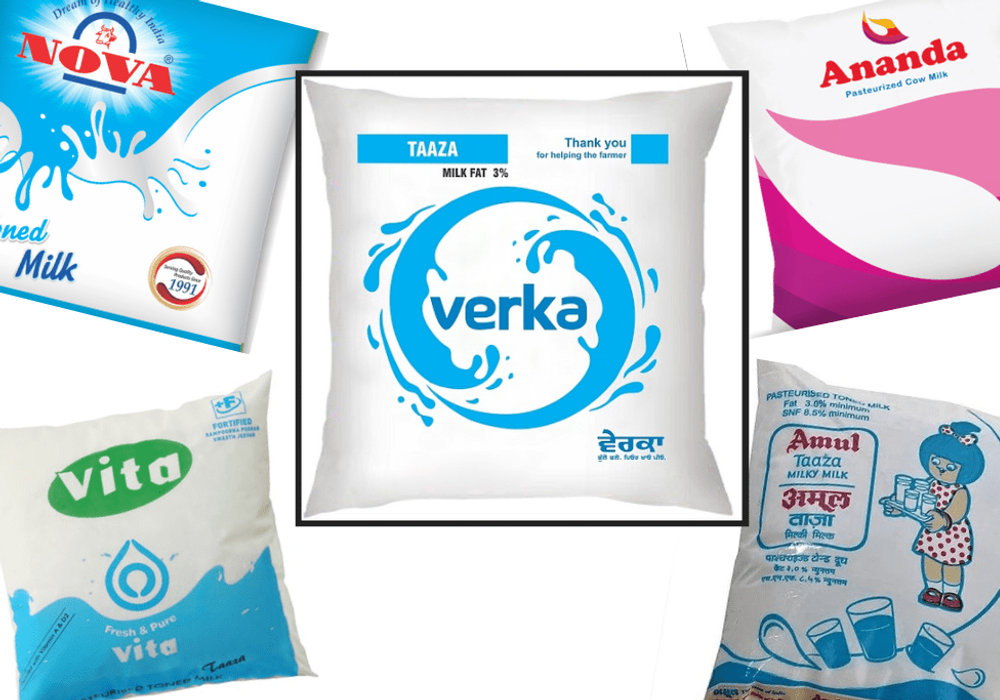
The Power of Pasteurization:
Pasteurization is a gentle heating process that destroys harmful bacteria, viruses, and parasites that can cause foodborne illnesses. Milk producers heat milk to a specific temperature for a controlled period, eliminating these pathogens while preserving most of the milk's nutrients.
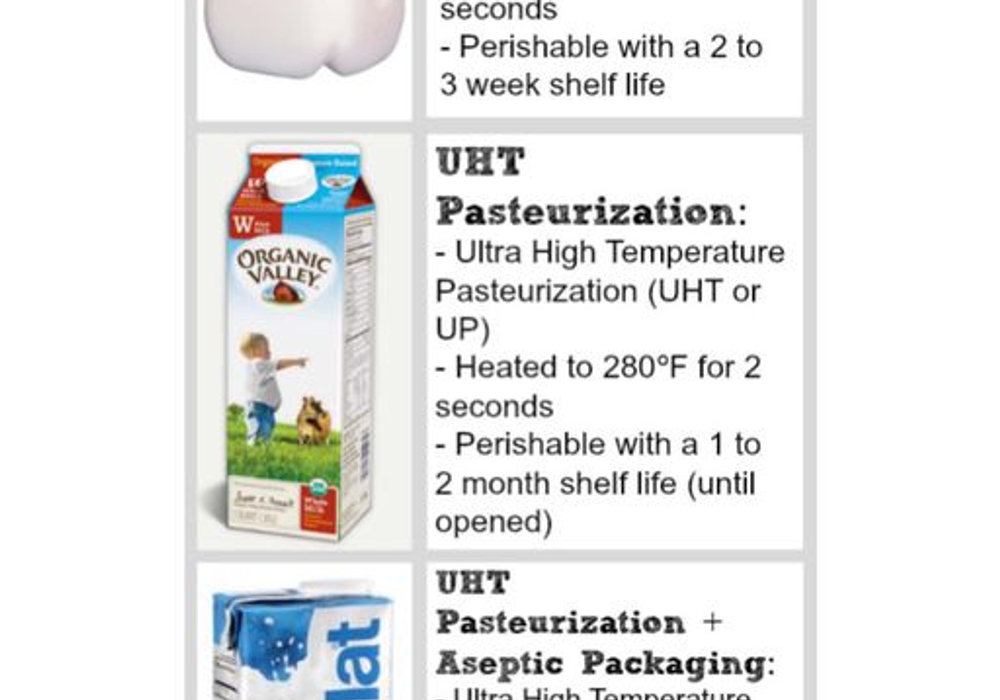
Double Duty Not Needed:
Since pasteurized milk has already been treated to ensure safety, boiling it again offers no additional benefit. In fact, boiling pasteurized milk can actually have some drawbacks:
- Loss of Nutrients: Excessive heat can break down vitamins and minerals naturally present in milk, reducing its nutritional value.
- Altered Taste: Boiling can alter the taste and texture of milk, making it less enjoyable to consume.
- Formation of Compounds: Boiling can lead to the formation of certain compounds that might not be ideal for digestion.
So, When is Boiling Necessary?
While pasteurization makes milk safe for consumption, it's important to remember proper handling:
- Always choose pasteurized milk.
- Store it at the recommended temperature (typically below 40°F or 4°C).
- Consume it within the expiry date.
If you're unsure about the milk's source or if it's raw (unpasteurized), boiling is essential to eliminate harmful pathogens.
Embrace the Convenience (and Safety) of Pasteurized Milk!
Pasteurization is a remarkable process that guarantees safe milk consumption without compromising its taste or nutritional value. So, the next time you grab a carton of pasteurized milk, skip the boiling step and enjoy it straight from the fridge!