Hernias, the abnormal protrusion of an organ or tissue through a weakness in its containing wall, are relatively common. However, a specific type called a spigelian hernia is exceptionally rare, especially in children.
What is a Spigelian Hernia?
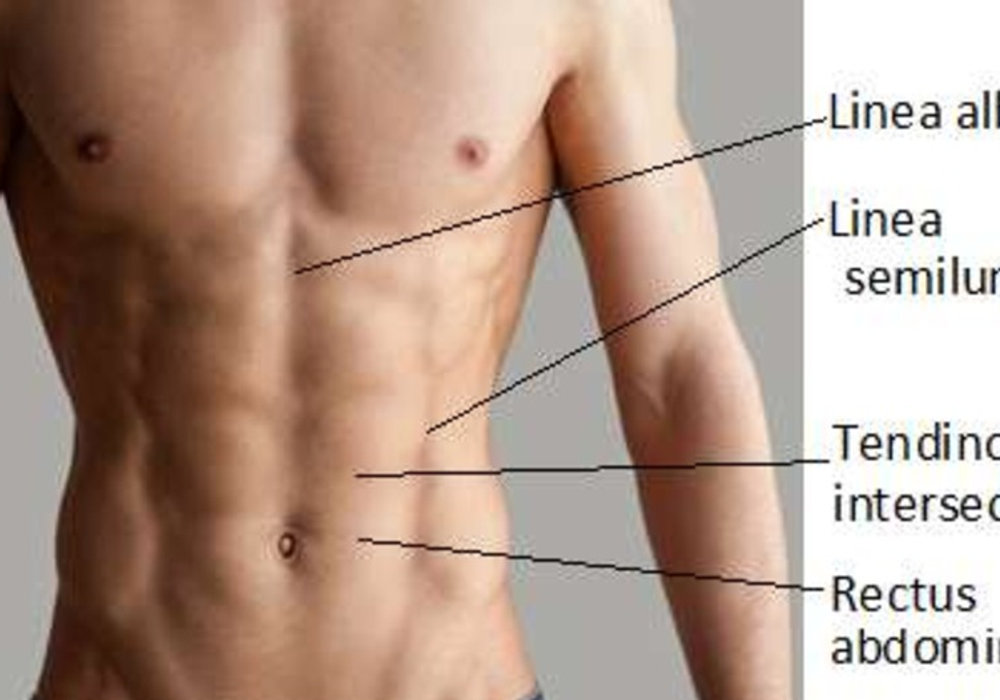
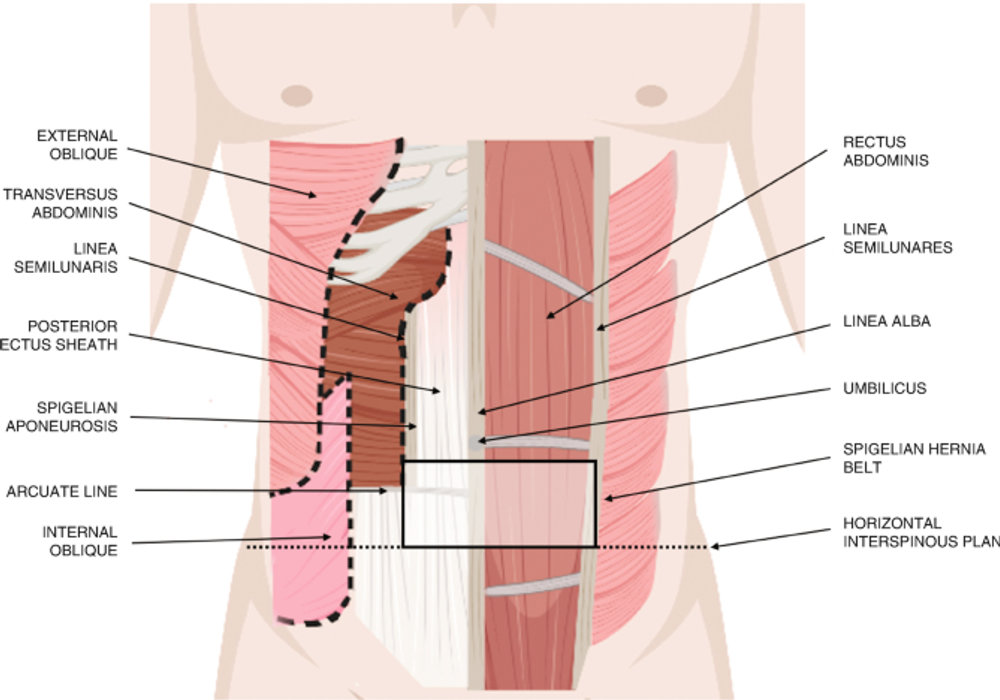
The abdominal wall consists of several layers of muscle and connective tissue. Spigelian fascia is a thin layer located between the two main abdominal muscles (rectus abdominis). A spigelian hernia occurs when a weakness or defect in this fascia allows abdominal contents, such as fatty tissue or parts of the intestine, to protrude outwards.
Incidence in Children:
Spigelian hernias are uncommon in general, accounting for only 0.12% to 2% of all abdominal wall hernias. In children, they are even rarer, with less than 50 cases reported in medical literature.
Causes of Spigelian Hernias in Children:
While the exact cause of spigelian hernias in children isn't fully understood, two main possibilities exist:
- Congenital: In some cases, the weakness in the spigelian fascia may be present at birth, making the child susceptible to developing a hernia later.
- Acquired: Certain factors can weaken the abdominal wall over time, increasing the risk of a spigelian hernia. These factors include:
- Chronic conditions that cause increased abdominal pressure, such as chronic coughing, obesity, or liver cirrhosis.
- Muscle weakness due to aging or disease.
- Repetitive straining, like during constipation.
- Abdominal injuries.
Symptoms of Spigelian Hernias:
A spigelian hernia may present with the following symptoms:
- A small, soft lump or bulge in the lower abdomen, often more noticeable when standing.
- Pain in the abdomen, not necessarily related to meals or illness.
- In rare cases, the hernia can become strangulated, meaning the blood supply to the herniated tissue is cut off. This is a medical emergency requiring immediate surgical intervention.
Diagnosis and Treatment:
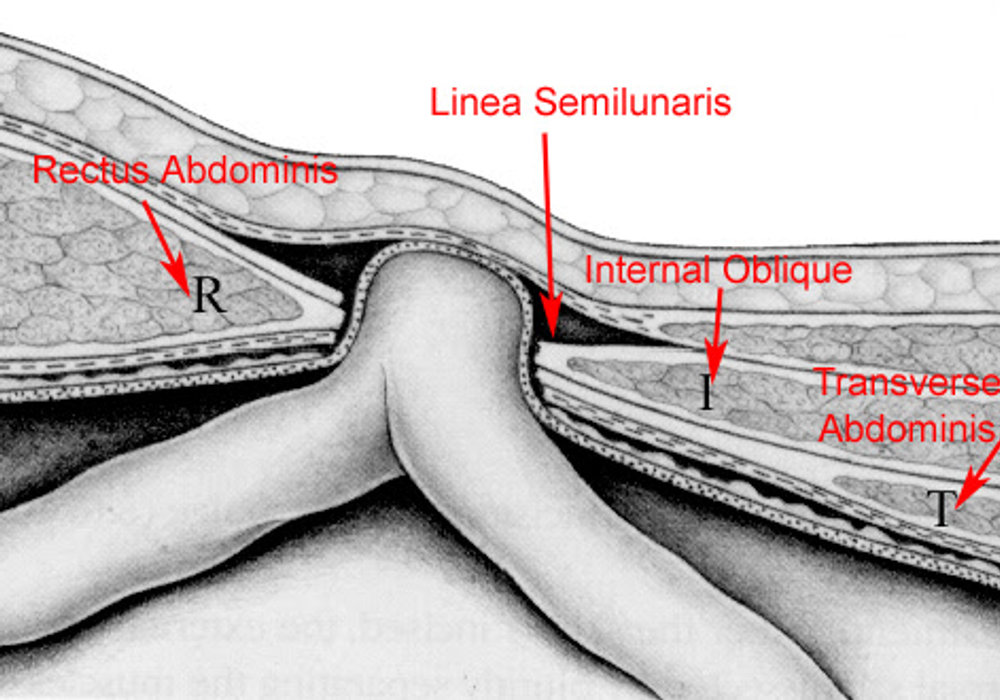
Diagnosing a spigelian hernia in children can be challenging due to its rarity. Physical examination alone may not be conclusive. Imaging tests like ultrasound or CT scans are often necessary for confirmation.
The definitive treatment for spigelian hernias is surgery. The surgeon repairs the defect in the spigelian fascia and pushes the herniated tissue back into its proper place.
Spigelian hernias can masquerade as incisional hernias in certain situations. Here's why:
- Location Similarity: Both spigelian hernias and incisional hernias occur in the abdominal wall, and the locations can sometimes overlap. Spigelian hernias typically appear near the lateral border of the rectus abdominis muscle, which is an area where incisional hernias following midline abdominal surgeries might develop.
- Shared Symptoms: Both types of hernias can present with similar symptoms like:
- A visible bulge or lump in the abdomen.
- Abdominal pain, especially when coughing, straining, or exercising.
- Discomfort or a feeling of fullness in the abdomen.
- Diagnostic Challenges:
- Small spigelian hernias can be difficult to detect clinically, especially if obscured by subcutaneous fat.
- Imaging tests like ultrasound or CT scans may not always definitively differentiate between a spigelian and incisional hernia, particularly if the location is close to a previous surgical incision.
Therefore, in some cases, a spigelian hernia might be initially misdiagnosed as an incisional hernia, especially if the patient has a history of abdominal surgery.
Here are some additional points to consider:
- True incisional hernias develop directly at the site of a previous surgical incision. While spigelian hernias can occur near this area, they are not caused by the surgery itself.
- Spigelian hernias are generally much rarer than incisional hernias. This means that in most cases, an abdominal bulge following surgery is more likely to be an incisional hernia.
- A thorough clinical examination and detailed medical history are crucial for accurate diagnosis. This includes considering factors like the location of the bulge, the presence of a previous surgical scar, and the specific symptoms experienced.
If there is any doubt about the nature of the abdominal bulge, consulting a surgeon for further evaluation and potential imaging studies is essential for proper diagnosis and appropriate treatment.
Conclusion:
Spigelian hernias are a rare occurrence in children, often caused by congenital defects or acquired weaknesses in the abdominal wall. While the symptoms may be subtle, early diagnosis and surgical repair are crucial to prevent complications like strangulation. If you notice any unusual lumps or persistent abdominal pain in your child, consult a doctor for proper evaluation.