Does your child struggle with unwanted behaviors like frequent meltdowns, nail-biting, or thumb-sucking? While traditional methods like time-outs have their place, there's another approach gaining traction: Emotional Freedom Techniques (EFT), also known as tapping.

What is EFT?
EFT is a stress-reduction technique that combines elements of cognitive therapy and acupressure. It involves gently tapping on specific meridian points on the face and upper body while focusing on a negative emotion or unwanted behavior.
How Can EFT Help Children?
Children can experience a wide range of emotions they may not know how to express effectively. EFT provides a safe and gentle way to release negative emotions and limiting beliefs that might be fueling their unwanted behaviors.
Benefits of EFT for Children:
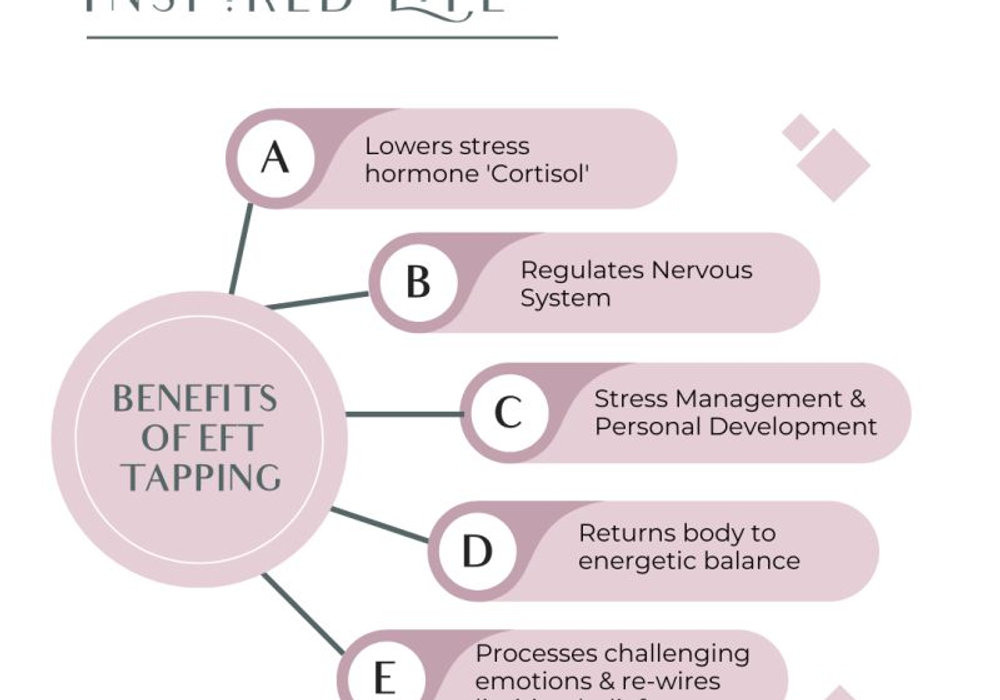
- Reduced anxiety and stress: EFT can help children manage difficult emotions like anger, frustration, and fear, leading to calmer behavior.
- Improved self-esteem: Tapping on positive affirmations can boost a child's confidence and self-worth.
- Enhanced emotional regulation: EFT equips children with tools to manage their emotions in a healthy way.
- Reduced negative behaviors: By addressing the underlying emotional causes, EFT can help diminish unwanted behaviors.
Getting Started with EFT for Your Child:
1. Create a Safe Space:
Find a quiet space where your child feels comfortable and secure. Explain EFT in a simple way, emphasizing that it's a tool to help them feel better.
2. Identify the Target:
Work together to identify the specific behavior you want to address. For example, "feeling frustrated before bedtime."
3. Rate the Intensity:
Ask your child to rate the intensity of the feeling on a scale of 0 (not at all) to 10 (very intense).
4. The Setup:
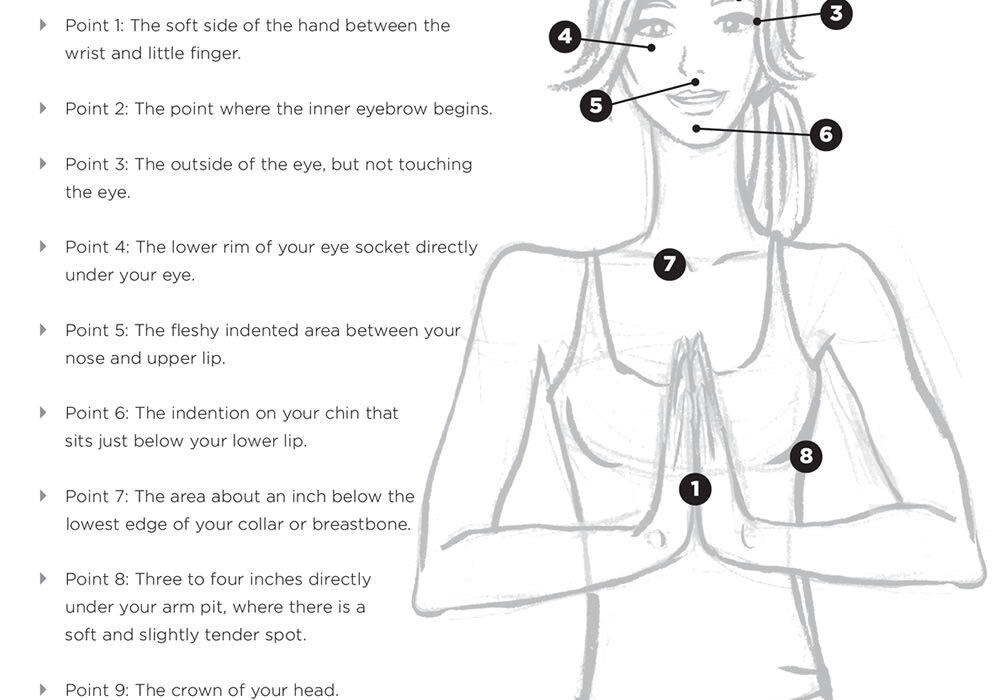
- Eyebrow Point: Tap gently on the inner corner of the eyebrow, saying "Even though I feel (unwanted emotion) about (situation), I deeply and completely accept myself."
- Side of the Eye: Tap on the bone beside the eye, saying "Even though I feel (unwanted emotion)."
- Between the Brows: Tap on the space between the eyebrows, saying "Even though I feel (unwanted emotion)."
- Under the Nose: Tap under the nose, saying "Even though I feel (unwanted emotion)."
- Chin Point: Tap on the point of the chin, saying "Even though I feel (unwanted emotion)."
- Collarbone Points: Tap on the hollow just above your collarbone, saying "Even though I feel (unwanted emotion), I choose to feel calm."
- Underarm Points: Tap a few finger-widths below your armpit, saying "Even though I feel (unwanted emotion), I'm still a good kid."
- Top of the Head: Tap on the crown of the head, saying "Even though I feel (unwanted emotion), I love and approve of myself."
Repeat this tapping sequence 3-5 times, focusing on the emotion and feeling the tapping points.
5. Reassess the Intensity:
Ask your child to rate the intensity of the unwanted emotion again.
6. Positive Affirmations:
End by tapping and repeating a positive affirmation related to the situation. For example, "I can calm down before bedtime" or "I am a good sleeper."
Important Points:
- Be patient: EFT may not work overnight. Consistency is key.
- Tailor it to your child: Use simple language and adjust the tapping points for younger children.
- Make it fun! Use tapping songs or rhymes to make it more engaging.
Remember:
EFT is a tool to complement positive parenting strategies, not a replacement. If you have concerns about your child's emotional well-being or behavior, consult a mental health professional.
By incorporating EFT into your parenting toolbox, you can empower your child to manage their emotions effectively and develop healthy coping mechanisms.