
For young children, navigating the world of medical procedures can be an overwhelming experience. Confusing medical terms, unfamiliar equipment, and the potential for discomfort can all contribute to anxiety and fear. This is especially true when dealing with urological conditions, which can be particularly sensitive for young patients. However, there's a powerful tool that can help ease these anxieties and empower children throughout their treatment journey: Play Therapy.
Play therapy is a form of psychotherapy that utilizes a child's natural language of play to address emotional and behavioral challenges. In the context of pediatric urology, a play therapist creates a safe and supportive environment where children can explore their feelings and anxieties related to their diagnosis and treatment.
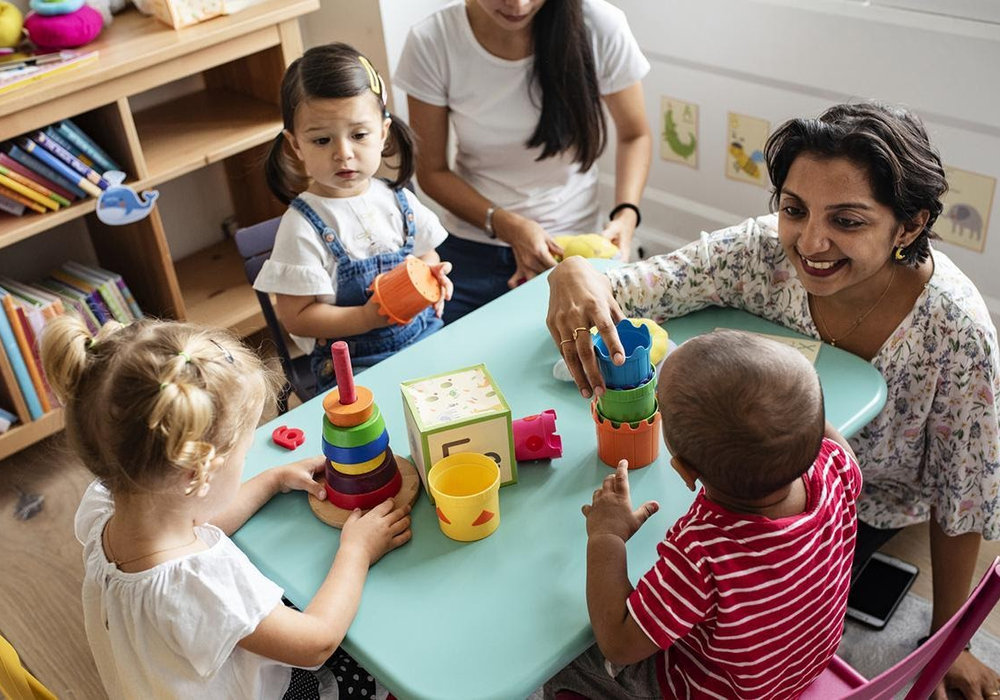
Here's how play therapy can be a game-changer for children with urological conditions:
- Understanding the Diagnosis: Through age-appropriate play activities, children can gain a better understanding of their bodies and the urological condition they are facing. Dolls, stuffed animals, and anatomical models can be used to explain medical procedures in a way that is clear and non-threatening.
- Coping with Procedures: Play therapy can help children prepare for and cope with upcoming medical procedures. By using medical play equipment like toy stethoscopes and blood pressure cuffs, children can practice what to expect during a doctor's visit or a test. This familiarity helps reduce anxiety and allows them to feel more in control.
- Empowerment and Expression: Play therapy provides a safe space for children to express their fears and frustrations related to their urological condition. Through play, they can explore their emotions and develop coping mechanisms for managing stress and anxiety. This empowers them to participate more actively in their treatment journey.
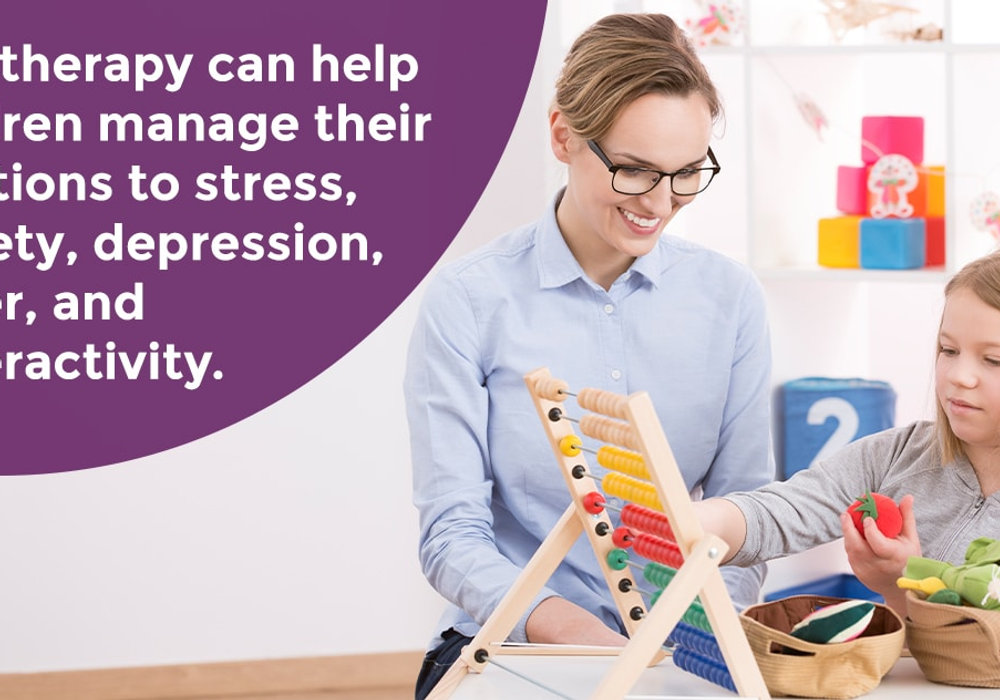
- Building Self-Esteem: Living with a urological condition can sometimes lead to feelings of isolation or embarrassment. Play therapy can help children build self-esteem and develop a positive self-image. By focusing on their strengths and encouraging them to express themselves creatively, play therapy promotes resilience and self-acceptance.
The Benefits of Play Therapy for Parents:
Play therapy isn't just beneficial for children – it can also be a valuable tool for parents. By observing their child's play, parents can gain insights into their child's emotional state and concerns related to their urological condition. This can help parents better understand their child's needs and provide them with additional support.
Play therapy can also create a stronger bond between parent and child. Participating in play therapy sessions allows parents to learn playful techniques to use at home to help their child cope with anxieties and strengthen communication.
Play Therapy Services Include:
- Initial parent/caregiver intake session and subsequent individual therapy sessions with your child (or children).
- Family therapy sessions
- A personalized growth plan that focuses on your child's needs
- Phone consultations to schools or other organizations
Seeking Play Therapy Services:
If your child is facing a urological condition, consider discussing the option of play therapy with your pediatrician or pediatric urologist. Many hospitals and healthcare facilities offer play therapy services specifically tailored to meet the needs of young patients.

Play therapy, when used in conjunction with traditional medical treatment, can be a powerful tool for helping children navigate their urological journey with greater confidence and emotional well-being. By allowing them to explore their feelings and anxieties through play, children can develop the coping mechanisms they need to face challenges and regain a sense of empowerment.