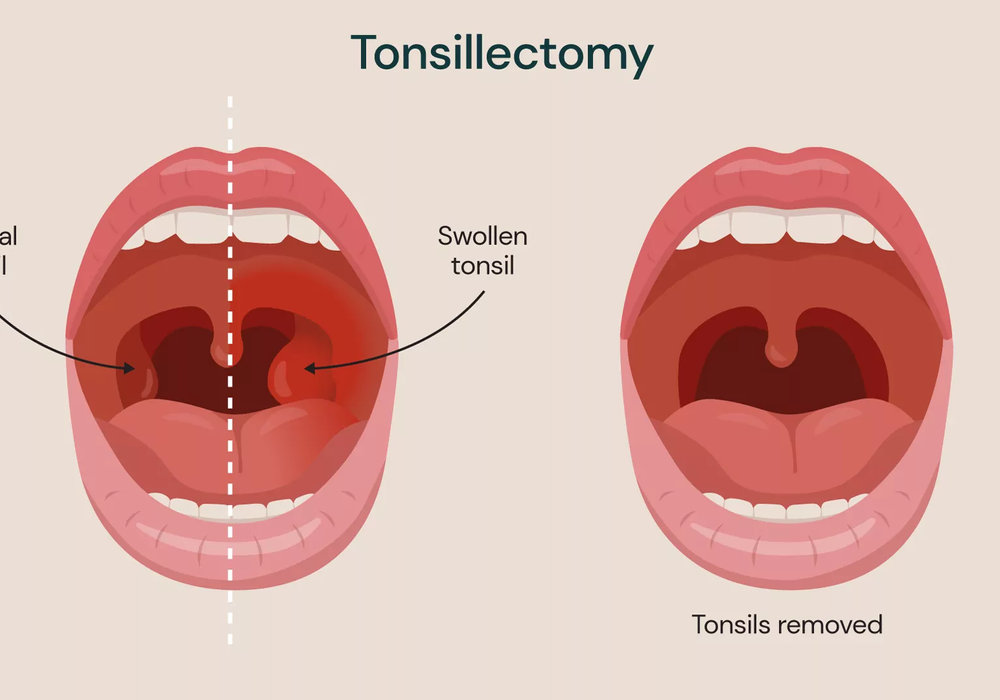
Tonsils are two small, soft tissues located at the back of the throat, one on each side. They play a role in the immune system, helping to fight off germs and infections. However, sometimes tonsils can become chronically enlarged or infected, causing discomfort and impacting a child's overall health and well-being. In such cases, a tonsillectomy, the surgical removal of the tonsils, might be recommended.
When Do Tonsils Become a Problem?
Tonsillitis, an inflammation or infection of the tonsils, is a common childhood illness. While most cases resolve on their own or with antibiotics, some children experience frequent or severe tonsillitis. Here are some signs that indicate tonsils might be causing problems:
- Frequent Tonsillitis: If your child gets tonsillitis five or more times a year for two years in a row, or three or more times a year for three years in a row, a tonsillectomy might be considered.
- Strep Throat: Repeated episodes of strep throat, a bacterial infection that causes tonsillitis, can warrant evaluation for tonsillectomy.
- Sleep Apnea: Enlarged tonsils can obstruct the airway, leading to sleep apnea, a condition where breathing repeatedly stops and starts during sleep. Symptoms include snoring, restless sleep, and daytime fatigue.
- Difficulty Swallowing or Breathing: Severely enlarged tonsils can make it difficult to swallow or breathe, impacting a child's daily life.
- Earaches: Frequent ear infections can sometimes be linked to enlarged tonsils.
Making the Decision for a Tonsillectomy:
The decision to remove tonsils is not taken lightly. Pediatricians and ENT (ear, nose, and throat) specialists will carefully weigh the risks and benefits of surgery based on your child's individual situation. Factors considered include:
- Severity and frequency of tonsillitis
- Presence of sleep apnea or breathing difficulties
- Response to other treatments, such as antibiotics
- Overall impact on your child's health and well-being
What to Expect During a Tonsillectomy:
Tonsillectomy is a common outpatient surgery, typically performed under general anesthesia. The procedure removes the tonsils entirely, and recovery usually takes one to two weeks. During this time, your child might experience a sore throat, discomfort while swallowing, and earaches. Pain medication and cool liquids can help manage these symptoms.
Benefits of a Tonsillectomy:
For children who experience frequent tonsillitis or other complications, a tonsillectomy can offer significant benefits:
- Reduced Frequency of Infections: This is the most common reason for surgery. Removing the tonsils can significantly decrease the number of throat infections your child experiences.
- Improved Sleep Quality: By addressing sleep apnea or difficulty breathing, a tonsillectomy can lead to better sleep quality and improved daytime energy levels.
- Reduced Pain and Discomfort: Eliminating the source of chronic throat discomfort can greatly improve your child's overall well-being.
Conclusion:
Tonsillectomy is a safe and effective procedure for treating chronic or severe tonsil problems. If you're concerned about your child's frequent sore throats, difficulty sleeping, or other symptoms, consult your pediatrician or an ENT specialist. They can discuss your child's individual situation and determine if a tonsillectomy might be the right course of action.