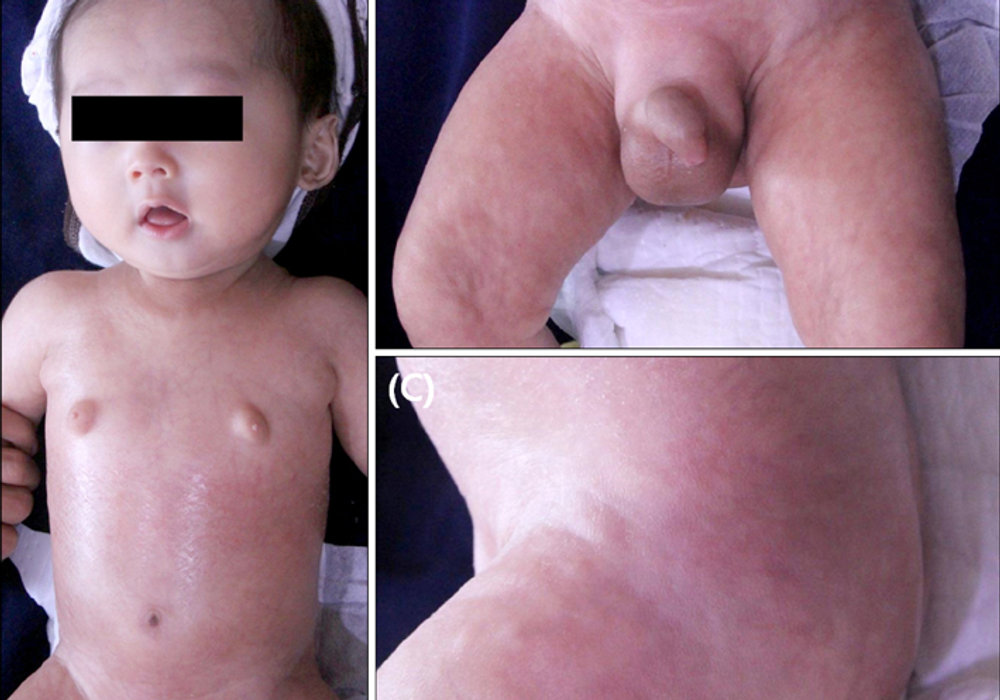
Osteopetrosis, often referred to as "marble bone disease," is a rare genetic disorder characterized by abnormally dense bones due to defective bone resorption. This condition disrupts the delicate balance of bone remodeling, leading to brittle bones, skeletal abnormalities, and a range of complications. In this blog post, we’ll dive into the causes, symptoms, diagnosis, and treatment options for Osteopetrosis, aiming to raise awareness about this underrecognized condition.

What is Osteopetrosis?
Osteopetrosis encompasses a group of rare, inherited disorders that affect the function of osteoclasts, the cells responsible for breaking down and resorbing bone tissue. When osteoclasts fail to function properly, bones become overly dense but paradoxically fragile, as they lack the flexibility of healthy bone. This can lead to frequent fractures, deformities, and other systemic complications.
The condition varies in severity, ranging from mild forms discovered incidentally to severe forms that can be life-threatening, particularly in infants. Osteopetrosis is broadly classified into three types based on age of onset and severity:
- Autosomal Recessive Osteopetrosis (ARO): Also known as infantile or malignant Osteopetrosis, this severe form typically presents in infancy and can lead to life-threatening complications if untreated.
- Autosomal Dominant Osteopetrosis (ADO): Known as adult-onset Osteopetrosis, this milder form often presents in adolescence or adulthood with fewer complications.
- Intermediate Osteopetrosis: A less common form with variable severity, typically appearing in childhood.
Causes and Genetics
Osteopetrosis is primarily caused by mutations in genes that regulate osteoclast function. These mutations disrupt the bone remodeling process, leading to abnormal bone accumulation. Common genes associated with Osteopetrosis include:
- TCIRG1: Linked to severe ARO, affecting the proton pump in osteoclasts.
- CLCN7: Associated with both ARO and ADO, impacting chloride channels in osteoclasts.
- OSTM1: Involved in severe ARO, affecting osteoclast maturation.
The inheritance pattern depends on the type: ARO is inherited in an autosomal recessive manner (requiring two mutated gene copies), while ADO follows an autosomal dominant pattern (requiring only one mutated gene copy).
Symptoms of Osteopetrosis
The symptoms of Osteopetrosis vary depending on the type and severity but may include:
- Frequent Fractures: Dense bones are brittle and prone to breaking.
- Skeletal Deformities: Abnormal bone growth can lead to misshapen bones or short stature.
- Bone Marrow Failure: Crowding of bone marrow spaces can cause anemia, frequent infections, or bleeding tendencies.
- Neurological Complications: Compression of cranial nerves may result in vision or hearing loss.
- Dental Issues: Delayed tooth eruption or dental abnormalities are common.
- Growth Delays: Particularly in severe forms affecting children.
In severe infantile forms, symptoms may also include failure to thrive, hydrocephalus, or severe infections due to impaired immune function.
Diagnosis
Diagnosing Osteopetrosis typically involves a combination of clinical evaluation, imaging, and genetic testing:
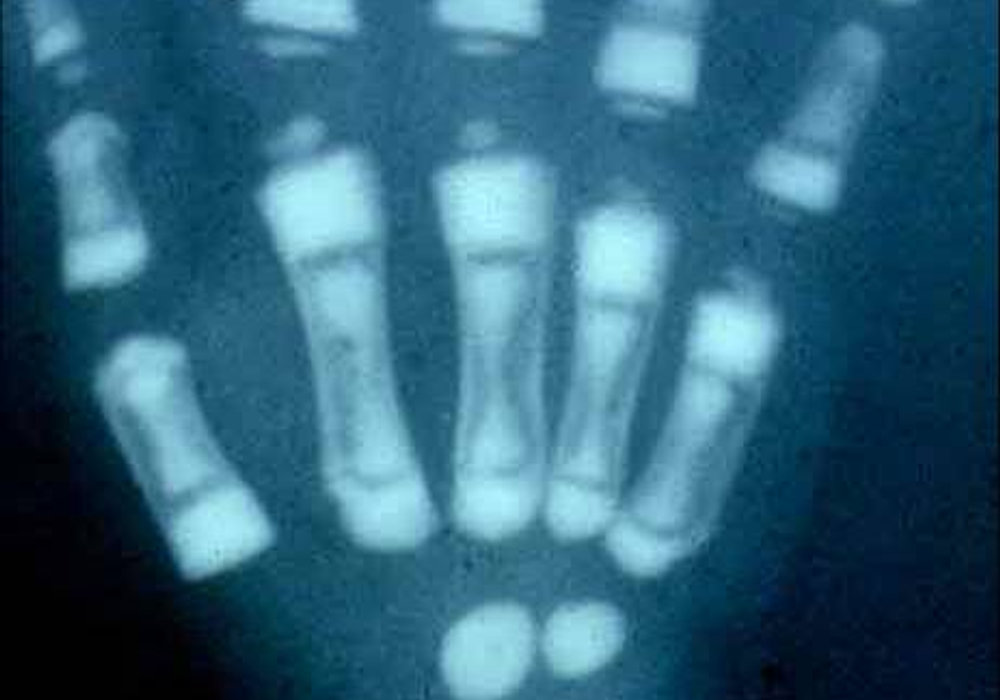
- X-rays: Reveal characteristic bone density and structural abnormalities, such as a "bone-within-bone" appearance.
- Bone Density Scans: Confirm increased bone mass.
- Genetic Testing: Identifies specific gene mutations to confirm the diagnosis and type.
- Blood Tests: Assess for anemia, low white blood cell counts, or other markers of bone marrow dysfunction.
- Clinical History: Evaluates symptoms, family history, and age of onset.
Early diagnosis is crucial, especially for severe forms, to initiate timely treatment and prevent complications.
Treatment Options
While there is no cure for Osteopetrosis, treatment focuses on managing symptoms and improving quality of life. Options include:
- Bone Marrow Transplantation (BMT): For severe ARO, BMT can replace defective osteoclasts with healthy ones, potentially curing the bone-related aspects of the disease. It carries significant risks and is typically reserved for severe cases.
- Medications:
- Calcitriol: Stimulates osteoclast activity in some cases.
- Interferon Gamma-1b: May improve immune function and bone resorption in certain patients.
- Bisphosphonates: Used in some cases to manage bone pain or fractures, though their use is controversial.
- Supportive Care: Includes physical therapy, orthopedic interventions for fractures, and dental care for tooth abnormalities.
- Management of Complications: Regular monitoring for vision, hearing, or neurological issues, along with blood transfusions for anemia.
Living with Osteopetrosis
Living with Osteopetrosis can be challenging, particularly for those with severe forms. Patients may require multidisciplinary care involving orthopedic surgeons, hematologists, neurologists, and other specialists. Support groups and patient advocacy organizations can provide valuable resources and emotional support for individuals and families affected by this rare disease.
Raising Awareness
Osteopetrosis is a rare condition, and increased awareness is essential for early diagnosis and improved outcomes. By sharing knowledge about its symptoms, genetic basis, and treatment options, we can support affected individuals and drive research toward better therapies.
If you or someone you know is affected by Osteopetrosis, consider connecting with rare disease communities or consulting a geneticist for personalized guidance. Together, we can advocate for better understanding and management of this complex condition.
Clinical Trials and Studies
There are ongoing studies on the use of gene therapy, especially in patients who would not benefit from hematopoietic stem cell transplant or who have no matched donor, but they remain experimental. Researchers are investigating the use of interferon gamma-1b for non-infantile osteopetrosis and it has been reported to improve immune function and increase bone resorption.
Information on current clinical trials is posted on the Internet at www.clinicaltrials.gov. All studies receiving U.S. Government funding, and some supported by private industry, are posted on this government web site.
Some current clinical trials also are posted on the following page on the NORD website:https://rarediseases.org/for-patients-and-families/information-resources/news-patient-recruitment/
For information about clinical trials sponsored by private sources, contact:www.centerwatch.com
For information about clinical trials conducted in Europe, contact:https://www.clinicaltrialsregister.eu/
Disclaimer: This blog post is for informational purposes only and should not replace professional medical advice. Consult a healthcare provider for diagnosis and treatment options.