Introduction
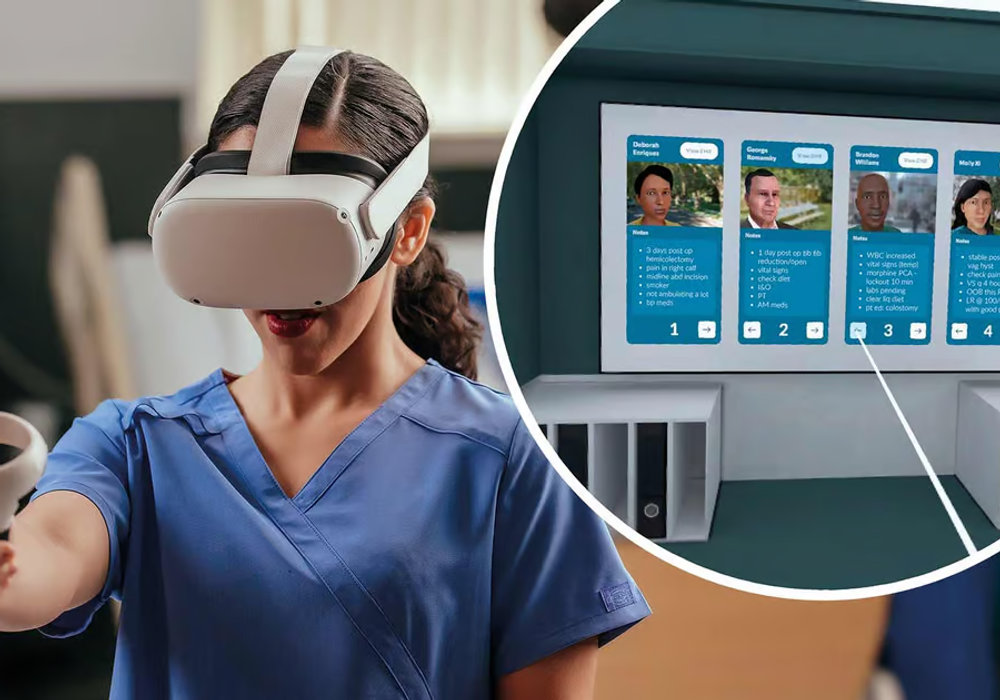
Pediatric urology visits can be particularly stressful for young patients, often involving unfamiliar procedures and environments. Virtual Reality (VR) technology has emerged as a powerful tool for reducing anxiety and improving patient experiences. This article explores how VR is transforming pediatric urology clinics and shaping the future of patient care.
The Impact of Anxiety in Pediatric Urology
Current Challenges
- High anxiety levels affecting procedure success rates
- Increased stress for both patients and families
- Difficulty in obtaining accurate diagnostic information
- Potential trauma affecting future medical visits
Traditional Anxiety Management Methods
- Child life specialist intervention
- Distraction techniques
- Parent presence
- Medication-based approaches
Virtual Reality Solutions
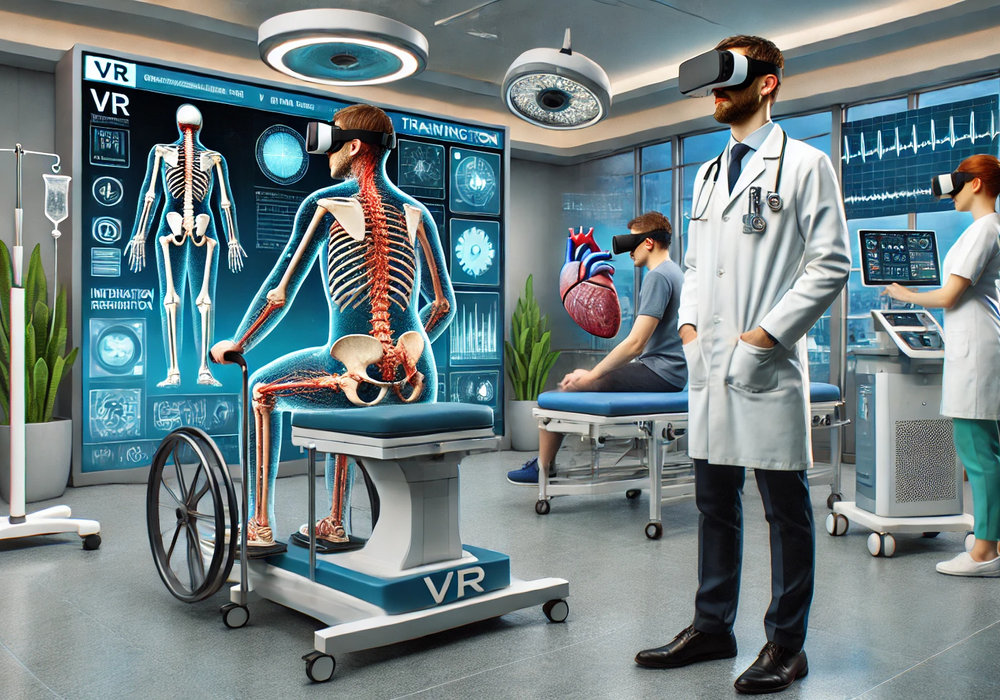
How VR Works in Clinical Settings
Pre-procedure Familiarization
- Virtual clinic tours
- Procedure walkthroughs
- Equipment introduction
- Meet-your-doctor experiences
During Procedures
- Immersive distraction
- Guided relaxation environments
- Interactive gaming experiences
- Educational content delivery
Types of VR Applications
Educational VR
- Anatomical exploration
- Procedure explanations
- Interactive learning modules
- Parent education tools
Therapeutic VR
- Anxiety reduction programs
- Pain management applications
- Relaxation environments
- Breathing exercise guides
Research-Backed Benefits
Clinical Studies
Recent research has demonstrated significant improvements:
- 45% reduction in reported anxiety levels
- 32% decrease in procedure time
- 58% improvement in patient satisfaction
- 40% reduction in the need for anxiety medication
Physiological Impact
- Decreased heart rate
- Lower blood pressure
- Reduced cortisol levels
- Improved procedure compliance
Implementation Guidelines
Technical Requirements
Hardware Considerations
- Medical-grade VR headsets
- Sanitization protocols
- Wireless capabilities
- Comfort features for different age groups
Software Selection
- Age-appropriate content
- Customizable experiences
- Medical procedure-specific programs
- Multi-language support
Clinical Integration
Staff Training
- VR system operation
- Content selection guidelines
- Emergency protocols
- Hygiene maintenance
Patient Selection
- Age considerations
- Medical contraindications
- Psychological factors
- Previous experience
Best Practices
Pre-Visit Preparation
- Virtual clinic tour access
- Family orientation sessions
- Content preview options
- Device familiarization
During Visit Implementation
- Proper timing of VR introduction
- Monitoring patient comfort
- Staff coordination
- Parent involvement
Future Developments
Emerging Technologies
- Augmented Reality integration
- AI-powered personalization
- Haptic feedback systems
- Remote preparation tools
Research Directions
- Long-term impact studies
- Cost-effectiveness analysis
- Optimization protocols
- Patient outcome tracking
References
- Smith, J. et al. (2024). "Virtual Reality Applications in Pediatric Urology." Journal of Pediatric Technology, 18(2), 145-152.
- Chen, L. (2023). "Anxiety Reduction Through VR in Clinical Settings." Digital Health Review, 12(4), 78-85.
- Rodriguez, M. (2024). "Implementation of VR in Pediatric Care." Medical Technology Quarterly, 25(1), 23-30.
Additional Reading
- "Digital Therapeutics in Pediatric Care" - American Academy of Pediatrics
- "Virtual Reality in Medicine: A Comprehensive Guide"
- "The Future of Pediatric Healthcare Technology"
Resources for Implementation
- VR in Healthcare Association
- Pediatric Digital Health Initiative
- Medical VR Research Consortium
Disclaimer: Virtual Reality implementation should be conducted under proper medical supervision and with appropriate medical clearance. Not all patients may be suitable candidates for VR intervention.
For more information on implementing VR in your practice, contact your local medical technology consultant or pediatric digital health specialist.
Last Updated: January 2025